
Eggs became a regular occasional addition to both Bruno and Mishi’s meals after our vet mentioned them as a good, accessible protein source — something I genuinely hadn’t considered before, assuming eggs were more of a “human food” that probably wasn’t relevant for dogs. They’ve turned out to be one of the easiest, most practical additions we’ve made.
(Worth noting upfront: I’m an experienced dog owner, not a veterinarian. This reflects general guidance — if your dog has specific health conditions or dietary restrictions, check with your vet before adding eggs regularly to their diet.)
Are Eggs Actually Good for Dogs?

Yes, eggs are widely considered a nutritious addition to a dog’s diet in moderation. They’re a complete protein source, meaning they contain all the essential amino acids a dog needs, along with vitamins and minerals including vitamin A, B vitamins, iron, and selenium.
Cooked vs. Raw Eggs

Cooked eggs are the generally recommended, safer choice. Cooking eliminates the risk of bacterial contamination (like salmonella) that raw eggs can carry, similar to the food safety considerations for humans.
Raw eggs carry some additional considerations beyond bacterial risk. Raw egg whites contain a protein called avidin, which can interfere with biotin absorption if fed in significant quantities over time — though this is generally only a concern with regular, ongoing raw egg consumption rather than occasional servings. Raw egg yolks don’t carry this same concern, but the bacterial contamination risk still applies to raw eggs overall.
Given these combined considerations, fully cooked eggs (without added butter, oil, salt, or seasoning) are the approach most commonly recommended, and what we’ve used consistently with both our dogs.
How to Prepare Eggs for Your Dog

Scrambled, plain. Cook in a pan with no added butter, oil, salt, pepper, or other seasoning — just the egg itself, cooked thoroughly.
Hard-boiled. Boil until fully cooked, then chop or mash before serving. This is one of the simplest, most portable preparation methods.
Soft-boiled or poached are also fine, as long as the egg is fully cooked through rather than runny, to minimize any bacterial contamination risk.
Avoid: any preparation involving butter, oil, cheese, salt, pepper, onion, garlic, or other seasonings and additions common in how humans typically prepare eggs for themselves.
How Much Egg Is Appropriate

Eggs should be treated as an occasional addition or treat, not a daily significant portion of the diet, given their calorie and fat content relative to a dog’s overall nutritional needs.
General guidance:
⦁ Small dogs: a small portion of one egg, a few times a week
⦁ Medium to large dogs: up to one whole egg, a few times a week
This isn’t a precise prescription — the key principle is moderation, treating eggs as a beneficial addition rather than a dietary staple replacing balanced, complete dog food.
From my experience: We typically add a portion of scrambled or hard-boiled egg to Bruno and Mishi’s regular food a couple of times a week, more as an enjoyable addition than a dietary necessity. Both genuinely seem to look forward to “egg days,” which has made it a nice, low-effort way to add some variety to their routine.
Eggshells: Are They Safe?

This comes up surprisingly often. Eggshells are a source of calcium, and some homemade diet approaches incorporate finely ground eggshell as a calcium supplement. However, this requires proper grinding into a fine powder — whole or roughly crushed eggshell pieces pose a choking and digestive irritation risk, and aren’t something to casually toss into a dog’s bowl without proper preparation. If you’re interested in eggshell as a calcium source, this is worth discussing specifically with a veterinary nutritionist rather than improvising.
Egg Allergies in Dogs
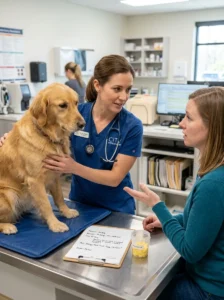
While less common than some other food sensitivities, dogs can be allergic to eggs, similar to other protein sources. If you’re introducing eggs for the first time, start with a small amount and watch for signs of an adverse reaction — itching, digestive upset, or other symptoms covered in our dog allergies guide.
Eggs and Dogs With Pancreatitis or Fat Sensitivity
Egg yolks specifically contain a meaningful amount of fat, which is worth being mindful of for dogs with a history of pancreatitis or known fat sensitivity. For these dogs, egg whites alone (which are much lower in fat) may be a more appropriate option, though this should be discussed with your vet given the individual nature of these health considerations.
Using Eggs During Recovery From Illness

Plain, fully cooked eggs are sometimes included in bland diet recommendations for dogs recovering from digestive upset, alongside the more commonly mentioned chicken and rice, given their digestibility and nutritional value. If your vet has recommended a bland diet, it’s worth asking whether eggs could be incorporated as an option, particularly if your dog seems to enjoy them.
The Specific Nutrients Eggs Provide and Why They Matter

Beyond the general “complete protein” description, it’s worth understanding specifically what eggs contribute nutritionally, since this helps clarify why they’re considered a genuinely beneficial addition rather than just a neutral treat. Vitamin A supports vision, immune function, and skin health. B vitamins, including riboflavin and B12, support energy metabolism and nervous system function. Selenium acts as an antioxidant, supporting immune health. Iron supports healthy blood function. This nutritional profile is part of why eggs are sometimes specifically recommended as an addition for dogs needing extra nutritional support, such as during recovery from illness, though this should still be guided by your vet’s specific recommendations for your dog’s situation rather than assumed universally beneficial regardless of context.
Eggs as Part of a Balanced Diet, Not a Substitute for One

I want to reiterate something covered earlier but worth emphasizing again: as nutritious as eggs are, they’re not a complete diet on their own, and shouldn’t be thought of as something that could replace your dog’s regular, balanced food even temporarily without good reason. Eggs lack certain nutrients and the overall balanced profile that a complete dog food provides, meaning their value lies specifically in being a beneficial addition or occasional treat within an otherwise complete diet, not a standalone nutritional solution.
Different Egg Types: Does the Source Matter?

Owners sometimes ask whether specific egg types — free-range, organic, or specific bird species like duck or quail eggs — offer meaningfully different benefits for dogs. Generally, the basic nutritional profile remains broadly similar across egg sourcing methods, though some owners prefer specific sourcing for ethical or quality reasons unrelated to the core nutritional question. Quail eggs, smaller and sometimes used for variety, follow the same general safety guidelines (fully cooked, plain) as chicken eggs, just in smaller individual portions given their size. Duck eggs are generally fine too, though slightly richer than chicken eggs, meaning portion size should be adjusted accordingly given the size difference between the two.
How We Incorporate Egg Days Into Our Routine

Rather than giving eggs at the exact same frequency every week, we’ve settled into a loose pattern of including them a couple of times weekly, generally on days when we’re already preparing other fresh food additions, which makes the extra step of cooking an egg feel like a natural part of an existing routine rather than an additional separate task. This kind of habit-stacking — attaching a new beneficial practice to something already happening — has made consistency much easier than trying to remember egg days as a completely standalone commitment on our calendar.
Eggs and Coat Health: What the Evidence Actually Supports

You’ll sometimes see eggs specifically promoted for coat shine and skin health, and there’s some genuine basis for this claim, primarily related to the biotin and fatty acid content present in eggs, particularly the yolk. That said, it’s worth maintaining realistic expectations — a dog with an already nutritionally complete diet is unlikely to see dramatic, visible coat changes purely from adding eggs, since they’re probably not deficient in these nutrients to begin with. Eggs are more likely to provide a modest supportive benefit alongside an already good diet, rather than being a transformative addition on their own, which is a useful, more measured way to think about many “superfood” style claims that circulate around specific dog food additions.
What to Do If Your Dog Doesn’t Like Eggs

Not every dog takes to eggs immediately, and that’s worth normalizing rather than assuming something is wrong if your dog shows initial disinterest. We found that mixing a small amount of scrambled egg directly into Bruno’s regular food, rather than offering it as a standalone item at first, helped him warm up to the new addition gradually. If your dog continues showing no interest even after a few gentle attempts, it’s perfectly fine to simply not incorporate eggs — they’re a beneficial option, not a necessary one, and plenty of other safe foods covered throughout our guides can provide similar variety and nutritional benefit if eggs specifically aren’t a hit with your particular dog.
Eggs in Commercial Dog Food

It’s worth noting that eggs already appear as an ingredient in many commercial dog foods, meaning your dog may already be getting some egg-derived nutrition even without any additional fresh eggs you provide directly. This isn’t a reason to avoid adding fresh eggs if you want to, but it’s useful context for understanding that eggs aren’t an entirely novel addition to canine nutrition broadly — they’re already a recognized, valuable ingredient within the pet food industry, which adds some additional confidence to their general safety and nutritional value as a fresh addition too.
Quick Reference

On the question of Can puppies eat eggs?: Generally yes, in appropriately smaller portions given their size, assuming the eggs are fully cooked and your puppy doesn’t show signs of any food sensitivity. On the question of Are eggs a complete meal replacement for dog food?: No — while nutritious, eggs alone don’t provide the complete, balanced nutrition a dog needs from their primary diet. They’re best used as an occasional addition or treat, not a meal replacement. On the question of Is it safe to give my dog eggs every single day?: Occasional, moderate egg consumption (a few times a week) is generally considered safe for most healthy dogs, but daily eggs, particularly whole eggs with yolks, may contribute more fat and calories than ideal for some dogs — moderation remains the key principle. On the question of Can dogs eat egg whites only, without the yolk?: Yes, and this can be a reasonable option for dogs needing a lower-fat option, since the yolk contains most of the fat content, though the yolk also contains many of the beneficial vitamins and minerals.
Adding eggs to Bruno and Mishi’s routine turned out to be one of the simplest, most practical dietary additions we’ve made — nutritious, easy to prepare, and something both dogs genuinely enjoy. If you haven’t considered eggs before, they’re worth discussing with your vet as a potential occasional addition to your own dog’s diet.
For more on safe and beneficial foods, our guides on the complete safe and unsafe foods list and homemade dog food recipes are worth reading next.