
Here’s a myth I believed for years: a service dog has to wear a vest by law. In the US, that’s not the case. Under the ADA, a service dog doesn’t need a vest, a badge, or a certificate. Handlers often choose a service dog vest anyway, because it cuts down on questions and helps people know the dog is working. I’m not a handler myself, but I’ve talked with a few, and their advice shaped everything below. Here are eight vest ideas that balance comfort, practicality, and a little style.
Why the Vest Matters (And What It Isn’t)
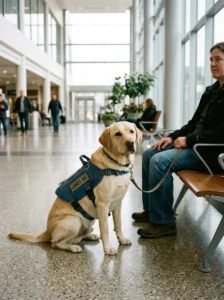
A good vest is a tool. It carries patches, pockets, and sometimes a handle. It can tell strangers “please don’t pet me, I’m working,” and many handlers find that helpful in busy places.
But a vest doesn’t make a dog a service dog. Service dogs are trained to do specific tasks for a person with a disability. Putting a vest on a pet to get into shops or onto planes is misrepresentation, it makes life harder for real teams, and in some places it’s against the law. If you love your pet and want outings together, look into well-behaved dog-friendly venues instead. This guide is for handlers, trainers, and people shopping for a working dog’s gear.
Requirements vary by country and region, so check your local rules.
8 Service Dog Vest Ideas
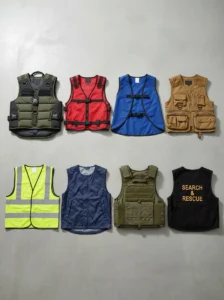
1. The Classic Padded Vest. Soft lining, adjustable straps, and a handle on top. A solid all-rounder for daily wear.
2. The Lightweight Mesh Vest. Breathable fabric for hot days and long outings. Great for dogs who overheat easily.
3. The Cape-Style Vest. A flowing, lighter piece that drapes over the back rather than wrapping the chest. Some dogs find it less restrictive.
4. The Pocket Vest. Built-in side pockets for a phone, treats, or documents. Keep the weight balanced, and never overload it.
5. The Reflective Night Vest. Reflective trim for dark evenings and busy roads. Safety first, style second, though the best ones manage both.
6. The Raincoat Vest. Waterproof, with a hood or flap. Pack a towel too, since a damp dog gets cold.
7. The Patch-Ready Vest. Plenty of hook-and-loop space for patches like “Service Dog,” “Do Not Pet,” or “In Training.” Swap them as needs change.
8. The Personalized Embroidered Vest. The dog’s name and a contact number, stitched in. Handy if you’re ever separated.
The Tip That Surprised Me
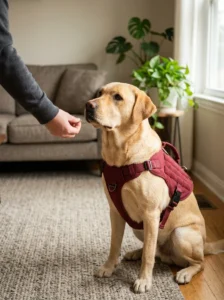
Test the vest at home first. A handler I know told me she’d bought a lovely vest and found at the first outing that the strap rubbed behind the front legs. Now she wears it around the house for a week before a big day.
Picture a long, busy shopping trip, a dog who’s slightly uncomfortable all afternoon, and a handler who can’t work out why her partner seems off. Short practice sessions with treats and calm praise help the dog accept the vest as part of the routine. And if a dog’s behavior changes suddenly, ask your vet. It might not be the vest.
Fit, Comfort, and Safety Checks
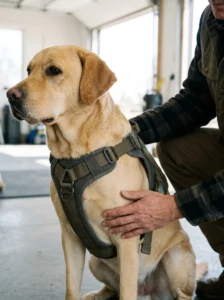
Measure your dog’s chest and neck, then follow the brand’s size chart. Two fingers should slide under every strap. Check behind the front legs for rubbing, and look for redness or hair loss after long wear.
Choose breathable fabric for warm weather, and give working dogs regular breaks, water, and shade. A vest shouldn’t restrict breathing, stride, or vision. Look for sturdy stitching, quality buckles, and a handle that’s firmly attached. Wash the vest regularly, because mud and drool build up fast.
Remove it when the dog’s off duty. Rest time matters.
A Real Example From a Handler Friend
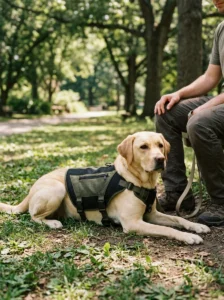
Priya, a friend of a friend, handles a Labrador named Juno. Her first vest was heavy and hot, and by midday Juno was panting. She swapped to a lightweight mesh style with a padded chest strap and added a small pocket for treats. “The right vest isn’t flashy,” she told me. “It just disappears, so Juno can focus.”
Mistakes and Warnings
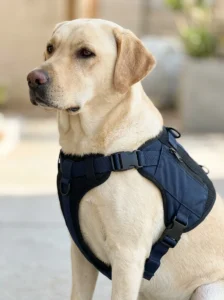
Don’t overload the pockets. A heavy vest can strain a dog’s back.
Skip loose straps and dangling bits. They can snag.
Don’t use a vest to cover up a dog who isn’t trained or isn’t suited to public work. If a dog shows stress, such as panting heavily, yawning repeatedly, or trying to hide, it’s time to pause.
Avoid cheap, scratchy materials. If you see redness, hair loss, or limping, stop using the vest and ask your vet.
And never buy a vest to pass a pet off as a service animal.
Quick Questions
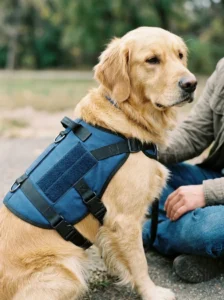
Does a service dog have to wear a vest?
In the US, not under the ADA. Rules differ elsewhere, so check your local laws.
Can a vest help with training?
Many trainers find it’s a useful cue that tells the dog “work mode” has started. Introduce it gradually, with treats.
What color is best?
Whatever suits you. Bright colors can help people spot the dog, while neutral shades blend in.
Ready to Choose a Service Dog Vest?
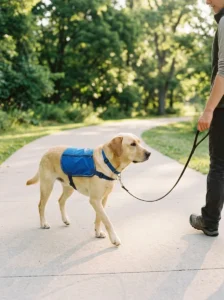
You don’t need all eight. Pick one that fits your dog’s size, coat, and workload, and test it at home first. A good service dog vest should be comfortable, practical, and honest about what it’s for. Start with the basics, then add patches and pockets as you need them.
Want a snack for your hard-working partner? Have a look at my post on easy homemade dog treats. And tell me: what’s the one feature you’d never compromise on in a working dog’s gear?