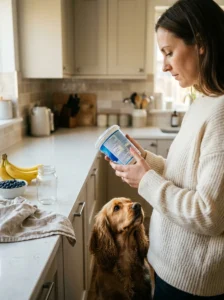
Here’s a fact that surprised me: a spoonful of yogurt from the shop doesn’t automatically count as a probiotic. Plenty are heat-treated, sweetened, or flavored, and some contain xylitol, which is toxic to dogs. So when I started looking into homemade probiotics for dogs, I had to unlearn a few things. Here’s what I found, seven simple ideas, and the safety rules I follow.
Why Labels Matter More Than the Spoon
Quick vocabulary. Probiotics are live bacteria. Prebiotics are the fibers that feed them. Some dogs seem to do well when these foods are part of meals. But research in dogs is still limited, and no food can cure or prevent any condition. Think of them as tasty extras, not medicine.
Here’s the catch with homemade. You can’t know exactly which bacteria are in a jar of yogurt, or how many. If your dog has ongoing tummy trouble, see your vet. They may suggest a supplement made for dogs, with defined strains.
Ground rules before you start:
Ask your vet first, especially if your dog has a sensitive stomach, allergies, a history of pancreatitis, or takes medication. Dairy upsets some dogs. Start with a tiny amount and wait a day. Keep portions small, since extras should stay a small part of your dog’s daily food.
7 Homemade Probiotics for Dogs Recipes

1. Plain Yogurt Topper. Choose plain, unsweetened yogurt with “live and active cultures” on the label. Check for xylitol. Spoon a small amount over dinner. Easiest option on the list.
2. Kefir Drizzle. Plain, unsweetened kefir is thinner and has more varied cultures. A teaspoon for small dogs, a little more for big ones, over regular food. Not flavored. Never.
3. Frozen Yogurt Drops. Dollop plain yogurt onto parchment in tiny spoonfuls and freeze. They keep for weeks and double as training treats.
4. Pumpkin Yogurt Cubes. Stir plain pumpkin puree (not pie filling) into plain yogurt, then freeze in an ice cube tray. Pumpkin’s fiber is a prebiotic, so this pairs nicely.
5. Kefir Blueberry Pupsicles. Mash a few blueberries into plain kefir and freeze. Messy, purple, and popular on hot days.
6. Oat and Banana Prebiotic Bowl. Cook a spoonful of plain oats, cool it, and mash in a few slices of banana. No sugar, no milk. This one feeds gut bacteria rather than adding any. Serve a spoonful over meals.
7. Rinsed Plain Sauerkraut. Only with your vet’s okay. Use unseasoned sauerkraut with no onion, garlic, or spices. Rinse it well to cut the salt, chop it tiny, and serve a pinch. Some dogs love it. Many don’t, and it’s salty, so it’s strictly occasional.
The Tip That Surprised Me
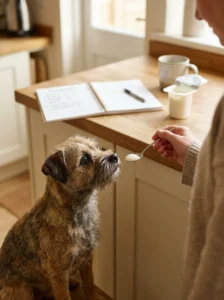
Here’s one I wish I’d known earlier. Go slow, then slower. Probiotic foods can cause gas or loose stools in the first few days, even when they suit your dog long term. Introduce one new food at a time, keep portions tiny, and give it about a week before judging.
Picture the mistake I made. I added kefir, pumpkin, and oats all in one weekend. My terrier’s tummy gurgled all night, and I had no idea which one was the culprit. Change one thing at a time. A quick note on your phone helps you track it.
A Real Example From My Friend Dana
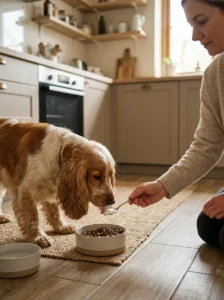
Dana’s spaniel, Hugo, had a sensitive stomach every time she changed his food. After a chat with her vet, they tried a teaspoon of plain yogurt on his dinner. He loved it, and his stools seemed steadier over a couple of weeks. Her vet said that’s not proof of anything, but fine to continue in small amounts.
Months later, Hugo got a bout of diarrhea. Dana didn’t reach for the yogurt tub. She rang her vet, who wanted to see him. That’s the right order of operations.
Mistakes and Warnings Worth Knowing
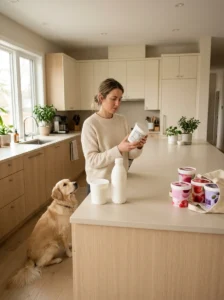
Using sweetened or flavored products. Check every label for xylitol and added sugar.
Feeding too much. Dairy is rich, and some dogs are lactose-sensitive.
Skipping storage rules. Keep yogurt and kefir in the fridge and use them by the date on the pack. Frozen drops last a few weeks in a sealed container. If something smells off, bin it.
Trying risky ferments at home. Homemade fermenting can go wrong, and some recipes use onion, garlic, or lots of salt. Skip DIY ferments unless your vet is on board.
Ignoring symptoms. Vomiting, bloody stools, lethargy, or diarrhea that lasts more than a day? Call your vet straight away.
Quick Questions

Can puppies have yogurt?
Many can, in tiny amounts, but young tummies are sensitive. Ask your vet first.
Is Greek yogurt okay?
Plain, unsweetened Greek yogurt is thicker and lower in lactose for some dogs, but the same label rules apply.
Do I still need a dog-specific probiotic?
That’s a vet question. Supplements are made for dogs and list strains and amounts, which kitchen foods can’t.
Ready to Try Homemade Probiotics for Dogs?

You don’t need all seven. Pick one, maybe the plain yogurt topper or the pumpkin cubes, and start with a tiny spoonful. Homemade probiotics for dogs work best when they’re simple, plain, and vet-approved. Keep the portions small and watch your pup.
Want an easy treat to try next? Have a look at my post on three-ingredient pumpkin dog biscuits. And tell me: does your dog go wild for yogurt, or turn their nose up?