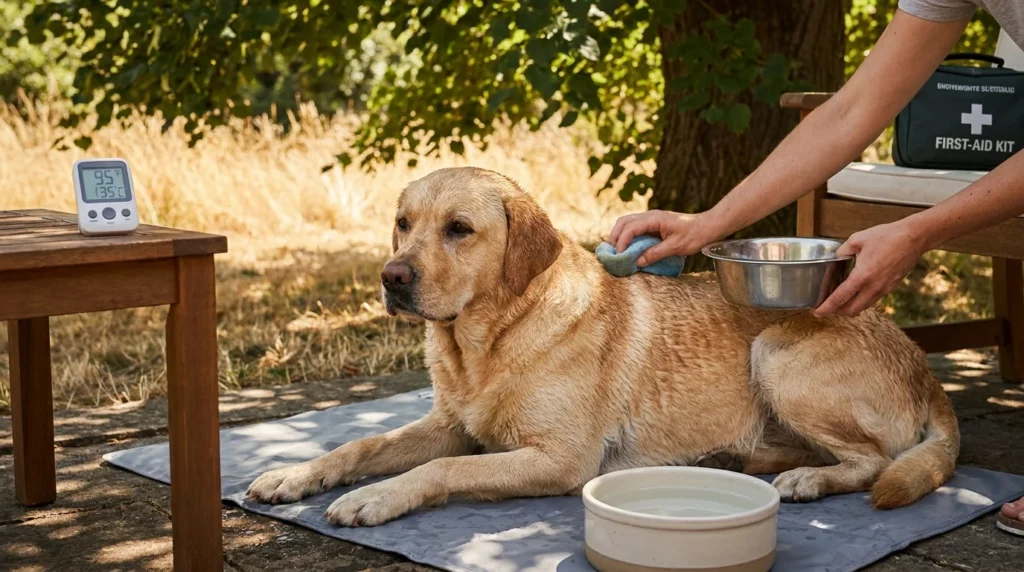
Vaccines work by introducing a small, harmless piece of (or weakened version of) a virus or bacteria to a dog’s immune system. The immune system responds by building antibodies — essentially a memory of how to fight that specific threat — so if the dog is ever exposed to the real disease later, their body recognizes it and responds far faster than it would have without that early “preview.” Understanding this mechanism is genuinely the key to understanding why the schedule itself looks the way it does.
Puppies are born with some immunity passed from their mother, but it fades on its own timeline — usually somewhere between 6 and 16 weeks, though the exact week varies for every puppy. While that maternal immunity is still present, it can actually neutralize a vaccine the same way it would neutralize a real infection, meaning a single shot given too early might do nothing at all. Since nobody can predict exactly when a specific puppy’s maternal antibodies will fade, vets vaccinate repeatedly through this window instead of gambling on one shot landing at the right moment.
I didn’t grasp any of this with Bruno until our vet explained it during one of his early appointments — I’d been sitting in the clinic parking lot beforehand, genuinely confused about why he needed three rounds of what looked like the same shot before he even turned four months old. Nobody had walked me through the “why” first, so the calendar alone just felt arbitrary.
Core Vaccines: The Non-Negotiables

Every dog, regardless of lifestyle, location, or how much time they spend outdoors, should get what vets call “core vaccines.” These protect against diseases that are widespread, highly contagious, and often deadly.
Canine Parvovirus (Parvo) — This is the one that scares most new owners, and for good reason. It attacks a puppy’s intestinal lining and immune system, and without prompt treatment, it’s frequently fatal in young dogs. It spreads easily through contaminated environments, which is part of why vets tell you to avoid dog parks and high-traffic pet areas until your puppy’s series is complete.
Canine Distemper — A virus that affects the respiratory, gastrointestinal, and nervous systems. It used to be one of the leading causes of death in unvaccinated puppies, and while it’s less common now thanks to widespread vaccination, it hasn’t disappeared.
Canine Adenovirus (Hepatitis) — Protects against a virus that attacks the liver and other organs. It’s usually bundled into the same combination shot as parvo and distemper, often labeled “DHPP” or similar on your vet’s paperwork.
Rabies — Required by law in most places, and for good reason — it’s fatal and transmissible to humans. Your vet will be able to tell you the legal requirements in your area, since timing and renewal rules vary by location.
Non-Core Vaccines: Based on Lifestyle and Risk
These aren’t automatically given to every dog — your vet will recommend them based on where you live, how your dog spends time, and what risks are common in your area.
⦁ Bordetella (Kennel Cough) — Often required if you plan to board your dog, take them to daycare, or bring them to grooming appointments where they’ll be around lots of other dogs.
⦁ Leptospirosis — Relevant if your dog spends time around standing water, wildlife, or areas where rodents are common.
⦁ Canine Influenza — Recommended in areas with known outbreaks or if your dog is frequently around large groups of other dogs.
⦁ Lyme Disease — Relevant in regions with high tick populations.
When I asked our vet whether Bruno needed all of these, she walked through his actual daily life with me — where we walked, whether he went to daycare, what the neighborhood was like — before deciding what made sense. That conversation is worth having with your own vet rather than assuming every dog needs every shot.
(I’m not a veterinarian myself — just a longtime owner who’s been through this with two dogs and talked it through with several vets along the way. Treat the schedule below as a general framework, not a substitute for what your own vet recommends for your specific dog’s breed, location, and health history.)
Puppy Vaccination Schedule (6 to 16 Weeks)

This is the stage where most of the heavy lifting happens. A typical schedule looks something like this, though your vet may adjust timing based on your puppy’s specific situation:
⦁ 6–8 weeks: First round of DHPP (distemper, hepatitis, parvo, parainfluenza)
⦁ 10–12 weeks: Second round of DHPP, plus Bordetella if recommended
⦁ 14–16 weeks: Third round of DHPP, plus rabies (timing for rabies varies by location)
⦁ Non-core vaccines (leptospirosis, Lyme, canine influenza) are typically introduced during this window if your vet recommends them based on lifestyle risk
I kept a simple note on my phone tracking each of Bruno’s appointments — date, which vaccine, and any reaction he had afterward. It sounds like overkill, but it made it so much easier to answer questions at later vet visits, and it meant I never lost track of when the next round was due.
Adult Dog Vaccination Schedule
Once your dog finishes the puppy series, the schedule slows down considerably. Most core vaccines are boosted one year after the puppy series finishes, and then typically every one to three years after that, depending on the specific vaccine and your vet’s protocol.
This is also the stage where it’s easy to get complacent. With Bruno, once he hit his first birthday and got his one-year booster, I genuinely thought we were “done” for a while. It wasn’t until our next annual visit that our vet reminded me that boosters are still part of ongoing care, not a one-time box to check.
A general adult schedule looks like:
⦁ 1-year booster: Repeat of core vaccines roughly 12 months after the puppy series
⦁ Every 1–3 years after that: Booster frequency depends on the specific vaccine and your vet’s recommendation — some core vaccines are now approved for three-year intervals
⦁ Annual or as-needed: Non-core vaccines like Bordetella or canine influenza, especially if your dog regularly boards, attends daycare, or travels
Titer Testing: An Alternative Some Owners Ask About

Once Bruno was a few years into his adult booster schedule, I started hearing about titer testing from other dog owners — a blood test that measures existing antibody levels for certain diseases, sometimes used as an alternative to automatically re-vaccinating on a fixed schedule.
I brought this up with our vet, and her take was balanced: titer testing can be a reasonable option for some core vaccines in some situations, but it has real limitations. It’s not available or validated for every vaccine, it doesn’t always perfectly predict actual protection, and it usually costs more than simply administering the booster. For rabies specifically, many local laws require vaccination on a set schedule regardless of titer results, since it’s a public health requirement, not just an individual health decision.
If you’re curious about titer testing as an alternative to routine boosters, it’s worth a direct conversation with your vet about whether it makes sense for your specific dog, rather than assuming it’s automatically the “better” or “more natural” option, since the tradeoffs are genuinely more nuanced than that framing suggests.
Senior Dog Vaccinations: What Changes
With Mishi, our older dog, vaccination conversations shifted as she got into her senior years. Our vet didn’t simply stop vaccinating her — but she did factor in Mishi’s overall health, any existing conditions, and her actual lifestyle (much less time around other dogs than she used to have) when deciding what made sense going forward.
This is a conversation worth having directly with your vet rather than assuming senior dogs need either “everything” or “nothing.” Some senior dogs with health complications may have modified vaccine schedules, while otherwise healthy seniors often continue standard boosters.
What Happens in the Body After a Vaccine Appointment

It’s normal for dogs to seem a little “off” for a day or so after vaccines — mild lethargy, slight tenderness at the injection site, or reduced appetite. This is simply the immune system actively responding, building those antibodies covered earlier, not a sign anything went wrong. Bruno slept more than usual after his puppy shots, which worried me the first time until our vet explained it was a completely normal part of the process.
I’ve since learned to schedule vaccine appointments on days when I can keep a closer eye on him afterward rather than rushing back into a busy day — it’s made it much easier to tell the difference between normal grogginess and something that actually needs a call to the vet.
Contact your vet promptly if you notice:
⦁ Facial swelling, hives, or difficulty breathing (signs of an allergic reaction, which can happen within minutes to hours)
⦁ Vomiting or diarrhea that doesn’t resolve within 24 hours
⦁ Persistent lethargy lasting more than a day or two
⦁ A lump at the injection site that grows, becomes painful, or doesn’t shrink over a few weeks
⦁ Any behavior that feels seriously “off” compared to your dog’s normal self
Severe allergic reactions are rare, but they’re also the reason many vets recommend staying nearby (rather than immediately traveling or leaving your dog alone) for a few hours after a vaccine appointment, especially with puppies getting their first rounds.
Q&A: Questions That Come Up Most Often
Can I delay my puppy’s vaccination schedule?
It’s not recommended. Delaying creates gaps in protection during the exact window when puppies are most vulnerable to serious disease. If your puppy needs to skip an appointment for a genuine reason, talk to your vet about adjusting the schedule rather than simply pushing it back on your own.
Do indoor dogs still need all their vaccines?

Generally, yes for core vaccines — diseases like parvo can be carried into the home on shoes, and rabies requirements are usually based on age and location, not lifestyle. Non-core vaccines may be less necessary for a dog that rarely leaves the house, which is worth discussing with your vet.
Is it normal for a dog to be tired after vaccines?
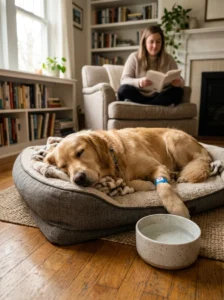
Mild tiredness or reduced appetite for a day is common and not usually a concern. Anything more severe, or lasting longer than 48 hours, is worth a call to your vet.
Planning for the Cost

Vaccination costs vary significantly depending on your location, your vet’s pricing, and which specific vaccines your dog needs. The puppy series, since it involves multiple visits and several different vaccines, tends to be the most expensive period, especially when combined with other early costs like spaying/neutering, initial parasite prevention, and routine exams.
A few things that helped us plan for this with Bruno:
⦁ Asking our vet for a rough cost breakdown of the full puppy series upfront, rather than being surprised visit by visit
⦁ Asking which non-core vaccines were genuinely necessary for our specific lifestyle versus which were optional, so we weren’t paying for protection against risks that didn’t really apply to us
⦁ Looking into whether our vet’s clinic offered any wellness packages that bundled routine puppy visits and vaccines at a slightly reduced combined cost
A Detail Worth Knowing Before You Travel or Board Your Dog

If you travel with your dog, board them, or move to a new area, vaccination requirements aren’t always identical everywhere. Some regions have different rabies vaccination laws, some boarding and daycare facilities require additional non-core vaccines beyond the basics, and international travel often comes with its own, sometimes extensive, documentation requirements.
When we first looked into boarding Bruno, I learned the facility required current Bordetella vaccination with a specific minimum time window before drop-off — something I hadn’t planned for and had to schedule with our vet a couple of weeks in advance. Building in that lead time, especially before travel or boarding, has saved us from scrambling since.
This is also exactly why keeping your own simple record matters, separate from whatever your vet’s clinic keeps on file. A note on your phone, a spreadsheet, or even a printed calendar — tracking the date of each vaccine, which one it was, any reaction, and when the next is due — meant I never had to scramble to call the clinic for paperwork when Bruno needed boarding documentation on short notice.
Looking back at that confused parking-lot moment, the thing that actually made vaccinations click for me wasn’t the calendar at all — it was finally understanding the mechanism behind it. If you’re working through a puppy schedule right now, ask your vet to walk you through the “why” behind each recommendation, not just the “when.” It makes the whole thing feel a lot less like an arbitrary checklist.
Related reading: puppy health in the first 8 weeks, how often you should actually visit the vet, and building a basic first aid kit at home.