Monsoon season here in Lahore turns every walk into a genuine mud-management challenge, and figuring out an efficient, quick paw-cleaning routine became a real practical necessity rather than just a nice-to-have. This guide covers the system that’s actually worked for us, beyond just toweling off and hoping for the best.
Why a Quick System Matters More Than You’d Think
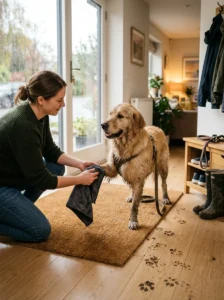
Without an efficient routine, muddy paws can mean tracked dirt throughout your home after every single walk during wet seasons, which adds up to genuinely significant cleaning burden over time. Building a quick, consistent system at your entry point makes this manageable rather than a recurring source of frustration.
The Basic Paw-Wipe Method
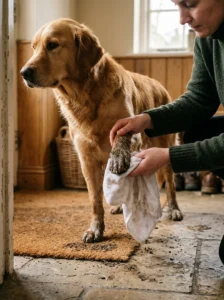
For everyday mild dirt or light mud, this is the simplest, fastest approach:
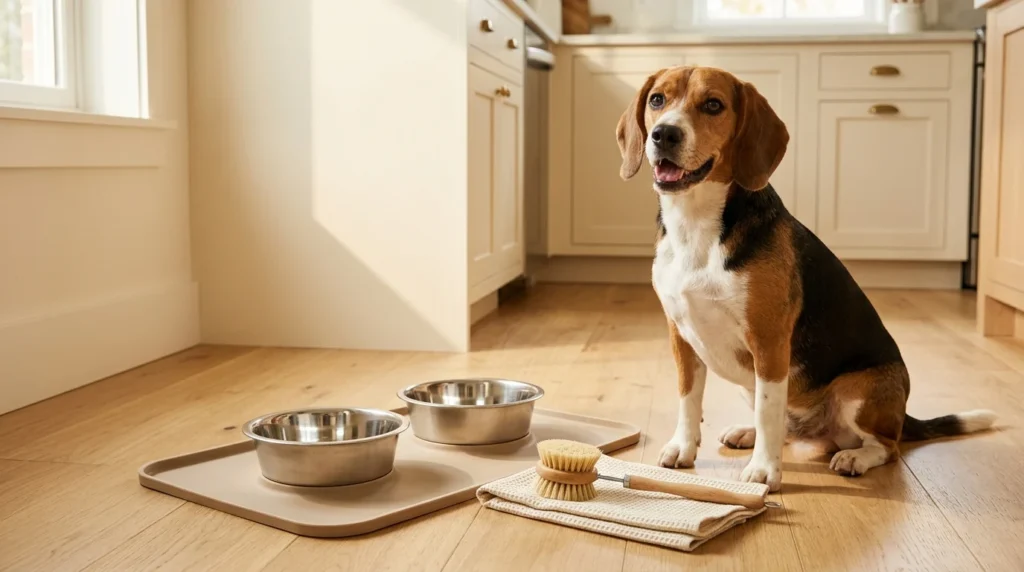
1. Keep a designated towel near your entry point, ideally a slightly damp one for actually lifting dirt rather than just smearing it
2. Wipe each paw individually, working from the top of the paw down toward the nails and between toes where mud tends to collect
3. Check between toes specifically, since this is where mud and debris most commonly get trapped and easily missed in a quick wipe
The Paw-Washing Station Approach
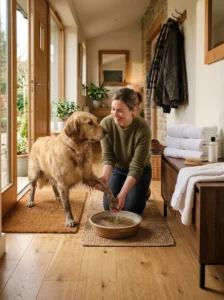
For more significant mud, particularly during heavy rain seasons, a more thorough washing approach works better than wiping alone:
1. Keep a shallow basin or bucket with clean water near your entry point during wet seasons
2. Dip and gently swish each paw, working through visible mud and debris
3. Dry thoroughly afterward with a dedicated towel, since leaving paws damp, particularly between toes, can contribute to skin irritation or fungal issues over time
Specialized Paw-Cleaning Products
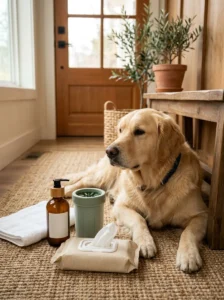
Several products are specifically designed for this exact task:
Paw-cleaning cups, designed with internal silicone bristles — you simply twist your dog’s paw inside the cup filled with water, and the bristles work through dirt efficiently, often faster than manual washing.
Pre-moistened paw wipes, convenient for quick cleanups without needing water setup, particularly useful for situations like returning from a walk when you’re short on time.
Waterless paw cleaning foam or spray, applied and then wiped away, useful as a quick option when water access isn’t convenient.
Building a Consistent Entry-Point Routine
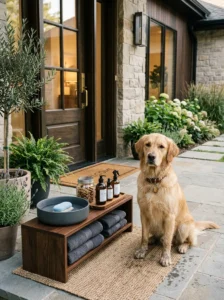
What’s made this genuinely sustainable for us is keeping everything needed — towels, the paw-washing basin during wet seasons, treats for cooperation — right at our entry point, rather than needing to gather supplies after every walk. This removes the friction that might otherwise lead to skipping proper paw cleaning when you’re tired or in a hurry.
Training Cooperation for Paw Cleaning
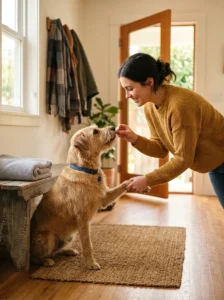
Similar to other handling tasks covered in our grooming guide, building genuine cooperation for paw cleaning matters for making this a quick, low-stress routine rather than a struggle after every walk.
⦁ Pair paw cleaning with treats consistently, building positive association with the process
⦁ Keep initial sessions brief and low-pressure, especially if your dog isn’t yet comfortable with paw handling
⦁ Practice during calm moments outside of actual muddy situations, building general paw-handling tolerance that transfers to the real cleaning routine
Why Thorough Drying Matters, Not Just Cleaning
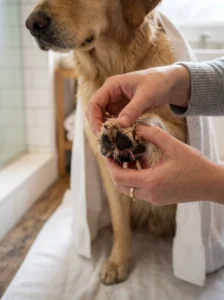
Beyond simply removing visible mud, thoroughly drying paws afterward matters for preventing moisture-related skin issues, particularly relevant between the toes where moisture can linger and potentially contribute to irritation or fungal growth, similar to broader moisture-related concerns covered in our skin problems guide.
Seasonal Adjustments to Your Routine
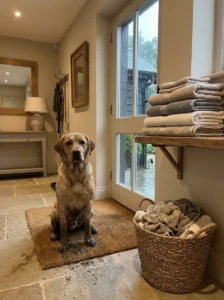
During particularly heavy mud seasons, we’ve found it worth keeping multiple towels in rotation rather than relying on a single towel that quickly becomes saturated and less effective. Having a few clean, dry towels ready, with used ones promptly moved to laundry rather than reused while still damp, keeps the whole system working efficiently even during the muddiest weeks.
Protecting Your Floors Beyond Paw Cleaning Alone
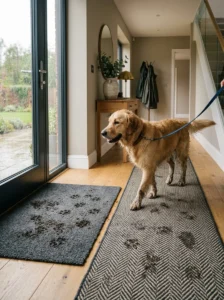
Beyond cleaning paws themselves, a few additional strategies help manage mud season more broadly: keeping a doormat specifically positioned for your dog’s entry point, considering washable runners in high-traffic areas during particularly muddy seasons, and if your walking routes allow, choosing slightly less muddy paths during the worst of wet weather when practical.
Why Some Dogs Resist Paw Cleaning More Than Others
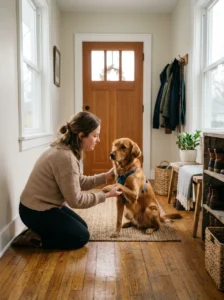
It’s worth understanding that paw sensitivity varies genuinely between individual dogs, similar to the variation in tolerance for nail trims covered in our dedicated guide. Paws contain a significant concentration of nerve endings, which is part of why many dogs are naturally more sensitive about paw handling than handling in other body areas. Understanding this as a genuine physical sensitivity, not simply stubbornness, helps frame a more patient, understanding approach to building tolerance over time.
Seasonal Paw Care Beyond Just Cleaning
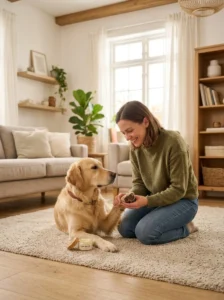
Beyond cleaning specifically, different seasons bring different paw-care considerations worth knowing about. During hot summer months, checking pavement temperature before walks, covered in our heatstroke guide, matters as much as post-walk cleaning. During particularly dry conditions, paw pads can become cracked or excessively dry, sometimes benefiting from a vet-approved paw balm or moisturizer, applied as part of your regular paw care routine alongside cleaning.
Building Paw Cleaning Into Multi-Dog Household Logistics
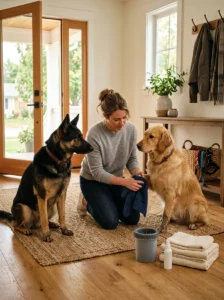
With two dogs needing paw cleaning after every walk, particularly during muddy seasons, we’ve found it efficient to handle this as a coordinated routine rather than two entirely separate processes — cleaning Bruno’s paws while Mishi waits calmly nearby (something we’ve specifically trained), then switching, rather than trying to manage both simultaneously in a way that tends to create more chaos than efficiency.
Protecting Paws Proactively During Particularly Muddy Walks
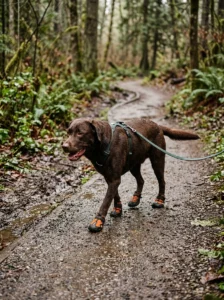
Beyond cleanup after the fact, some owners use protective measures during the actual walk to reduce how much mud paws pick up in the first place. Dog booties, while requiring their own training period for tolerance, can genuinely reduce direct mud contact during particularly muddy walks, though they’re not practical or comfortable for every dog. For dogs who won’t tolerate booties, simply being more strategic about walking routes during the muddiest periods — sticking to less muddy paths or areas when possible — can reduce the overall mud burden even without protective gear.
Identifying When Paw Issues Go Beyond Simple Dirt
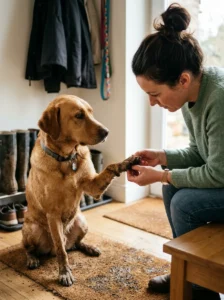
While most post-walk paw attention is purely about cleanliness, it’s worth staying alert to signs that go beyond simple mud — embedded thorns or debris, cuts or abrasions, or signs of irritation between the toes that might indicate something beyond normal dirt accumulation. Using your regular paw-cleaning routine as an opportunity to actually look closely, not just wipe quickly, helps you catch these issues that warrant more than routine cleaning, potentially needing veterinary attention if something concerning is identified.
Drying Technique That Actually Works for Floppy-Eared, Hairy-Pawed Breeds

For breeds with significant hair growth around and between the paws, simple toweling sometimes isn’t sufficient for genuinely thorough drying, leaving trapped moisture that can contribute to the skin issues mentioned earlier. For these breeds specifically, gently separating and drying between toes individually, rather than just wiping the overall paw surface, ensures more thorough moisture removal from the areas most prone to trapping it.
Keeping Your Entry-Point System Stocked and Ready
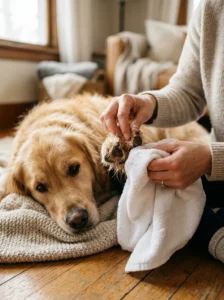
A practical detail that’s made our routine genuinely sustainable: treating our paw-cleaning supplies like any other regularly-used household consumable, checking stock periodically rather than discovering we’re out of clean towels or wipes mid-muddy-season when supplies are most needed. Building this into a general household supply check, similar to how you might track other regularly-used items, removes the frustration of an empty supply station right when you need it most.
Paw Cleaning as Part of a Broader Post-Walk Routine
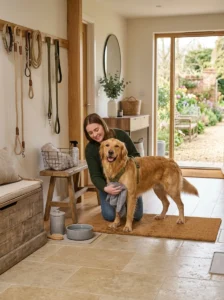
For us, paw cleaning has become integrated into a broader post-walk routine rather than an isolated task — a quick water bowl refresh, paw cleaning, and a brief overall check for any debris in the coat generally, all happening as one connected sequence right at our entry point. This integrated approach has made the whole post-walk process feel like a natural, efficient routine rather than several separate tasks competing for attention and easily skipped individually when we’re tired or rushed.
What I’d Tell a New Dog Owner Heading Into Their First Muddy Season
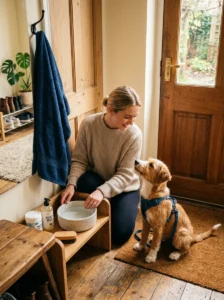
If you’re a newer dog owner facing your first genuinely muddy season, the biggest piece of advice I’d offer is this: set up your system before you actually need it desperately, not during a crisis moment when you’re standing at the door with a visibly muddy dog and no plan. Even a basic towel-by-the-door setup, established proactively, will save you significant frustration compared to scrambling to figure out a system reactively once mud season is already well underway.
A few quick answers: Is it bad to let muddy paws just air dry without cleaning — This isn’t ideal — beyond tracking dirt throughout your home, leaving mud to dry on paws can contribute to skin irritation or discomfort, particularly if any debris or small stones get caught between toes and aren’t removed.. Can I use baby wipes instead of dog-specific paw wipes — This isn’t generally recommended, since baby wipes often contain ingredients or fragrances not specifically formulated as safe for a dog’s skin, making dog-specific paw wipes the safer choice if you’re using a wipe product.. My dog hates having paws touched — how do I clean them without a struggle — Building general paw-handling tolerance through the gradual, positive approach covered in our nail trimming guide (which addresses similar paw-sensitivity issues) helps build the comfort needed for easier paw cleaning too.. Should I check paws for injuries during cleaning, not just dirt — Yes, this is actually a valuable habit — using paw-cleaning time as an opportunity to check for cuts, embedded debris, or other issues means you’re likely to catch problems early rather than missing them until they become more noticeable..
Building a genuinely efficient paw-cleaning routine has made monsoon season walks feel manageable rather than dreaded, turning what could be a recurring source of household mess and frustration into a quick, routine part of coming home. If you’re dealing with a similarly muddy season yourself, investing a little effort into building this system at your entry point will pay off significantly over the following weeks.
For related guidance, our guides on the complete grooming guide and removing pet hair from your home are excellent next reads.