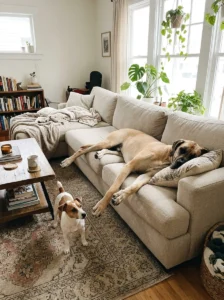
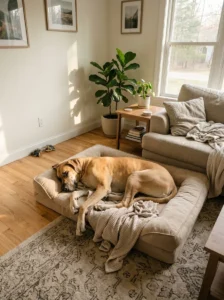
Here’s something that surprises people: plenty of big dog breeds are lazier than the average terrier. My friend Jo’s Great Dane spends about twenty hours a day flat on the sofa, one paw dangling like a dropped glove. Her neighbour’s Jack Russell does laps of the garden before breakfast. Size doesn’t tell you energy. It tells you how much floor you lose when your dog lies down.
Why Size Is the Wrong Place to Start
Big dogs come with big everything. Big beds, big food bills, big paws on the kitchen counter. They also tend to live shorter lives than small breeds, and some are prone to joint trouble, so talk to your vet and a responsible breeder or rescue before you commit. That’s not meant to scare you. It’s meant to help you plan.
What matters more is temperament, coat, and how much exercise you can honestly give. A Labrador wants a job. A Mastiff wants a cushion. Mix those up and everyone ends up miserable.
So here’s my quick check. How many hours a day are you home? How much space do you have? How much fur can you live with? Answer those first, then pick a breed. And be honest. Nobody’s judging, except maybe the dog.
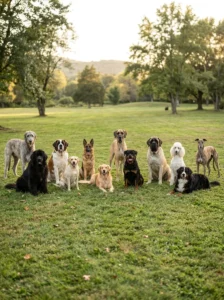
12 Big Dog Breeds Worth Making Room For
Labrador Retriever. Friendly, food-obsessed, and always up for fetch. Needs plenty of exercise and a watchful eye on the biscuit tin.
Golden Retriever. Gentle and eager to please. Sheds like it’s a hobby, so buy a good brush.
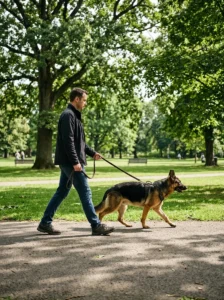
German Shepherd. Clever, loyal, and happiest with a task to do. Early training and socialization go a long way.
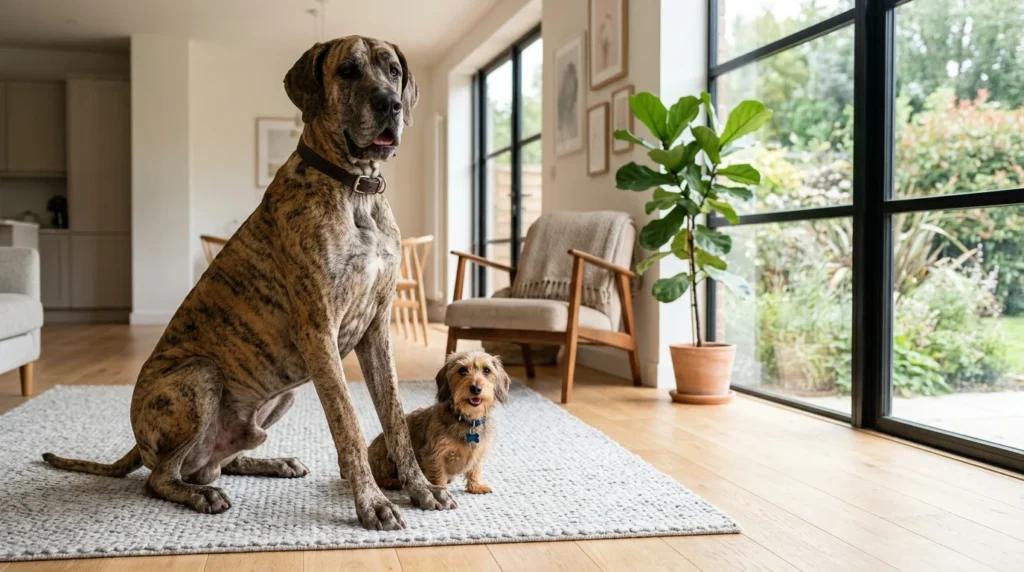
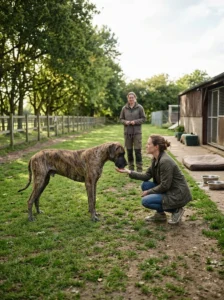
Great Dane. The gentle giant. Calm indoors, goofy outdoors, and astonishingly good at claiming a whole sofa. Short walks, long naps.
Newfoundland. Soft-hearted and sweet-natured, with a serious drool habit. Loves water and cold weather, but struggles in the heat.
Bernese Mountain Dog. Fluffy, affectionate, and devoted to its people. Happiest in cooler climates. Their lifespan tends to be shorter than many breeds, which is worth knowing early.
Saint Bernard. Patient and mellow. Needs space, a firm but kind hand, and a stack of towels for the drool.
English Mastiff. Huge, calm, and quietly watchful. A cuddle-seeker who’s convinced he’s a lap dog.
Rottweiler. Confident and loyal, and best suited to experienced owners who’ll train consistently. A strong dog needs good manners from puppyhood.
Greyhound. Surprisingly low-key at home. Sprints in short bursts, then sleeps. Many are retired racers who make gentle companions.
Irish Wolfhound. Tall, shaggy, and sweet-tempered. Needs room to stretch and a soft place to lie down.
Standard Poodle. Clever, athletic, and often forgotten as a big dog. Low-shedding coat, but regular grooming is a must.
Before You Bring One Home
The Tip That Surprised Me
Meet the dog first. Properly. A breed description gives you an average, but your dog is an individual. Jo visited three Great Danes before choosing, and the one she picked was the quiet one asleep in the corner. Spend time with adult dogs at a rescue or a breeder’s, walk them if you can, and ask what they’re really like at home.
Picture a wet Sunday afternoon and a big dog dozing calmly at your feet. That’s what you’re hunting for.
A Quick Warning
Big puppies grow fast, and they’re clumsy. Hard exercise too early can strain growing joints, so ask your vet how much play suits each stage. Budget for size, too. Food, flea and worm treatments, boarding, and vet bills all climb with weight.
Then check the practical stuff. Does your lease allow large dogs? Will one fit in your car? Can your sofa survive? And don’t leave a big, bored puppy alone with the washing basket. Jo’s Dane once ate most of a duvet, and she still tells the story with a shudder.
Strong dogs also need leash manners early. A 70-pound dog who pulls will drag you down the road. Treats help with training, but keep them a small part of your dog’s daily food.
Questions Big Dog Owners Keep Asking
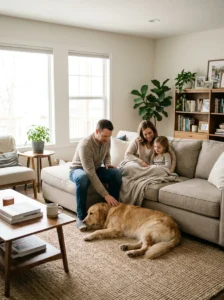
Are big dogs good with children?
Many are gentle, but size alone can knock a toddler over by accident. Supervise every interaction and teach both sides some manners.
Do big dogs need huge gardens?
Not really. They need daily walks, mental work, and a comfy place to rest. A good walk beats a big lawn.
Are they more expensive to keep?
Usually, yes. Food, gear, and vet costs rise with size. Ask your vet for a rough idea before you commit.
You don’t need to love all twelve. Pick two or three that suit your space, energy, and budget, and go meet some in person. The best big dog breeds are the ones that fit the life you actually live, not the one you wish you had.
Not sure how to tell whether a rescue dog is calm or just tired? Have a look at my post on how to choose a dog breed for your lifestyle. And tell me: which of these gentle giants has your heart?