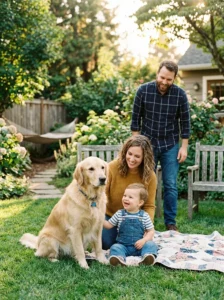
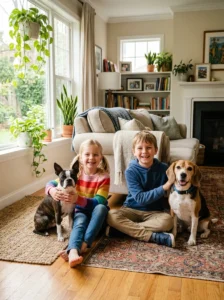
When we were deciding what kind of dog to bring into our household, having young children around — both our own and frequent visiting nieces and nephews — was a genuinely significant factor in our thinking. Bruno’s Golden Retriever heritage played a real role in that decision, and watching how naturally patient and gentle he’s been with kids over the years has confirmed why that breed reputation exists.
(I’m an experienced dog owner, not a behaviorist or breeder. Breed tendencies offer useful general guidance, but individual temperament varies significantly within any breed, and proper supervision and teaching children appropriate interaction matters regardless of which breed you choose.)
What Makes a Breed Genuinely Good With Children
Before getting into specific breeds, it’s worth under
standing what actually matters for this consideration, since “good with kids” isn’t a single simple trait.
Patience and tolerance for the sometimes clumsy, unpredictable behavior of young children — being grabbed, climbed on, or unintentionally handled roughly — without an outsized reactive response.
Sturdy build, relevant for tolerating physical interaction without being easily hurt or startled by enthusiastic, not-yet-gentle children.
Generally stable, predictable temperament, since dogs prone to significant anxiety or unpredictable reactivity, regardless of the underlying cause, pose more risk in a busy, sometimes chaotic family environment.
Appropriate energy level for your specific family’s lifestyle and ability to provide adequate exercise and engagement.
Golden Retriever

Golden Retrievers consistently rank among the most recommended family breeds, and our dedicated breed guide covers their temperament in detail. Their patient, gentle disposition combined with sturdy build and genuine enthusiasm for family life makes them a frequently cited top choice for households with young children specifically.
From my experience: Bruno’s interactions with young visiting relatives have consistently shown the patience this breed is known for — tolerating exuberant hugging, occasional accidental stepping on a paw, and general boisterous kid energy with remarkable equanimity.
Labrador Retriever
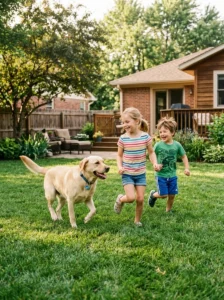
Similar to Golden Retrievers in many respects, Labradors are another consistently recommended family breed, covered in our dedicated guide, known for their friendly, sturdy, patient temperament alongside genuine enthusiasm for active family play.
Beagle
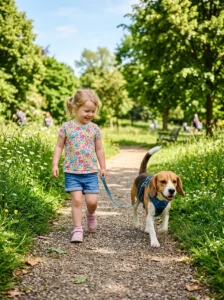
Beagles are generally good-natured, sociable dogs with a sturdy build well-suited to active family households, covered in more detail in our breed guide. Their moderate size and generally even temperament make them a popular family choice, though their strong scent-driven instincts and occasional stubbornness during training are worth knowing about.
Bichon Frise
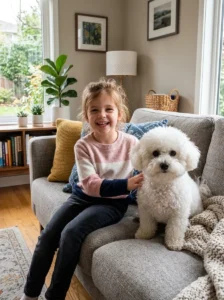
For families seeking a smaller breed, Bichon Frises are often cited as good with children given their cheerful, adaptable temperament, though their smaller size means supervision with very young or rough-handling children remains important, as with any smaller breed more vulnerable to injury from overly enthusiastic handling.
Boxer
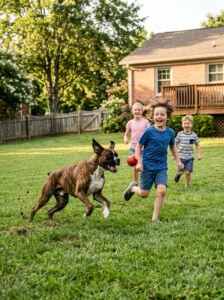
Boxers are known for their playful, patient temperament with children, often described as having a natural affinity for kids and genuine enthusiasm for active play. Their sturdy, athletic build suits the physical demands of family play well, though their high energy level means committed exercise needs should be factored into the decision.
Newfoundland
Despite their large size, Newfoundlands are frequently cited for their remarkably gentle, patient temperament, sometimes specifically nicknamed for their nanny-like watchfulness over children historically. Their calm, sweet disposition makes them a popular choice for families who can accommodate their substantial size and grooming needs.
Collie
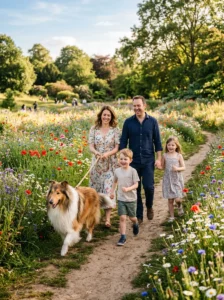
Collies, including both rough and smooth-coated varieties, are known for their gentle, loyal temperament and natural watchfulness, often forming particularly strong bonds with children in their family. Their herding heritage means some individuals show mild herding-related behaviors (like gentle nudging) that’s worth understanding rather than misinterpreting as aggression.
What to Avoid Assuming About “Good With Kids” Breeds
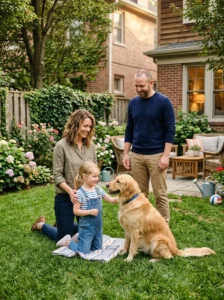
Even with breeds known for family-friendly temperament, a few things deserve emphasis:
No breed is automatically safe without supervision. Even the most patient breed reputation doesn’t replace active supervision, particularly with very young children who haven’t yet learned appropriate interaction with dogs.
Individual temperament still varies significantly. A specific dog from a generally family-friendly breed can still have an individual temperament that doesn’t match the breed’s general reputation, which is part of why meeting an individual dog, not just researching breed tendencies, matters for any adoption decision.
Training and socialization remain essential regardless of breed reputation — a well-socialized, well-trained dog of any breed is generally safer and more pleasant around children than an undersocialized dog of even the most family-friendly breed.
Teaching children appropriate interaction matters just as much as breed choice. Teaching kids to respect a dog’s space, recognize signs of discomfort, and interact gently is a critical, often underemphasized part of building a genuinely safe, positive family dynamic with any dog.
Considering Your Children’s Specific Ages
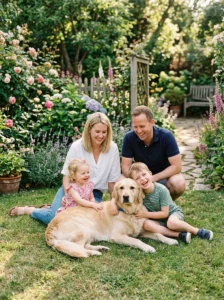
Breed considerations can shift somewhat based on your children’s ages. Very young children (toddlers and below) generally benefit from a sturdier, exceptionally patient breed given the unpredictable nature of toddler behavior, while families with older, more capable children might successfully manage a broader range of breeds, including some that require more careful introduction or a slightly more measured temperament.
Breeds That May Need Extra Consideration With Young Children
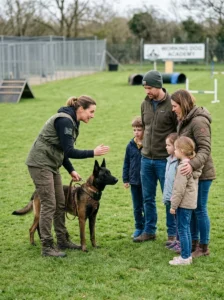
This isn’t to say these breeds can’t work wonderfully in families with proper management, but a few categories deserve particularly careful consideration: breeds with strong guarding or protective instincts that need very thorough socialization specifically around children, very small toy breeds that are more physically vulnerable to injury from rough handling, and high-energy working or herding breeds whose substantial exercise and mental stimulation needs might be harder to meet alongside the demands of caring for young children.
Newfoundland and Other Gentle Giant Breeds Worth Considering
Beyond Newfoundlands specifically, several other large breeds carry similar “gentle giant” reputations worth knowing about for families drawn to larger dogs specifically. Great Danes, despite their imposing size, are frequently described as having a surprisingly calm, affectionate temperament well-suited to family life, provided their substantial space and exercise needs are met. Saint Bernards similarly combine notable size with a generally patient, gentle disposition, though like Newfoundlands, their grooming needs and the practical realities of managing a very large dog in a family home deserve genuine consideration.
Building Positive Early Experiences Between Dogs and Children
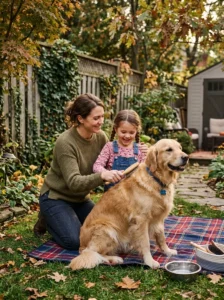
Beyond breed selection, actively building positive early experiences matters enormously for the long-term relationship between your dog and children, regardless of which breed you choose. This includes involving children appropriately in age-suitable care tasks (under supervision), teaching them to recognize signs that a dog wants space or seems uncomfortable, and modeling calm, respectful interaction yourself, since children often learn appropriate dog interaction by observing how the adults around them behave.
What Changes as Children Grow Older
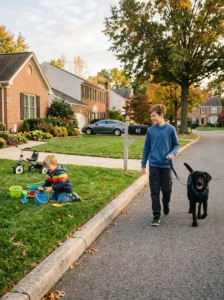
It’s worth recognizing that the dog-child relationship evolves as children mature — a breed and management approach well-suited to toddlers might look different by the time those same children are old enough to participate more actively in training, walking, and direct care of the family dog. This evolving dynamic is part of why breed selection benefits from considering not just your children’s current ages, but the multi-year span most dogs will share with a growing family.
Multi-Child Households: Additional Considerations
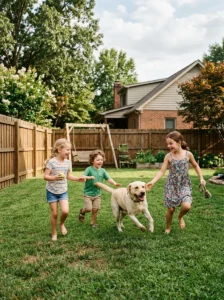
If you have multiple children, particularly with a range of ages, breed selection benefits from considering the full range of interaction styles your dog will encounter — a breed needs to comfortably tolerate both a toddler’s unpredictable handling and an older child’s more boisterous play style, which is part of why the sturdy, patient temperament emphasized throughout breeds on this list matters across the full span of ages typically present in a multi-child household.
Smaller Breeds That Also Work Well With Children
While much of this guide has focused on medium-to-large breeds, it’s worth noting that several smaller breeds also have strong family-friendly reputations, provided extra supervision given their increased physical vulnerability. Beagles, covered in our dedicated breed guide, combine sturdy build (for their size) with a generally patient, sociable temperament well-suited to active families. Boston Terriers similarly offer a compact, generally easygoing temperament that many families find works well, particularly in households without space for a larger breed’s needs.
Rescue Dogs and Family Suitability Assessment

If you’re considering adopting a rescue dog rather than a specific breed puppy, many shelters and rescue organizations conduct behavioral assessments that can provide valuable insight into a specific dog’s temperament with children, even for mixed-breed dogs without clear breed-based predictions available. Being upfront with rescue staff about having children in the household, including their ages, helps ensure any matching recommendations genuinely account for this important consideration, often more reliably than guessing based on apparent breed mix alone.
A few quick answers: What’s the single most important factor for a dog being good with kids — Temperament stability and proper socialization tend to matter more than breed alone, though breed tendencies provide a useful starting point for narrowing your search toward generally compatible options.. Should I get a puppy or an adult dog for a family with young children — Both can work well — a puppy allows you to shape socialization and training from the start, while an adult dog (particularly one with a known, verified temperament from a rescue) offers more certainty about established personality, which some families find reassuring with young children already in the home.. Are small dogs generally worse with children than large dogs — Not inherently — temperament matters more than size, though smaller dogs are more physically vulnerable to injury from rough handling, meaning extra supervision and teaching gentle interaction matters particularly with smaller breeds and young children.. How do I know if a specific dog will be good with my children before adopting — Spending time with the individual dog around your children if possible, asking detailed questions of breeders or rescue organizations about the dog’s known history and temperament, and watching for the specific traits covered in this guide (patience, stability, appropriate energy level) all help inform this decision beyond breed reputation alone..
Choosing a family-friendly breed was a genuinely important consideration for us, and watching Bruno’s patient, gentle nature with kids over the years has confirmed how much that initial research mattered. Whatever breed you’re considering, I’d encourage prioritizing temperament research and individual dog assessment alongside breed tendencies, and committing equally to teaching your children how to interact respectfully and safely with whatever dog joins your family.
For related guidance, our guides on choosing the right breed for your lifestyle and best breeds for first-time owners are excellent next reads.