A close friend of mine has owned German Shepherds for years, and watching her experience alongside our own time with Bruno has given me a genuine appreciation for how different this breed’s needs are from a more easygoing retriever-type dog. German Shepherds are remarkable, capable dogs, but they’re also a breed that genuinely rewards — and requires — a more serious, structured approach to ownership than some other popular breeds.
(I’m an experienced dog owner, not a breeder or veterinary professional. This reflects general breed information and observations from people I know with direct experience — a vet or breed-specific rescue can offer guidance tailored to an individual German Shepherd’s specific temperament and needs.)
German Shepherd Temperament
German Shepherds were developed originally as herding dogs, later becoming widely used in police, military, service, and protection work due to their combination of intelligence, trainability, courage, and strong work drive. This working heritage shows up clearly in the modern breed’s temperament — German Shepherds are typically intelligent, loyal, confident, and often somewhat reserved or watchful around strangers, distinct from the immediately friendly-to-everyone temperament more typical of breeds like Golden Retrievers or Labradors.
Common temperament traits:
⦁ Highly intelligent, often ranked among the most trainable breeds
⦁ Loyal and deeply bonded to their family, sometimes described as a “one-family” dog
⦁ Naturally watchful or protective instincts, requiring proper socialization to manage appropriately
⦁ High work drive, genuinely needing a job or consistent mental engagement to feel fulfilled
⦁ Generally good with children in their own family, though early, thorough socialization matters significantly for appropriate behavior with strangers and unfamiliar situations
Why Socialization Matters Especially for This Breed

Given their natural watchfulness and protective instincts, early, thorough, and ongoing socialization is particularly important for German Shepherds compared to some more universally friendly breeds. Without adequate socialization, natural wariness toward unfamiliar people or situations can develop into problematic fearfulness or reactivity. Our puppy socialization guide covers the general framework, though for this breed specifically, consistency and breadth of exposure during the critical socialization window deserves particular priority.
Exercise and Mental Stimulation Needs
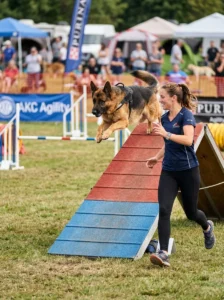
This is genuinely one of the most important things to understand before considering this breed: German Shepherds need substantial physical exercise, but mental stimulation matters just as much, if not more, given their working heritage and high intelligence. A German Shepherd who gets adequate physical exercise but insufficient mental engagement often still develops behavioral issues, since their working drive needs a genuine outlet beyond simple physical tiredness.
What this looks like practically:
⦁ At least an hour or more of vigorous physical exercise daily
⦁ Regular training sessions, ideally ongoing throughout their life, not just during puppyhood
⦁ Engaging activities that use their problem-solving abilities — puzzle toys, scent work, structured games
⦁ Many German Shepherd owners find dedicated activities like obedience sport, agility, or other structured working outlets genuinely valuable for this breed’s wellbeing
Training: A Breed That Thrives With Structure
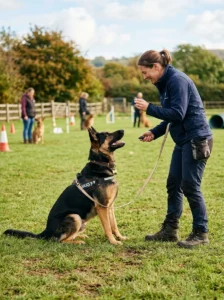
German Shepherds are highly trainable and often excel in structured training environments, given their intelligence and natural work drive. That said, their intelligence cuts both ways — an under-stimulated or inconsistently trained German Shepherd can develop their own problematic habits just as readily as they can learn desired behaviors with consistent, engaged training.
From what I’ve observed with my friend’s Shepherds: consistency and genuine engagement from the owner matter enormously with this breed. They’re not a “set it and forget it” dog in terms of training — ongoing mental engagement throughout their life seems to genuinely matter for their long-term behavioral stability and overall contentment.
Grooming Needs
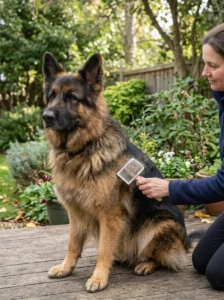
German Shepherds have a dense double coat that sheds significantly, often described as shedding “year-round with two heavier seasonal blowouts.” Regular brushing, ideally several times weekly, helps manage this substantial shedding and supports overall coat and skin health.
Grooming routine essentials:
⦁ Frequent brushing, increasing significantly during seasonal coat blow
⦁ Regular bathing, not excessive, to avoid stripping natural coat oils
⦁ Routine nail trims, dental care, and ear checks like any breed
Common Health Considerations
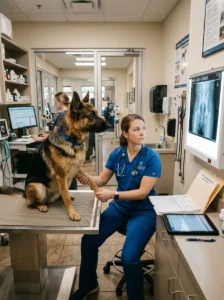
Hip and elbow dysplasia is a well-documented concern in this breed specifically, given their size and the structural demands of their build — our hip dysplasia guide covers this in detail, and it’s worth discussing proactively with your vet if you have or are considering this breed.
Degenerative myelopathy, a progressive spinal cord condition more documented in German Shepherds than in many other breeds, worth knowing about and discussing with a vet familiar with the breed.
Digestive sensitivities, with some individual German Shepherds prone to digestive issues, which our sensitive stomach guide addresses more broadly.
Bloat risk, given their deep-chested build, which is a concern shared with several other large, deep-chested breeds, making feeding practices that reduce this risk (covered in our feeding schedule guide) particularly relevant.
Are German Shepherds Good for First-Time Owners
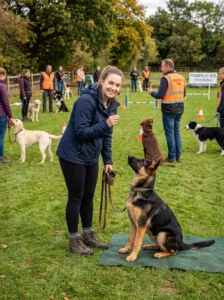
This is genuinely worth careful consideration rather than a simple yes or no. German Shepherds can be wonderful dogs for committed first-time owners who genuinely understand and are prepared for their substantial exercise, training, and socialization needs, but they’re not generally considered an easy “starter breed” the way a more universally easygoing breed might be. Their intelligence and drive mean inadequate engagement or inconsistent handling can lead to real behavioral challenges, making this a breed that rewards experienced or genuinely committed, well-prepared owners more than a casual or uncertain approach to ownership.
German Shepherds and Families

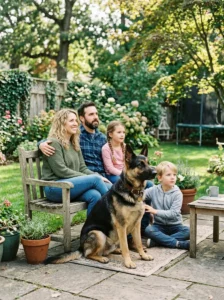
Within their own family, German Shepherds are typically loyal, affectionate, and often genuinely excellent with children they’ve grown up around or been properly introduced to, frequently developing a strong protective bond. That said, given their watchfulness around unfamiliar people, careful supervision and clear guidance for children on appropriate interaction matters, alongside the broader socialization emphasized throughout this guide.
German Shepherd Coat Varieties
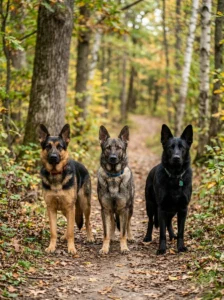
While most people picture the classic tan-and-black saddle pattern, German Shepherds actually come in several coat colors and patterns, including solid black, sable, and others, alongside both medium and long coat length varieties. Coat color and length don’t generally correlate with temperament differences, though long-coated German Shepherds require somewhat more grooming attention than the more common medium-coat variety to manage their longer fur properly.
Working Lines vs. Show Lines
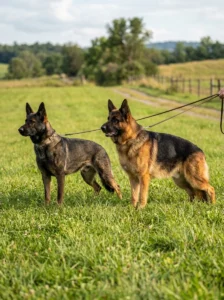
Similar to the distinction mentioned for Labradors, German Shepherds are often bred along working lines (emphasizing performance for police, military, or sport work, often showing higher drive and energy) versus show lines (bred more toward conformation standards, sometimes showing a somewhat calmer temperament, though this varies by specific breeding program). Understanding which line a specific puppy or dog comes from can provide useful insight into likely temperament and energy level, particularly relevant for prospective owners trying to gauge whether a specific dog’s needs will match their lifestyle.
German Shepherds in Working and Service Roles
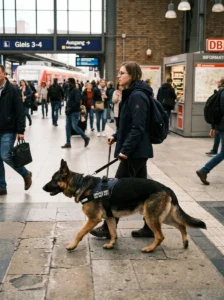
Beyond companion and protective roles, German Shepherds remain one of the most frequently selected breeds for specialized working roles — police and military service, search and rescue, service dog work for individuals with disabilities, and various detection roles. This versatility reflects the genuine combination of intelligence, trainability, and physical capability that defines the breed, and understanding this working heritage helps explain why companion German Shepherds often seem to genuinely seek purposeful activity beyond simple companionship.
Common Misconceptions About German Shepherds

“They’re naturally aggressive.” As covered earlier, aggression isn’t an inherent breed trait — proper socialization and training shape appropriate behavior, with genetics and individual temperament also playing meaningful roles distinct from breed alone.
“They can’t be good family pets given their working background.” Many German Shepherds make genuinely excellent family companions, particularly when their substantial exercise, training, and socialization needs are properly met, combining loyalty and often surprising gentleness within their own family alongside their more serious working capability.
“All German Shepherds have hip problems.” While hip dysplasia is a documented breed predisposition, not every German Shepherd develops this condition, particularly with responsible breeding practices including hip screening of breeding stock, alongside proactive care covered in our hip dysplasia guide.
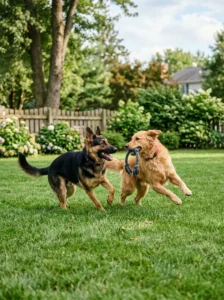
German Shepherds can do well in multi-dog households, particularly with proper introduction following the principles in our introducing a new dog guide, though their natural watchfulness and sometimes strong individual bonding tendency means careful, gradual introduction matters even more with this breed than with some more universally easygoing breeds. Many German Shepherds form a particularly close bond with one specific household member while still being generally affectionate with the rest of the family, which is worth understanding as a normal breed tendency rather than a sign of behavioral imbalance.
The Importance of Finding an Experienced Breeder or Rescue

Given the genuine significance of temperament stability in this breed, sourcing from a breeder who prioritizes both health screening and stable, well-socialized temperament in their breeding program, or a rescue organization with genuine experience assessing German Shepherd temperament specifically, matters considerably. This breed’s popularity has unfortunately led to some less responsible breeding practices that can produce dogs with less stable temperament than the breed standard reflects, making sourcing research particularly worthwhile for this specific breed.
A few quick answers: Are German Shepherds naturally aggressive — No — aggression isn’t an inherent breed trait, but their natural protective instincts and watchfulness, without proper socialization and training, can develop into problematic behavior, which is exactly why early, thorough socialization matters so significantly for this breed specifically.. How much exercise does a German Shepherd actually need daily — Generally at least an hour of vigorous physical exercise, combined with meaningful mental stimulation through training or engaging activities — physical exercise alone often isn’t sufficient for this breed’s overall needs.. Do German Shepherds do well with other pets — This varies by individual dog and depends significantly on socialization and introduction process, though their working heritage means some individuals have a stronger prey drive that’s worth considering carefully in multi-pet households.. How long do German Shepherds typically live — Average lifespan is generally around 9-13 years, though this varies based on individual health, genetics, and the specific health considerations relevant to this breed..
Watching my friend’s experience with her German Shepherds over the years has given me real respect for what this breed can offer a genuinely committed owner — remarkable loyalty, intelligence, and capability — alongside honest awareness of how much more demanding their training, exercise, and socialization needs are compared to some more universally easygoing breeds. If you’re seriously considering this breed, going in with realistic expectations about that commitment level matters enormously for both your own satisfaction and the dog’s long-term wellbeing.
For related breed and training guidance, our guides on puppy socialization and best guard dog breeds are excellent next reads.