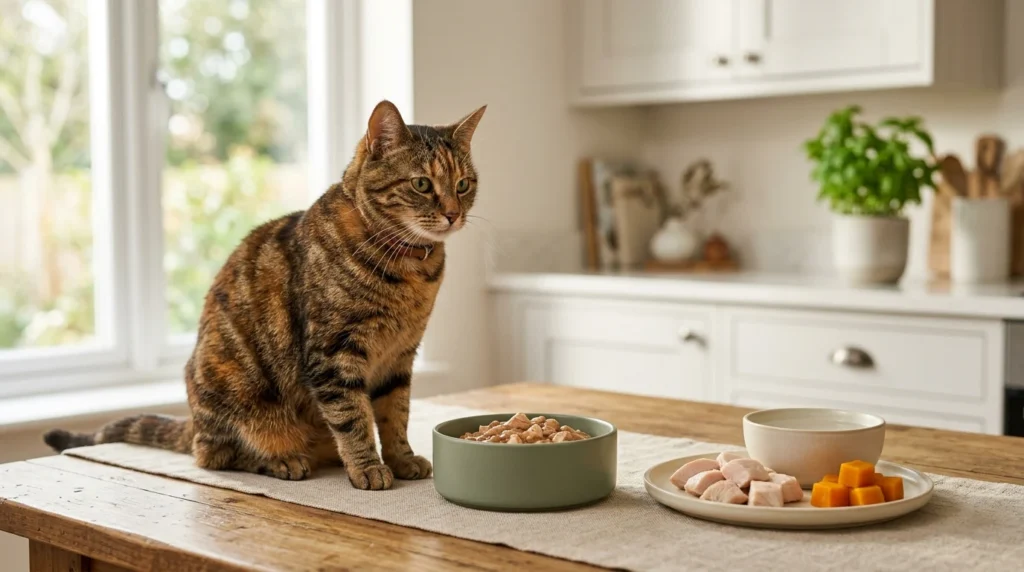
One of the more genuinely alarming lessons I learned helping care for Coco was just how differently vets treat appetite loss in cats compared to dogs — what might warrant a “let’s watch and see” approach with Bruno is treated with real urgency in cats, for reasons that surprised me once I understood the underlying physiology.
(I’m an experienced pet owner, not a veterinarian. Given the genuine urgency involved with appetite loss in cats specifically, this guide is meant to help you understand the seriousness and act promptly, not to replace professional evaluation.)
Why Appetite Loss in Cats Is Genuinely More Urgent Than in Dogs

This is the single most important thing to understand before anything else in this guide. Cats who don’t eat for an extended period — sometimes just 24 to 48 hours — are at risk of developing a serious, potentially life-threatening liver condition called hepatic lipidosis, where the body mobilizes fat to the liver faster than it can process it, particularly relevant for overweight cats. This risk is much less pronounced in dogs, which is part of why a “wait and see” approach that might be reasonable for a dog skipping a meal or two is genuinely riskier with a cat.
Common, Less Serious Causes of Reduced Appetite
Stress or environmental change — similar to what we covered in our new cat owner guide, a stressful event, a new environment, or even a change in routine can temporarily affect appetite.
Dislike of a specific food — cats can be notably particular, and a switch to a new food or flavor that simply doesn’t appeal can cause temporary reduced eating, distinct from a genuine medical concern.
Minor digestive upset, similar to dogs, sometimes from a dietary indiscretion or minor stomach sensitivity.
Heat, particularly in hot climates, can reduce appetite somewhat during the most intense periods, similar to how heat affects appetite in many animals including humans.
More Serious Underlying Causes
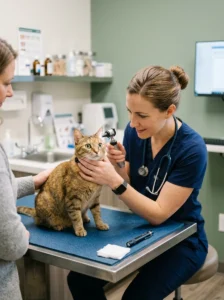
Dental pain, similar to the dental health considerations covered throughout our dog guides, can make eating uncomfortable enough that a cat avoids food despite genuine hunger.
Kidney disease, a common condition in cats, particularly as they age, often presents with reduced appetite as one of the earlier noticeable symptoms.
Gastrointestinal issues, ranging from a foreign object obstruction to inflammatory conditions, can all manifest through reduced or absent appetite.
Infections or other systemic illness, where appetite loss is often one of the first, most general signs something is wrong, even before more specific symptoms become apparent.
When to Treat This as an Emergency

Given the urgency covered earlier, here’s a clearer timeline for action:
Within 24 hours of reduced or no eating, monitor closely, ensure water is accessible, and try offering a few different food options to rule out simple pickiness.
Beyond 24 hours of essentially no eating, contact your vet, even if your cat seems otherwise relatively normal, given the genuine liver risk involved.
Immediately, regardless of timeline, if reduced appetite is accompanied by other symptoms — lethargy, vomiting, diarrhea, hiding more than usual, or any other signs of illness.
Especially urgent for overweight cats, given their elevated risk specifically for the liver condition mentioned earlier — don’t wait the same 24-48 hour window with an overweight cat showing reduced appetite.
What I Learned From Coco’s One Genuine Scare

During one of our cat-sitting stretches, Coco went almost a full day without eating much at all, which initially didn’t alarm me the way it probably should have, given my dog-centric frame of reference where a skipped meal or two rarely raises serious concern. Hira’s immediate, urgent reaction when I mentioned it taught me how differently this needs to be treated with cats — we called the vet that same evening rather than waiting to see if it resolved on its own, and though it turned out to be a relatively minor, resolved issue, that experience permanently changed how seriously I now take any cat’s reduced appetite.
What You Can Try at Home for Mild, Brief Appetite Reduction

Offering a different food or flavor, since pickiness genuinely does account for some appetite changes, particularly if your cat seems otherwise completely normal.
Gently warming food slightly, which can enhance aroma and appeal for some cats, making a meal more enticing without forcing the issue.
Ensuring a calm, quiet feeding environment, away from stressors like loud noises or tension with other pets in a multi-pet household.
Never forcing food or syringe-feeding without specific veterinary guidance, since improper technique can cause aspiration or other complications.
Hepatic Lipidosis Explained in More Detail
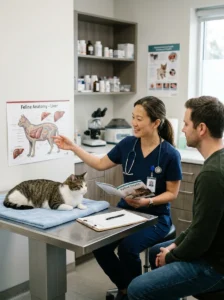
Since this condition gets mentioned repeatedly throughout our cat guides as the key reason appetite loss is so urgent, it’s worth understanding the actual mechanism a bit more clearly. When a cat stops eating, the body begins mobilizing fat reserves for energy. In cats, this process can overwhelm the liver’s capacity to process the incoming fat efficiently, leading to fat accumulation within liver cells themselves — impairing liver function in a way that can become life-threatening if not addressed. This is part of why even a seemingly mild, brief period of reduced eating deserves more caution in cats than the equivalent situation typically would in dogs, whose livers process this kind of fat mobilization more efficiently.
Why Overweight Cats Face Particularly Elevated Risk
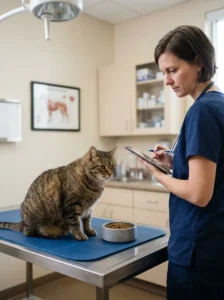
Cats carrying excess weight have a larger fat reserve available to mobilize when appetite drops, which paradoxically makes them more vulnerable to hepatic lipidosis, not less, despite seemingly having more “reserves” to draw on. This counterintuitive risk pattern is exactly why the urgency timeline for overweight cats specifically is shorter than for a cat at a healthy weight, covered in our cat weight guide.
Building a Relationship With an Emergency Vet Before You Need One

Given how time-sensitive cat-related emergencies, including prolonged appetite loss, can be, knowing your nearest emergency veterinary clinic’s location, hours, and contact information in advance — rather than searching for this information during an actual crisis — genuinely matters. This is the same preparedness principle covered in our dog first aid guide, and it applies just as importantly to cat households.
How Stress From Travel or Boarding Affects Appetite
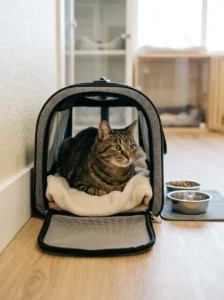
If you’re traveling with your cat or using a boarding facility, it’s worth being particularly attentive to appetite during this period specifically, since travel and unfamiliar environments are common appetite-suppressing stressors. Communicating clearly with any boarding facility or pet sitter about monitoring food intake, and providing specific guidance on when to contact you or a vet if your cat isn’t eating, helps ensure this genuinely time-sensitive symptom doesn’t go unnoticed during a period when you’re not directly observing your cat yourself.
Distinguishing Pickiness From Genuine Illness-Related Appetite Loss
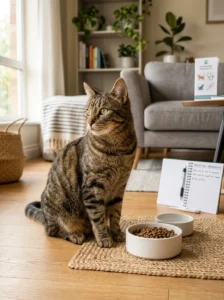
This distinction genuinely matters for knowing how to respond appropriately. Picky-eating-related disinterest typically shows a cat who’s otherwise completely normal — playful, alert, using the litter box normally, perhaps even showing interest in food but turning away after a sniff. Illness-related appetite loss more often comes paired with other changes — lethargy, hiding more than usual, or other symptoms covered in our signs your cat is sick guide. When in doubt, especially given the genuine stakes involved, erring toward treating it as a potential medical concern rather than assuming pickiness is always the safer approach.
Working With Your Vet on a Long-Term Picky Eater
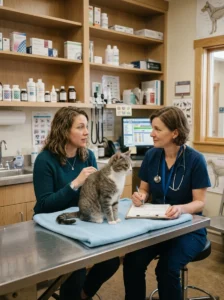
If you have a cat who’s a genuinely difficult, chronic picky eater even at baseline (separate from any acute appetite loss episode), this is worth a dedicated conversation with your vet, since chronic pickiness can sometimes complicate the urgency assessment during a genuine illness — knowing your cat’s normal “fussy but eventually eats” pattern helps you and your vet distinguish a worse-than-usual fussy stretch from a genuinely concerning, complete refusal to eat.
Appetite Stimulants and Other Vet-Directed Options

For cats with a genuine, persistent appetite issue under veterinary care, your vet may discuss options like prescription appetite stimulants, anti-nausea medication if illness is contributing to reduced eating, or in more involved cases, temporary assisted feeding methods. These approaches should always come directly from your vet based on an actual diagnosis, rather than attempted independently, given how much the appropriate response depends on the specific underlying cause.
Keeping Multiple Food Options on Hand for Cats Prone to Pickiness
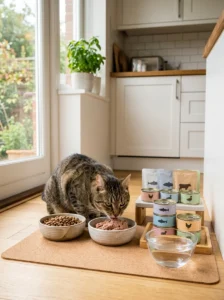
If your cat has shown a pattern of picky eating in the past, keeping a small variety of vet-approved food options on hand — different textures, flavors, or formats — means you’re prepared to try alternatives quickly if your usual food is suddenly refused, rather than needing to make an emergency store run during a period when prompt eating genuinely matters.
A few quick answers: How long can a cat safely go without eating — Given the liver risk covered throughout this guide, more than 24-48 hours without eating is generally considered a point requiring veterinary attention, sooner for overweight cats specifically.. Is it normal for a cat to be a picky eater in general — Some degree of food preference and selectivity is normal cat behavior, but a sudden, significant change in a previously reliable eater’s appetite is different from baseline pickiness and warrants more attention.. Can stress alone cause a cat to stop eating entirely — Yes, significant stress can affect appetite, though it’s still important to monitor closely and not assume stress is the cause without ruling out other possibilities, especially if the reduced eating persists beyond a day or so.. Should I switch foods if my cat seems uninterested in their current food — This can be reasonable to try, following the gradual transition principles that apply across species, though if disinterest persists across multiple food options or is accompanied by other symptoms, this points toward something beyond simple food preference..
That scare with Coco taught me a genuinely important lesson about not applying dog-centric assumptions to cat health situations — what would be a minor, low-concern moment with Bruno needs real urgency with a cat. If you’re noticing reduced appetite in your own cat, I’d encourage erring on the side of contacting your vet sooner rather than later, given how much this specific symptom differs in urgency between the two species.
For more on cat health, our guides on signs your cat is sick and how often to feed an adult cat are excellent next reads.