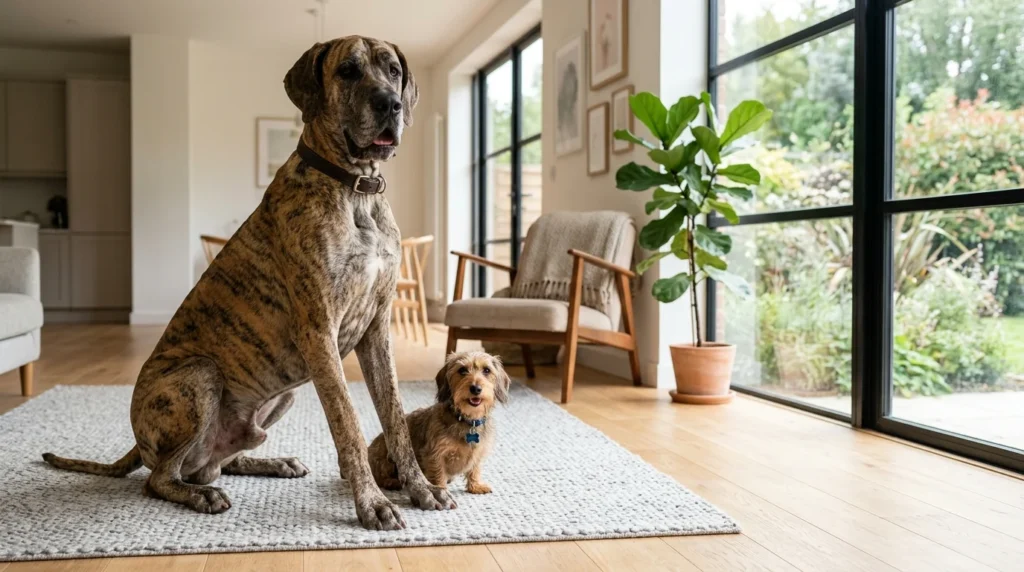
A common misconception I run into often, including from people considering a dog for the first time, is the assumption that small size automatically means apartment-suitable, and large size automatically rules a breed out. Having spent time around plenty of dogs in apartment settings through friends and neighbors, the reality is genuinely more nuanced than that simple size-based assumption.
(I’m an experienced dog owner, not a behaviorist or breeder. Breed tendencies offer useful general guidance for apartment suitability, but individual dogs vary, and meeting a specific dog (rather than relying purely on breed reputation) gives the clearest picture of fit for your specific apartment situation.)
What Actually Matters for Apartment Suitability
Before getting into specific breeds, it’s worth understanding the real factors at play, since size alone is a surprisingly poor predictor.
Energy level relative to what you can provide. A high-energy breed can do fine in an apartment if you’re genuinely committed to providing substantial daily exercise outside the home, while a lower-energy breed might still struggle if its more moderate needs aren’t being met even within a more spacious home.
Noise tendencies. Vocal breeds can create genuine friction with apartment neighbors, making this arguably more important than size for many apartment situations.
Indoor energy and destructiveness when under-stimulated. Some breeds are naturally calmer indoors regardless of their outdoor energy needs, while others struggle with the confined space if their exercise needs aren’t fully met.
French Bulldog

Covered in detail in our dedicated breed guide, French Bulldogs are frequently recommended for apartment living given their compact size, generally moderate exercise needs, and adaptable temperament — though their heat sensitivity and breathing considerations remain important regardless of living situation.
Bichon Frise
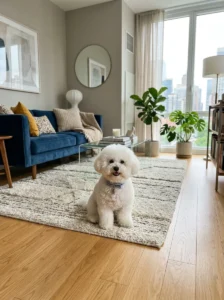
Small, generally low-shedding (though grooming-intensive), and known for an adaptable, cheerful temperament, Bichon Frises tend to do well in apartment settings, though their tendency toward vocalization is worth knowing about and managing through training.
Greyhound
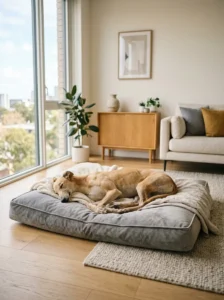
This might surprise people unfamiliar with the breed, but Greyhounds are often cited as surprisingly well-suited to apartment living despite their large size, given their famously low indoor energy level — frequently described as enjoying brief bursts of intense activity followed by long periods of restful lounging, sometimes called “45 mph couch potatoes” by enthusiasts of the breed.
Cavalier King Charles Spaniel

Generally affectionate, adaptable, and moderate in their exercise needs, Cavaliers tend to do well in apartments, forming close bonds with their owners and generally showing less destructive or excessively vocal tendencies than some other small breeds.
Pug
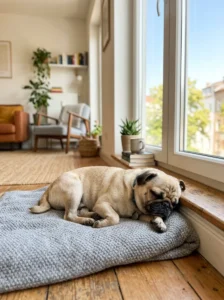
Pugs, another brachycephalic breed sharing some considerations with French Bulldogs, tend to have lower exercise needs and an adaptable, affectionate temperament suiting apartment life, though the same heat sensitivity and breathing considerations relevant to flat-faced breeds apply here too.
Basset Hound
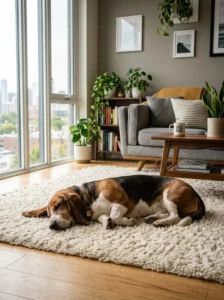
Despite their substantial size, Basset Hounds are generally low-energy indoors, known for a laid-back, easygoing temperament that suits apartment living reasonably well, though their tendency toward vocalization (a deep, distinctive bay) is worth considering relative to your specific apartment’s noise tolerance and neighbor proximity.
Shih Tzu

Small, generally adaptable, and not typically known for excessive energy, Shih Tzus tend to do well in apartment settings, though their coat requires significant regular grooming maintenance regardless of living situation.
Why Some Small Breeds Aren’t Automatically Apartment-Ideal
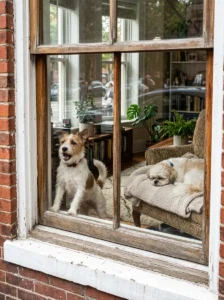
It’s worth specifically addressing this, since the size assumption is so common. Some small breeds, including certain terriers, can be quite vocal and high-energy despite their compact size, sometimes making them more challenging in close-quarters apartment living than their size alone would suggest. This isn’t to say these breeds can’t work in apartments with committed exercise and training, but it challenges the oversimplified assumption that small automatically equals easy apartment fit.
Making a Larger Breed Work in an Apartment

If you’re drawn to a larger breed despite apartment living, it’s not automatically off the table, provided a few things align: genuine commitment to substantial daily outdoor exercise to compensate for limited indoor space, research into the specific breed’s actual indoor energy level (which, as the Greyhound example shows, doesn’t always correlate predictably with size), and honest assessment of whether your specific apartment and building (including any breed or size restrictions in your lease) can practically accommodate a larger dog.
Apartment-Specific Training Considerations
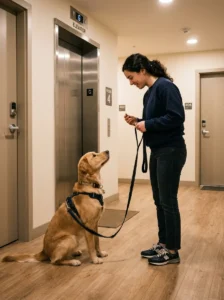
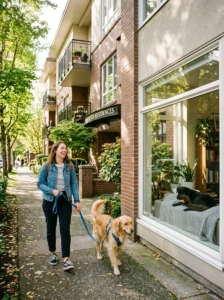
Beyond breed selection, a few training priorities matter particularly for apartment living: solid leash manners for navigating shared hallways and elevators, covered in our leash training guide; reasonable noise management, since barking has more direct consequences for neighbor relations in close-quarters living; and house training reliability, given that quick access to an appropriate bathroom spot may involve more logistics (elevators, stairs, longer walks to an appropriate area) than a house with direct yard access.
Checking Your Specific Building’s Policies

Beyond breed temperament considerations, it’s worth remembering that some apartment buildings have specific breed or size restrictions, sometimes related to insurance policies rather than genuine behavioral concerns about specific breeds. Confirming your building’s actual policies before falling in love with a specific breed avoids the disappointment of an otherwise great match being ruled out by building-specific restrictions unrelated to the breed’s actual apartment suitability.
Vertical Living: Stairs and Elevator Considerations

Beyond general apartment suitability, it’s worth thinking specifically about your building’s vertical access — whether you’re navigating stairs or relying on elevators for every outdoor trip. This particularly matters for breeds with any joint sensitivity or breathing considerations (like the brachycephalic breeds covered in our French Bulldog guide), where frequent stairs might pose more strain than a similar breed living in a ground-floor or elevator-accessible unit. Senior dogs of any breed, covered more broadly in our joint health guide, also deserve this consideration if your apartment involves significant stair access.
Balcony and Outdoor Space Safety Considerations
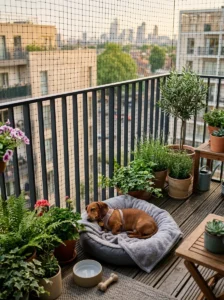
If your apartment includes a balcony or other elevated outdoor space, this deserves specific safety attention regardless of breed — ensuring adequate barriers to prevent falls, particularly relevant for smaller breeds who might fit through railings not originally designed with pet safety in mind, and being mindful of any plants or items on balconies that could pose risks if a curious dog has access to this space unsupervised.
Building Community and Neighbor Relations

Beyond your dog’s individual needs, apartment living with a dog often involves an ongoing relationship with neighbors and building community that’s worth actively managing. Being responsive to any neighbor concerns about noise or shared space use, keeping common areas clean of any accidents, and generally being a considerate pet-owning neighbor all contribute to a smoother experience that benefits both your own situation and the broader perception of pet owners within your specific building or community.
Crate Training’s Role in Apartment Living
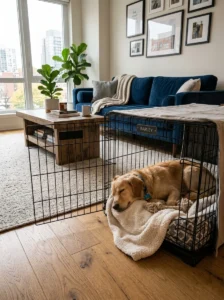
Given the closer quarters typical of apartment living, crate training, covered in our dedicated guide, often takes on particular practical value — providing your dog a genuine den-like retreat space within a smaller overall living area, and offering a management tool during situations like maintenance visits, deliveries, or simply needing a controlled space during a busy moment. Many apartment-dwelling dog owners find a properly introduced, positive crate routine genuinely enhances rather than restricts their dog’s comfort within a smaller living space.
Managing Visitor and Delivery Interactions in Apartments

Apartment living often means more frequent encounters with delivery personnel, maintenance staff, and visitors passing through shared hallways than a standalone house might involve. Training your dog for calm behavior during these frequent interactions — whether through solid leash manners for hallway encounters or appropriate behavior when someone knocks or enters for a maintenance visit — becomes particularly relevant given how much more frequently these situations arise in apartment living compared to many house-based living situations.
Researching Pet-Friendly Apartment Features Beyond Basic Policies

Beyond simply confirming pets are allowed, some apartment buildings offer features that genuinely support dog ownership — nearby dog parks or pet relief areas, pet washing stations, or simply a building layout that makes frequent trips outside more convenient. If you’re searching for apartment housing specifically with dog ownership in mind, factoring in these amenities, beyond just basic pet policy approval, can meaningfully improve your day-to-day experience with whatever breed you ultimately choose.
Adjusting Your Routine Around Building-Specific Quiet Hours

Many apartment buildings have designated quiet hours, which is worth factoring into your dog’s routine, particularly around barking management and timing of more vigorous indoor play or training sessions. Being proactive about this — perhaps scheduling more energetic activities during hours when noise is less likely to disturb neighbors, and being particularly attentive to barking triggers during designated quiet periods — helps maintain good neighbor relations while still meeting your dog’s genuine exercise and engagement needs at other times throughout the day.
A few quick answers: Is it unfair to keep a large dog in an apartment — Not inherently, provided the dog’s actual exercise and space needs are being met through consistent outdoor activity — indoor space alone isn’t the only factor in a dog’s overall wellbeing and quality of life.. What’s the biggest mistake people make when choosing an apartment dog — Assuming size alone determines suitability, without researching actual energy level, noise tendencies, and indoor temperament, which often matter more than size for genuine apartment compatibility.. Do apartment dogs need less exercise than dogs in houses with yards — No — exercise needs are driven by the individual dog’s breed and energy level, not their living situation. An apartment dog typically needs the same exercise as the same breed would need in a house, just provided more deliberately through walks and outings rather than casual yard access.. Can I make a high-energy breed work in an apartment if I’m genuinely committed to exercise — Often yes, provided you’re realistic and consistent about that commitment — many high-energy breeds do perfectly well in apartments when their owners genuinely provide adequate daily exercise, though this requires more deliberate effort than a house with direct outdoor access might allow..
Choosing a breed for apartment living genuinely benefits from looking past simple size assumptions toward the factors that actually predict success — energy level, noise tendencies, and your own realistic capacity to meet a specific breed’s needs within your living situation. Whatever breed you’re considering, honest research into these specific factors will serve you better than relying on size alone as a proxy for apartment suitability.
For related guidance, our guides on choosing the right breed for your lifestyle and small dog breeds are excellent next reads.