Rottweilers carry a reputation that, in my experience talking with owners and researching this breed, doesn’t always reflect their actual typical temperament when properly bred, socialized, and trained. This is a breed where I think separating myth from reality genuinely matters, both for prospective owners making an informed decision and for the breed’s broader reputation.
(I’m an experienced dog owner, not a breeder or veterinary professional. This reflects general breed information — given this breed’s substantial size and strength, thorough socialization and training (often with professional guidance) genuinely matter, and a vet or breed-specific rescue can offer guidance tailored to a specific dog.)
Rottweiler Temperament

Rottweilers were originally developed as versatile working dogs, used for herding livestock and pulling carts, later becoming popular in police, military, and protection work given their combination of strength, intelligence, and trainability. Properly bred and socialized Rottweilers are typically loyal, confident, and affectionate with their family, often described by experienced owners as having a calm, steady temperament rather than the aggressive stereotype sometimes portrayed in media or popular imagination.
Common temperament traits:
⦁ Loyal and deeply bonded to their family, often described as having a strong protective instinct toward people they consider their own
⦁ Generally confident and self-assured, rather than naturally anxious or reactive
⦁ Intelligent and trainable, responding well to consistent, positive training approaches
⦁ Can be reserved or watchful around unfamiliar people, requiring thorough socialization to develop appropriate behavior
⦁ Often described as having a playful, sometimes goofy side within their own family, contrasting with their more serious public reputation
Addressing the Aggression Myth Directly
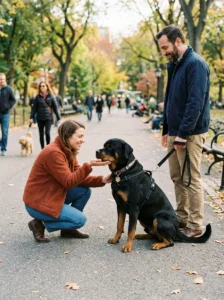
This deserves direct, honest treatment rather than dancing around the topic. Rottweilers, like several other large, powerful breeds, have faced disproportionate media attention around incidents, contributing to a reputation that doesn’t reflect the temperament of most individual, well-raised dogs of this breed. Aggression in any dog, regardless of breed, relates significantly to genetics, socialization, training, and individual circumstances — not breed alone as a determining factor. That said, given their substantial size and strength, a poorly socialized or trained Rottweiler does pose genuine risk if protective or defensive behavior isn’t appropriately managed, which is exactly why the socialization and training emphasis throughout this guide matters so significantly for this specific breed.
Why Socialization Is Non-Negotiable for This Breed

Given their natural watchfulness and protective tendencies, thorough, early, and ongoing socialization is essential, not optional, for Rottweilers. Our puppy socialization guide covers the general framework, though for this breed specifically, exposure to a wide variety of people, environments, and situations during the critical socialization window deserves particular priority, given how much this shapes whether their natural watchfulness develops into appropriate discernment versus problematic wariness or reactivity.
Exercise Needs

Rottweilers are a moderately to highly active breed, requiring regular exercise to stay physically and mentally satisfied, reflecting their working heritage. Most adult Rottweilers benefit from at least 45-60 minutes of exercise daily, combined with mental engagement through training, which this intelligent breed genuinely benefits from throughout their life, not just during initial training phases.
Training: A Breed That Genuinely Needs It

Rottweilers are highly trainable, but given their size, strength, and natural protective tendencies, consistent, structured training is particularly important, not just for good manners but for genuine safety management given their physical capability. Positive reinforcement methods, covered throughout our training guides, work well with this breed, and many experienced Rottweiler owners recommend professional training support, particularly for first-time owners of this specific breed.
Grooming Needs

Rottweilers have a short, dense double coat that’s relatively low-maintenance in terms of brushing frequency, though they do shed, particularly during seasonal coat changes. Weekly brushing generally manages this well, alongside standard nail, dental, and ear care.
Common Health Considerations

Hip and elbow dysplasia, a significant concern given their size and build, covered in detail in our hip dysplasia guide.
Certain cancers, with some studies suggesting elevated risk in this breed, making regular veterinary checkups and prompt attention to any unusual symptoms particularly important.
Heart conditions, including specific conditions that responsible breeders typically screen for in breeding stock.
Bloat risk, given their deep-chested build, relevant to the feeding practice considerations covered in our feeding schedule guide.
Rottweilers and Families

Within their own family, well-socialized Rottweilers are typically affectionate, loyal, and often genuinely gentle, frequently described by owners as surprisingly patient and tolerant with children they’ve grown up around. That said, given their size, strength, and protective instincts, supervision with children remains important, alongside the thorough socialization emphasized throughout this guide, particularly regarding interactions with unfamiliar children and visitors.
Choosing a Responsible Breeder or Rescue

Given the genuine importance of temperament in this breed, working with a responsible breeder who prioritizes stable temperament alongside health screening, or a breed-specific rescue with genuine experience assessing individual dog temperament, matters significantly more than it might for breeds with less consequential variation in protective or defensive tendencies.
Legal and Insurance Considerations

Similar to other breeds sometimes associated with protective or guarding reputation, Rottweilers may face breed-specific legislation in some areas, and homeowner’s insurance policies sometimes include specific restrictions or considerations for this breed. Researching your specific local regulations and insurance implications before committing to this breed is a responsible, practical step worth taking early in your decision process.
The Rottweiler’s German Working Heritage in More Detail

Beyond the brief mention earlier, Rottweilers trace their working lineage back to Roman cattle-driving dogs, later refined in the German town of Rottweil, where they were used for driving cattle to market and pulling carts for butchers, which is part of how the breed earned its modern name. This deep working heritage, combining herding, guarding, and draft work, explains the breed’s combination of physical strength, intelligence, and natural protective instinct that continues to define the modern Rottweiler temperament centuries later.
Rottweilers and Bite Inhibition Training

Given their substantial jaw strength and size, bite inhibition training during puppyhood deserves particular emphasis for this breed, building on the general principles covered in our puppy training guide. While typical puppy mouthing is normal and expected across all breeds, consistently and patiently teaching appropriate bite pressure control during this developmental window carries particular long-term safety significance for a breed capable of such substantial bite force as an adult.
Common Misperceptions From Media Portrayal

Beyond the general aggression myth addressed earlier, Rottweilers have specifically suffered from sensationalized media coverage of isolated incidents, often without the broader context of how those specific dogs were raised, socialized, or managed. This pattern of coverage has affected several large, powerful breeds similarly, and understanding that media attention doesn’t necessarily reflect typical breed temperament or actual comparative risk statistics helps prospective owners make decisions based on genuine research rather than sensationalized impressions.
Rottweilers in Working and Service Roles Today

Beyond companion and protective roles, Rottweilers continue serving in various working capacities, including search and rescue, therapy work (when individual temperament suits this gentler role), and some police and military applications, reflecting the genuine versatility and trainability that defines this breed beyond just guarding-related reputation. This continued working application further demonstrates the trainable, capable temperament that well-bred, properly socialized Rottweilers genuinely possess.
Building a Realistic Picture of Daily Life With a Rottweiler

To make the considerations covered throughout this guide more concrete, daily life with a well-trained, properly socialized adult Rottweiler often looks remarkably similar to life with any other large, loyal companion breed — regular exercise, consistent household routines, genuine affection and bonding with family members — with the main differences being the more significant upfront investment in socialization and training during the developmental period, and ongoing awareness of their size and strength in managing interactions with unfamiliar people or situations.
A Note on Rottweiler Puppy Selection

If you’re pursuing a Rottweiler puppy from a breeder, observing the puppy’s parents (particularly the mother, since she’s typically more present during breeder visits) can offer genuine insight into likely adult temperament, since temperament has meaningful heritable components alongside the environmental factors of socialization and training. A breeder willing to let you spend time observing parent dogs’ interactions with people, and who can speak knowledgeably about their breeding line’s typical temperament, generally reflects a more thoughtful, responsible breeding approach than one unable or unwilling to provide this kind of transparency.
Why Ongoing Training Matters Throughout a Rottweiler’s Life
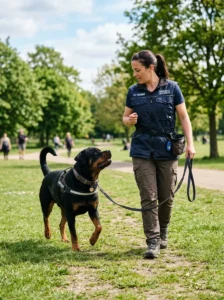
Unlike some breeds where basic puppy training might suffice for a generally well-mannered adult, Rottweilers benefit from continued training engagement throughout their life, not just during the initial puppy and adolescent period. This ongoing engagement helps maintain the consistent structure and mental stimulation this intelligent breed genuinely benefits from, while also providing regular opportunities to reinforce appropriate behavior around new people, situations, and environments as the dog matures, rather than assuming early training alone permanently establishes appropriate lifelong behavior without any continued reinforcement.
Rottweiler History Beyond Modern Working Roles

Rottweilers have a genuinely ancient working history, with origins tracing back to Roman cattle-driving dogs, later developing in the German town of Rottweil into the breed recognized today, historically used for herding livestock and pulling carts laden with butchered meat to market — work requiring genuine strength, endurance, and a steady, reliable temperament. This long working history, predating their more recent association with protection and police work, reflects a breed genuinely developed for versatile, demanding physical labor alongside close human cooperation, which helps explain the combination of physical capability and trainable temperament that defines the modern breed.
Rottweilers and Their Distinctive Markings

The breed’s recognizable black coat with distinctive rust or mahogany markings isn’t just a visual identifier — these markings follow a specific, consistent pattern recognized across the breed standard, appearing above the eyes, on the cheeks, muzzle, chest, legs, and beneath the tail. While this is primarily an appearance consideration rather than a temperament factor, understanding the breed standard markings can help when researching breeders or simply appreciating the consistency bred into this distinctive, recognizable breed.
Rottweilers in Comparison to Other Large Protective Breeds

If you’re researching this breed alongside other large, naturally protective breeds covered in our guard dog guide, Rottweilers are sometimes described as having a somewhat calmer, more deliberate temperament compared to the higher general activity level of breeds like German Shepherds, though individual variation within any breed means this general comparison shouldn’t replace meeting and assessing specific individual dogs when making a final decision between these genuinely similar protective breed options.
Addressing Breed-Specific Legislation Directly

Given that Rottweilers are among the breeds sometimes specifically named in breed-specific legislation in various jurisdictions, researching your specific local laws — not just general regional regulations, but sometimes city or even neighborhood-specific homeowner association rules — deserves real diligence before committing to this breed, since regulations can vary significantly even within a relatively small geographic area, and discovering a restriction after bringing home a puppy creates a genuinely difficult situation worth avoiding through upfront research.
A few quick answers: Are Rottweilers naturally more dangerous than other large breeds — Not inherently — behavior relates significantly to individual genetics, socialization, and training rather than breed alone, though their substantial size and strength mean any behavioral issues carry more significant consequences than they might in a smaller breed, making proper management particularly important.. Are Rottweilers good for first-time dog owners — Generally not recommended for most first-time owners, given the genuine commitment to thorough socialization and consistent training this breed requires, alongside their substantial size and strength — our guide to best breeds for first-time owners covers more suitable starting options.. Do Rottweilers do well with other pets — This varies by individual dog and depends significantly on socialization and introduction process, similar to other breeds with natural protective or guarding tendencies, covered more broadly in our guarding breeds guide.. How long do Rottweilers typically live — Average lifespan is generally shorter than many breeds, often cited around 8-10 years, partly related to their larger size and some breed-specific health predispositions covered throughout this guide..
Researching this breed and talking with experienced Rottweiler owners has given me real appreciation for how much the popular media reputation diverges from the loyal, often genuinely affectionate temperament most well-raised, properly socialized Rottweilers actually display. If you’re considering this breed, I’d encourage genuine commitment to thorough socialization and training, ideally with professional support, rather than assuming appropriate temperament will develop without that deliberate investment.
For related guidance, our guides on guard dog breeds and puppy socialization are essential next reads.