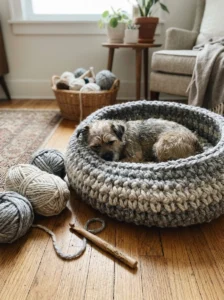
Myth time. Handmade beds are lumpy, uneven, and not nearly as comfy as the ones on a pet store shelf. I believed that for years. Then I crocheted my first oversized blanket-style bed for my terrier mix, Pepper, and she abandoned her fifty-dollar bolster within a week. A crochet dog bed has a texture and squish that factory beds rarely match. And you pick the yarn, the size, and the colors.
Why a Crochet Dog Bed Can Beat the Shelf Version
Store beds are built for shipping and shelves. Yours is built for one specific dog.
You control the thickness. Chunky yarn worked with a big hook makes a dense, squishy fabric that holds warmth. You control the size, too, so a lanky greyhound doesn’t end up hanging off the edge of a “large” that was really medium.
And you control the washability. Choose machine-washable acrylic or a cotton blend, and cleanup is a toss in the laundry. Skip wool unless you’re happy hand-washing, because it can felt and shrink.
One more thing. Crochet stitches create tiny air pockets, and some dogs find that texture extra cozy to curl into. Not every dog agrees, but plenty do.
The Ten Patterns
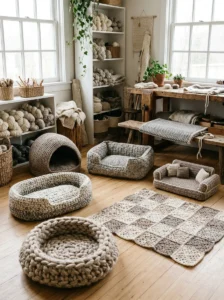
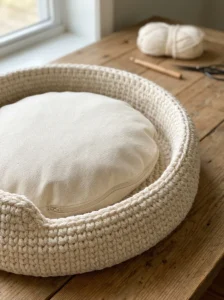
1. The chunky round nest. Worked in spirals from the center out. It’s the classic beginner project, and it’s mostly single crochet, so you can do it while watching TV.
2. The blanket-and-bolster combo. A flat square with a long rolled tube along one edge. Your dog gets a pillow, and you get two simple pieces instead of one tricky one.
3. The granny square mat. Make a pile of squares, join them, done. This one’s perfect for scrap yarn, and it looks charming in a farmhouse sort of way.
4. The oval cuddler. Great for dogs who stretch out. You work in rounds, but you add stitches at each end, so the shape stays long instead of round.
5. The cave hood bed. A round base with a half-dome hood on one side. Pepper’s favorite. Shy dogs and burrowers tend to love them. Stuff the hood lightly or work a tighter stitch so it doesn’t flop over.
Now a tip that surprised me. Crochet a washable inner liner, then slide a store-bought foam pad inside. You get the soft handmade look outside and real support underneath. And when the cover gets muddy, the foam stays clean.
6. The ribbed bolster bed. Work the sides in rows of ribbing so they stand up on their own. Takes patience. But the structured look is gorgeous.
7. The sofa-style bed. Three raised sides and an open front. It’s a bigger project, so plan a few weekends. Worth it if your dog likes leaning against something.
8. The braided rope bed. Crochet long tubes, braid them, then coil and stitch the braid into a round or oval. Looks like a cozy rope rug, and honestly it’s one of the sturdiest options here.
9. The T-shirt yarn bed. Cut old tees into strips, stretch them into yarn, and crochet with a big hook. Free material, thick fabric, and it’s heavy enough to stay put on a slippery floor.
10. The travel mat. A thin, flat rectangle that rolls up. It’s small, quick to make, and it gives your dog a familiar spot at the vet, in the car, or at a friend’s house.
Yarn Choices That Make or Break the Bed
Here’s where people trip up.
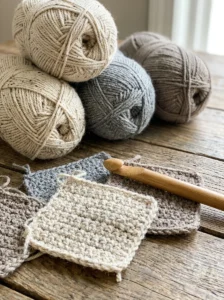
Pick tightly spun yarn if your dog has long nails. Loose, fluffy yarn snags and pulls apart. Cotton blends and sturdy acrylic hold up best, and they dry faster than wool.
Avoid anything with sequins, glitter, or fuzzy novelty fibers. They shed, they snag, and they’re not worth the risk.
Go tight with your stitches, too. A loose, open stitch can catch a toenail. I drop down a hook size when I’m working on dog beds, and the fabric turns out denser and tougher.
And think about color. Mid-tone yarns hide dirt and hair far better than white or black. Ask me how I know. Oatmeal and gray are the hero shades in my house.
Safety Check Before the First Nap
Handmade doesn’t mean carefree, so look it over.
Check for loose ends. Weave them in firmly, or better yet, tuck them deep inside the stuffing. Dangling yarn can tempt chewers.
Watch your dog the first few days. If they start pulling at stitches or eating yarn, take the bed away. Swallowed yarn can cause real trouble, and you’d want to call your vet right away.
Skip decorations. No buttons, no pom-poms, no plastic eyes. Plain and simple is safer.
And if your dog is a senior or has trouble getting comfortable, ask your vet whether a thicker, more supportive bed makes sense. A soft crochet cover won’t replace good support underneath.
Questions Crocheters Ask Me
How much yarn do I need?
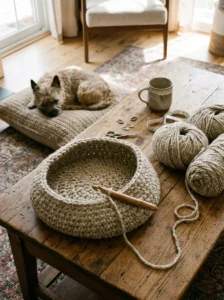
A medium bed usually takes around 800 to 1,200 yards of chunky yarn, depending on thickness. Buy an extra skein, because dye lots vary.
Can I wash it?
Yes, if you used machine-washable yarn. Zip it into a laundry bag, use a gentle cycle, and air dry or tumble low.
What’s the easiest pattern for a beginner?
The chunky round nest. Single crochet, no fancy shaping, and you’ll finish in a weekend.
So here’s your next step. Pick one pattern from the list, grab some sturdy yarn, and start with a small swatch. A crochet dog bed doesn’t need to be perfect. Your dog just needs it to be soft, warm, and yours. Which pattern are you making first? And if you want more cozy handmade ideas, my post on easy blanket projects for dogs is a good one to read next.