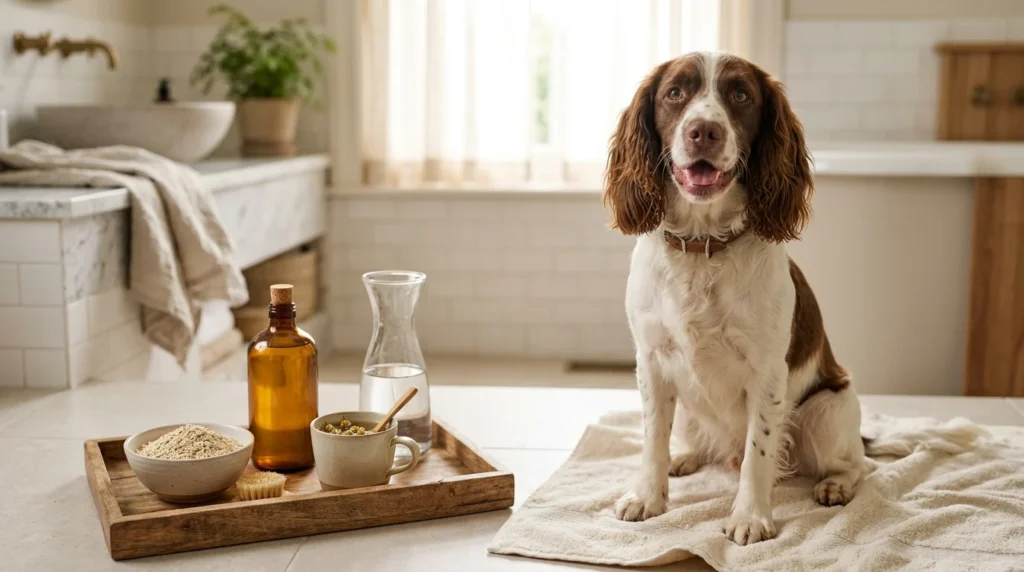
After trying several different deshedding products during Bruno’s first couple of shedding seasons — some genuinely effective, others that felt like marketing more than substance — I’ve developed real opinions about what’s actually worth the investment versus what doesn’t deliver meaningfully better results than a standard brush.
(I’m an experienced dog owner, not a professional groomer. This reflects personal experience and general comparison — individual dogs’ coats respond somewhat differently to different tools, so some experimentation may still be needed to find what works best for your specific dog.)
What Makes a Tool a “Deshedding Tool” Specifically
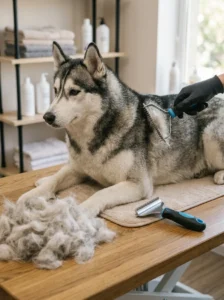
Unlike general brushes, deshedding tools are specifically designed to reach through the topcoat and remove loose undercoat efficiently, often featuring a fine-toothed edge or blade-style design that catches and pulls out dead undercoat hair without damaging the topcoat.
Undercoat Rakes
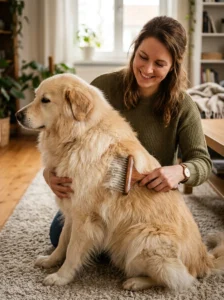
These feature two rows of slightly curved, widely-spaced teeth designed to reach deep into a double coat without pulling at the topcoat excessively.
Effectiveness: Genuinely useful, particularly for breeds with substantial undercoat. We’ve found this works well for general maintenance brushing, though it’s somewhat less intensive than dedicated deshedding blade tools for peak shedding season specifically.
Best for: Regular maintenance brushing for double-coated breeds, gentler than blade-style tools.
Blade-Style Deshedding Tools
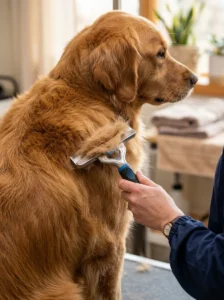
These feature a specifically designed metal edge that catches loose undercoat as you brush through the coat, often marketed under specific brand names with proprietary blade designs.
Effectiveness: This has genuinely been our most effective tool during Bruno’s peak shedding weeks — the amount of loose fur removed in a single session compared to a standard brush is dramatic and immediately visible. That said, technique matters significantly with this tool type — pressing too hard or using improper angle can cause discomfort or even minor skin irritation, so learning correct, gentle technique matters more here than with some gentler tool options.
Best for: Heavy seasonal shedding periods specifically, double-coated breeds.
Deshedding Shampoos and Conditioners
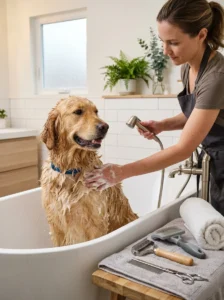
Marketed specifically to loosen undercoat during bathing, supposedly making subsequent brushing more effective.
Effectiveness: Honestly, modest at best in our experience — these products may offer some marginal benefit, but they’re not a substitute for actual mechanical brushing with an effective tool, and I wouldn’t prioritize this as a primary shedding management strategy.
Best for: A supplementary addition to an existing brushing routine, not a standalone solution.
Grooming Gloves

Worn like a glove with small rubber nubs, allowing you to “pet” your dog while actually removing loose fur.
Effectiveness: Mild to moderate — genuinely useful for dogs resistant to traditional brushing tools, or as a gentle, low-intensity option, but notably less effective than a dedicated blade-style tool for actually removing substantial undercoat during heavy shedding.
Best for: Dogs uncomfortable with more intensive tools, gentle daily maintenance, finishing touches after a more thorough brushing session.
Vacuum-Attachment Grooming Tools

A more recent product category combining a brushing attachment directly with vacuum suction, collecting loose fur directly rather than requiring separate cleanup.
Effectiveness: We haven’t used this category extensively ourselves, but based on what we’ve read and heard from other owners, results seem to depend heavily on the dog’s tolerance for the vacuum noise and sensation — some dogs adapt well, genuinely appreciating the immediate fur collection, while others find the experience too stressful to make this a practical regular option.
Best for: Dogs comfortable with vacuum noise, owners specifically wanting to minimize loose fur cleanup during the brushing process itself.
Professional Deshedding Treatments
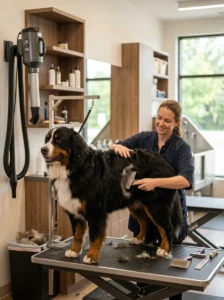
Offered by many groomers, typically combining a specialized shampoo treatment with thorough brushing and often a high-velocity dryer that helps blow out loose undercoat more thoroughly than home brushing alone can achieve.
Effectiveness: Generally quite effective, particularly as a periodic supplement to home brushing during peak shedding season — the combination of professional-grade tools and the high-velocity drying step achieves results that are genuinely harder to replicate at home.
Best for: A periodic boost during particularly heavy shedding periods, or for owners wanting professional-level results without managing the full process themselves.
What We’ve Actually Settled On
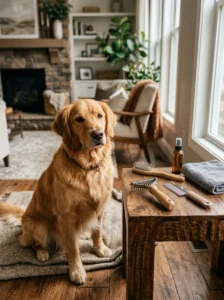
After trying most of these categories, our practical routine combines a blade-style deshedding tool for the most intensive sessions during peak shedding weeks, an undercoat rake for regular maintenance the rest of the year, and an occasional professional deshedding treatment during Bruno’s heaviest shedding period as a periodic boost. This combination has proven more effective than relying on any single tool alone.
Technique Matters as Much as Tool Choice
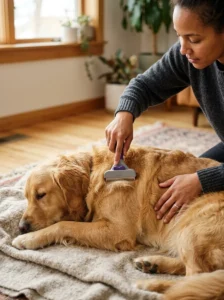
Regardless of which tool you choose, a few technique principles improve effectiveness across the board: working in the direction of hair growth, using appropriate pressure (firm enough to be effective, gentle enough to avoid discomfort), and working through the coat in manageable sections rather than rushing across the whole body in a way that might miss areas or use inconsistent technique.
Battery vs. Corded Deshedding Tools
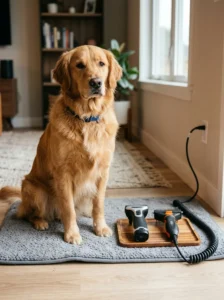
A practical consideration for blade-style and other powered deshedding tools: battery-operated versions offer convenience and portability, useful for grooming in different locations around the house or even outdoors, while corded versions typically offer consistent power without needing to monitor battery levels mid-session. Neither is universally superior — it largely comes down to your specific grooming setup and whether you tend to groom in one consistent spot near an outlet or prefer flexibility to move around.
Deshedding Tools and Skin Sensitivity Considerations

For dogs with known skin sensitivity, covered in our skin problems guide, more intensive deshedding tools like blade-style options may need to be used with extra caution or avoided in favor of gentler alternatives, since aggressive deshedding technique can potentially irritate already-sensitive skin. If your dog has a known sensitivity, starting with gentler tools and only progressing to more intensive options if genuinely necessary, with close attention to skin response, is the more cautious approach.
How Long a Quality Deshedding Tool Should Last
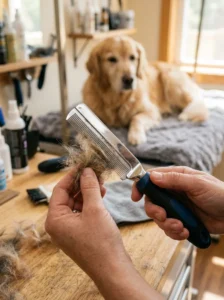
With proper care — regular cleaning, avoiding excessive force that could bend or damage the blade or teeth — a quality deshedding tool can last years of regular use. We’re still using the same blade-style tool we purchased early in Bruno’s life, several years later, which speaks to both the genuine durability of well-made tools and the value of investing reasonably in quality from the start rather than needing frequent replacement of cheaper alternatives.
Deshedding Tools for Different Life Stages

Puppy coats differ somewhat from adult coats, sometimes called a “puppy coat” that gets replaced by the adult coat during a transition period, typically occurring sometime in the first year. During this transition, gentler tools are generally more appropriate than intensive blade-style options designed for a mature double coat, since a puppy’s developing coat and more sensitive skin benefit from a softer approach during this specific transitional period. As your puppy matures into their adult coat, gradually transitioning to more intensive tools, if needed for their specific adult coat type, makes sense rather than starting with the most intensive option from the very beginning.
Combining Deshedding Tools With Overall Coat Health Support
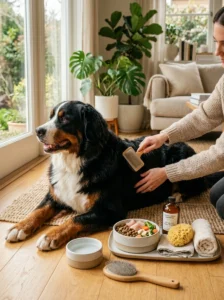
While this guide has focused specifically on mechanical tools, it’s worth remembering that deshedding tool effectiveness works best alongside broader coat health support — adequate nutrition, covered in our food label guide, and appropriate bathing frequency, covered in our bathing guide, all contribute to overall coat condition that affects how effectively any tool can actually work. A genuinely healthy coat tends to respond better to deshedding tools than one already compromised by inadequate nutrition or improper bathing habits, reinforcing that tool selection is one part of a broader coat-health picture, not a standalone solution.
Comparing Tool Effectiveness Across Different Double-Coated Breeds

While the general categories covered throughout this guide apply broadly to double-coated breeds, the specific density and texture of undercoat varies somewhat between breeds, meaning the exact tool that works best can differ slightly. Breeds with particularly dense, plush undercoat may benefit most from the more intensive blade-style tools covered earlier, while breeds with a somewhat less dense double coat might achieve good results with a gentler undercoat rake alone, without needing the most intensive tool category. If you’re trying to figure out the right tool for a specific breed not extensively covered in your own research, starting with a moderate option and adjusting based on actual observed effectiveness tends to work better than assuming the most intensive tool is automatically necessary for every double-coated breed.
A few quick answers: Are expensive deshedding tools genuinely better than budget options — Not always proportionally — some mid-range options perform comparably to premium-priced products, though very cheap options sometimes use lower-quality materials that don’t hold up well or work as effectively, making moderate investment generally worthwhile rather than going to either extreme.. How often should I use an intensive deshedding tool like a blade-style brush — During peak shedding season, several times weekly can be appropriate, though outside of heavy shedding periods, a gentler regular brush or undercoat rake for general maintenance is generally sufficient without needing the most intensive tool constantly.. Can deshedding tools damage a dog’s coat if used incorrectly — Yes, particularly blade-style tools used with excessive pressure or incorrect angle — learning proper technique, ideally by watching a demonstration video or asking your groomer to show you correct use, matters for avoiding this risk.. Do deshedding tools work on all coat types, or just double-coated breeds — They’re specifically most effective and most necessary for double-coated breeds with substantial undercoat — single-coated breeds generally don’t need this specific tool category, doing fine with standard brushes appropriate to their coat type instead..
Working through this trial-and-error process with Bruno’s shedding genuinely taught me that not all deshedding products deliver on their marketing promises equally — the blade-style tool and professional treatments have made a real, visible difference, while some other products we tried felt more like marginal additions than genuine solutions. If you’re building your own deshedding toolkit, I’d prioritize a quality blade-style tool and proper technique over chasing every specialized product on the market.
For related guidance, our guides on managing excessive shedding and best brushes for every coat type are excellent next reads.