I genuinely remember the confusion the first time Bruno came out of a bath, fully dried, and still had a noticeable odor within a day or two — I’d assumed bathing simply reset things to “clean” until the odor inevitably returned. It took some real troubleshooting (and a vet conversation) to understand that persistent odor surviving a bath usually points to a specific underlying cause, not just “needing a better shampoo.”
(I’m an experienced dog owner, not a veterinarian. Persistent odor despite proper bathing often warrants a vet visit to identify the specific underlying cause — this guide covers common possibilities to help you understand what might be happening, not a substitute for professional diagnosis.)
Why “Dog Smell” Returning Quickly Is a Useful Clue
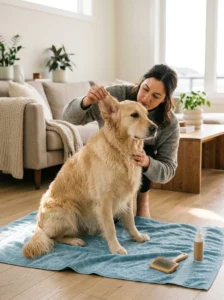
If odor returns within a day or two of a thorough bath, this timing itself is informative — it suggests the smell isn’t simply general dirt or environmental buildup (which a proper bath should resolve for longer), but more likely relates to an ongoing source: skin oil production, an ear issue, dental problems, or another specific cause actively generating odor rather than residual dirt that bathing should have fully addressed.
Ear Infections: A Common, Often-Overlooked Source
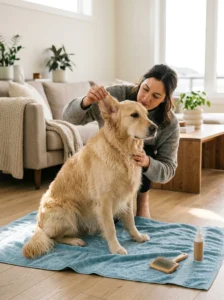
This was actually the answer for us once, during a period of recurring odor that puzzled me until our vet checked Mishi’s ears and identified a developing infection. Ear infections, covered in detail in our dedicated guide, often produce a distinctive odor that can affect how your dog smells overall, even though the source is localized to the ears rather than the coat or skin generally. If odor seems to follow your dog around generally but you can’t pinpoint a coat-related source, checking the ears specifically is worth doing.
Dental Disease and Bad Breath Contributing to Overall Odor
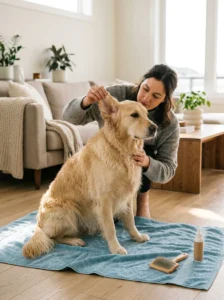
Significant dental issues, covered in our dental care guide, can contribute to an overall sense that your dog “smells bad,” even though the actual odor source is oral rather than related to skin or coat. This is particularly worth considering if the odor seems most noticeable when your dog is close to your face, or if you notice other dental warning signs like visible tartar or gum redness.
Skin Conditions and Infections
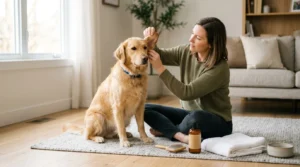
Various skin issues — yeast overgrowth, bacterial infections, or conditions related to allergies covered in our skin problems guide — can produce persistent odor that bathing alone doesn’t resolve, since the underlying skin issue continues generating odor-causing byproducts even after a thorough cleaning. Yeast-related odor in particular often has a distinctive, sometimes described as slightly sweet or musty, smell that’s worth learning to recognize.
Anal Gland Issues
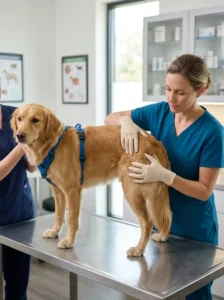
This is a topic that doesn’t come up in polite conversation often, but deserves mention given how directly it relates to persistent odor. Dogs have anal glands that can become impacted or infected, producing a notably unpleasant, distinctive odor. If you notice your dog scooting (dragging their rear along the ground), excessive licking of the area, or a particularly strong, specific odor seemingly coming from that area, this is worth a vet visit to address directly, often a relatively quick, straightforward fix once identified.
Diet-Related Odor

In some cases, what a dog eats can contribute to overall body odor, sometimes related to food intolerances or sensitivities affecting skin oil production, covered more broadly in our sensitive stomach guide. If odor seems to correlate with recent dietary changes, this connection is worth mentioning to your vet as part of the broader troubleshooting process.
Using the Wrong Shampoo or Insufficient Rinsing
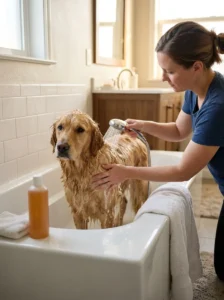
Sometimes the issue is more straightforward than an underlying medical cause — using a shampoo that doesn’t fully address your dog’s specific skin needs, or not rinsing thoroughly enough during the bath itself, leaving residue that can actually contribute to ongoing odor rather than resolving it. Revisiting your bathing technique, covered in our bathing guide, is worth doing before assuming a more significant underlying cause.
When Persistent Odor Warrants a Vet Visit
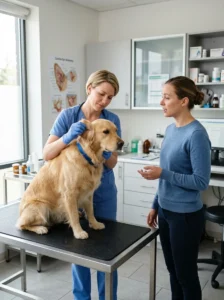
Given the range of potential causes covered in this guide, persistent odor that survives proper bathing genuinely warrants a vet visit if it doesn’t have an obvious, easily addressed explanation (like simply needing better rinsing technique). Your vet can examine ears, teeth, skin, and anal glands directly, identifying the actual source rather than you guessing at home through trial and error with different shampoos or bathing approaches.
A Systematic Approach to Troubleshooting at Home
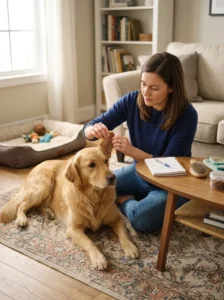
Before your vet visit, or while waiting for an appointment, a few things worth checking yourself:
1. Smell different areas individually — ears, mouth, paws, coat generally, and the rear area — to help narrow down whether odor is localized or general
2. Check for visible signs at each area — redness, discharge, swelling, or other obvious changes
3. Note timing — did odor develop suddenly, or gradually? Does it correlate with anything specific, like a recent diet change or a particular activity?
4. Bring this information to your vet visit, since specific, organized observations help your vet narrow down the likely cause more efficiently than a general “my dog smells bad” description alone.
Hormonal Causes of Persistent Odor
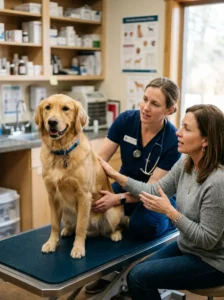
Beyond the causes already covered, certain hormonal imbalances, including thyroid conditions, can sometimes manifest partly through changes in skin oil production and associated odor, alongside other more commonly recognized symptoms like coat changes or weight fluctuation. If persistent odor coincides with other unexplained changes — energy level, weight, coat quality — this combination is worth specifically mentioning to your vet, since it may point toward an underlying hormonal cause rather than a more localized skin or ear issue alone.
Why Multiple Dogs Can Have Genuinely Different “Normal” Odor Baselines

With Bruno and Mishi, I’ve noticed their individual baseline scent, even when both are completely healthy and recently bathed, is genuinely somewhat different — not unpleasant, just distinct between them. Learning each dog’s individual normal baseline, rather than expecting both to smell identical, has made it easier to notice when something has actually changed for either of them specifically, rather than comparing one dog’s normal scent against the other’s as if they should match.
Building a Mental Odor Checklist During Regular Petting
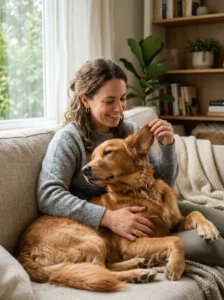
Beyond dedicated grooming sessions, I’ve found it useful to stay generally aware of how each dog smells during regular, casual interaction throughout the day — petting, cuddling, general closeness. This ongoing, informal awareness sometimes catches a developing issue earlier than waiting for a dedicated grooming session days or weeks later might, simply because you’re noticing changes in real time rather than only during scheduled check-ins.
When Odor Changes Suddenly vs. Gradually
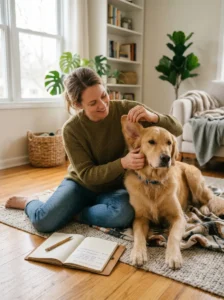
The pattern of change itself carries useful diagnostic information. A sudden, dramatic odor change often points toward an acute issue — a new ear infection, a recent skin injury, or sudden exposure to something they rolled in. A gradual change developing over weeks more often suggests something chronic developing slowly, like progressing dental disease or a slowly developing skin condition. Sharing this timing information with your vet helps narrow down likely causes more efficiently than a general “my dog smells different” description alone.
How Bathing Technique Itself Can Contribute to Odor Issues
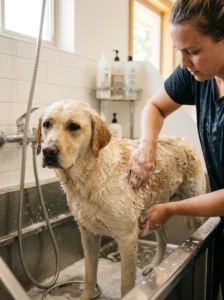
Beyond product choice covered earlier, the actual bathing technique can inadvertently contribute to persistent odor in ways worth understanding. Not allowing adequate time for shampoo to actually work before rinsing, using water that’s too cool to effectively lift oils and dirt, or not reaching certain harder-to-access areas (like the area around the tail base, or skin folds in breeds that have them) can all leave a bath less effective than it should be, contributing to odor returning faster than it would with more thorough technique.
The Role of Diet in Skin Oil Production

It’s worth circling back to diet specifically as it relates to odor, beyond the general food sensitivity connection mentioned earlier. Some dogs produce notably more skin oil on certain diets, sometimes related to fat content or specific ingredient sensitivities that don’t rise to the level of a diagnosed allergy but still affect overall skin oil production and associated odor. If you’ve ruled out the more common causes covered throughout this guide and odor persists, discussing your dog’s current diet specifically with your vet, including whether a diet trial might help, is a reasonable next step.
Keeping a Simple Odor and Symptom Log

If you’re dealing with a genuinely puzzling, recurring odor issue, keeping a brief log — noting when odor seems strongest, any correlation with specific activities or foods, and what you’ve already tried — can reveal patterns that aren’t obvious in the moment. This kind of organized tracking proved genuinely useful during our own troubleshooting process with Mishi’s ear infection, since it helped our vet quickly rule out several other possibilities based on the pattern we’d actually documented, rather than starting the diagnostic process from scratch with only a vague general description to work from.
A few quick answers: Is some level of “dog smell” just normal and unavoidable — A mild, generally clean-smelling presence is normal for most healthy dogs, but a notably strong, unpleasant, or unusual odor — especially one that survives a proper bath — typically indicates something specific worth investigating rather than being dismissed as inevitable.. Can certain breeds just smell stronger than others naturally — Some breeds and individual dogs do have somewhat stronger natural skin oil production, but this is different from a genuinely unpleasant or unusual odor, which typically points to one of the specific causes covered in this guide rather than simple breed variation.. How quickly should odor resolve once an underlying cause is treated — This varies by the specific cause — an ear infection or anal gland issue often resolves relatively quickly with appropriate treatment, while a more chronic skin condition might take longer or require ongoing management rather than a single quick fix.. Could persistent odor be related to stress or anxiety — This is less commonly discussed, but stress can sometimes affect a dog’s overall presentation in subtle ways; however, persistent physical odor more commonly points to one of the medical causes covered throughout this guide rather than purely psychological factors..
Learning to actually troubleshoot persistent odor systematically, rather than just assuming Mishi needed “a better bath,” led us directly to identifying and treating her ear infection that one time, resolving an issue that bathing alone never would have fixed. If your own dog’s odor persists despite proper bathing, working through the possibilities covered in this guide, then bringing organized observations to your vet, tends to identify the actual cause far more efficiently than continuing to experiment with different bath products at home.
For related guidance, our guides on dog ear infections and dental care are excellent next reads.