My neighbour Sam knocked on my door one evening looking wrung out. His old retriever, Maple, had just been diagnosed with diabetes. The vet had given him a feeding schedule, an insulin plan, and a long list of new rules. “I just want to cook for her,” he said, “but I’m scared of getting it wrong.”
I get it. So I did some digging and asked my own vet a lot of questions. Here’s what I learned about homemade dog food for diabetic dogs, plus nine simple ideas to take to your vet.
Read This First: Your Vet Runs the Show
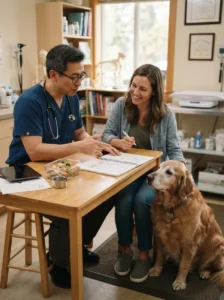
Diabetic dogs thrive on routine. Insulin doses, meal timing, and calories all work together, so a surprise change in food can throw things off. Never swap your dog’s diet on your own. Ask your vet or a veterinary nutritionist to approve any recipe before it reaches the bowl.
Homemade meals also aren’t automatically balanced. A nutritionist can help you add the right vitamins and minerals and set portions for your dog’s weight. And nobody online can tell you the right amount. Your vet can.
Many vets lean toward consistent meals, lean protein, and fiber-rich vegetables, and some dogs do well on that kind of plan. But every dog is different.
9 Recipe Ideas to Talk Through With Your Vet
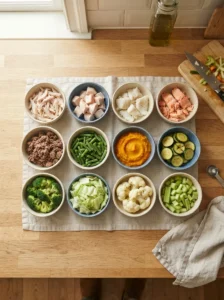
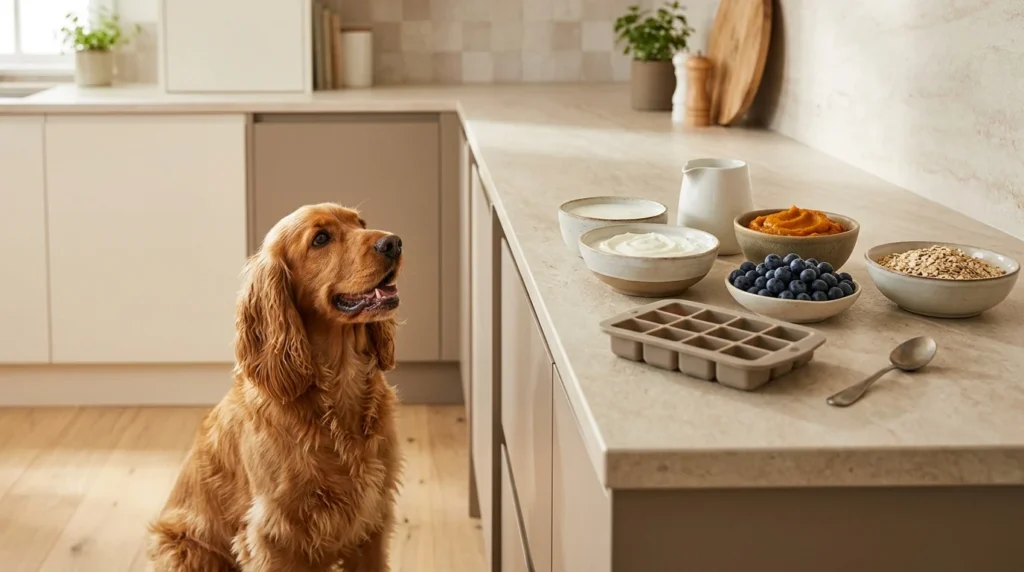
Keep everything plain. No salt, sugar, onion, garlic, or seasoning. Cook it all fully, and let it cool.
1. Turkey and Green Bean Bowl. Cook lean ground turkey until done, then mix with steamed, chopped green beans. Simple, and easy to portion.
2. Chicken and Pumpkin Mash. Boiled, shredded chicken breast with a spoonful of plain pumpkin puree. Never pie filling.
3. Egg and Zucchini Scramble. Cook an egg dry in a non-stick pan with finely grated zucchini. No butter or oil.
4. Baked Turkey Meatballs. Roll ground turkey with grated zucchini and bake until cooked through. They freeze well.
5. Cod and Broccoli Plate. Steamed boneless cod with a few tiny broccoli florets. Check for bones, and keep the broccoli small.
6. Salmon and Green Bean Flakes. Fully cooked, boneless, skinless salmon flaked over green beans. Never serve it raw.
7. Lean Beef and Cabbage Skillet. Brown lean beef, drain every bit of fat, and stir in finely chopped cooked cabbage.
8. Chicken and Cauliflower Rice. Pulse steamed cauliflower until it’s rice-sized and mix with shredded chicken. Ask your vet whether any grains belong in your dog’s bowl.
9. Salt-Free Chicken Veggie Soup. Simmer chicken, green beans, and celery in plain water. Cool, shred, and serve as a topper or small meal. No bones, no onion, and no stock cubes.
One more note. Skip fruit-heavy recipes, honey, syrup, and sweet treats. And check with your vet before adding carrots, sweet potato, or fruit, since they’re higher in natural sugar.
The Tip That Surprised Me

Here’s what Sam figured out in week one. Batch cooking isn’t just convenient. It’s how you stay consistent.
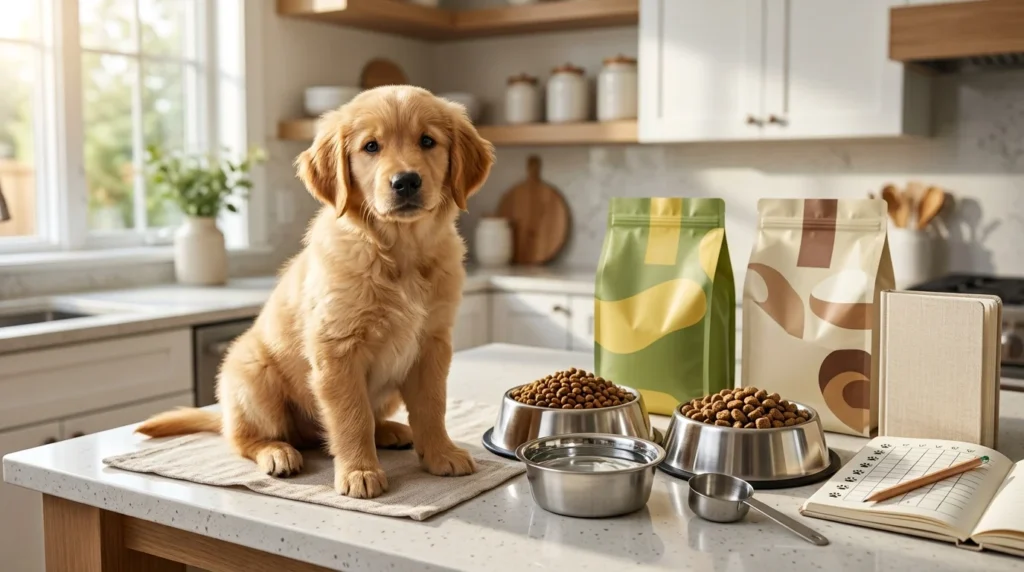
He cooks on Sunday, weighs each portion on a kitchen scale, and freezes them in labeled containers. Same food, same amount, same time every day. Maple’s meals are ready before the insulin routine starts.
Picture a Tuesday evening when everything goes wrong. The phone’s ringing, the kids are shouting, and dinner is a mess. A frozen, pre-weighed portion saves you from guessing. Thaw it in the fridge, never on the counter.
He also keeps a simple notebook. Date, food, portion, appetite, energy. If something changes, his vet has a clear record to work from.
A Real Example From Sam’s Kitchen
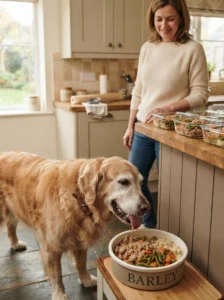
Sam’s first attempt was a heap of chicken and white rice. It looked lovely. His vet gently pointed out that he’d skipped the plan they’d agreed on, and the portions were guesswork.
They sat down together, and the vet suggested a lean-protein-and-veg setup with fixed portions. Sam tried the turkey and green bean bowl, then the meatballs. Maple wasn’t fussy. She cleaned the bowl and looked up for more. “I just needed rules,” Sam told me. “Once I had them, cooking felt calm.”
Mistakes and Warnings Worth Knowing

Changing a recipe without telling your vet. Even small swaps can matter.
Eyeballing portions. Use a scale.
Forgetting treats. They count toward the day’s food, so ask your vet which are suitable.
Skipping or delaying meals. Timing matters with insulin, so follow your vet’s schedule.
Using ingredients that aren’t dog-safe. Onion, garlic, grapes, raisins, chocolate, macadamia nuts, and xylitol are all off the table.
Ignoring changes. Unusual thirst, tiredness, vomiting, or a sudden appetite change? Call your vet straight away. Don’t wait for the next appointment.
And please store everything properly. Cooked food keeps in the fridge for about three days, and the rest goes in the freezer. If anything smells off, bin it.
Ready to Plan Homemade Dog Food for Diabetic Dogs?
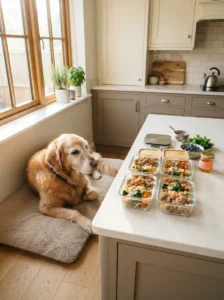
You don’t need to try all nine. Pick one or two ideas, print this list, and take it to your vet or a veterinary nutritionist. Homemade dog food for diabetic dogs works best when it’s boring, measured, and consistent. That’s not glamorous, but it’s what keeps mealtimes smooth.
Want an easy treat idea to ask your vet about next? Have a look at my post on three-ingredient pumpkin dog biscuits. And tell me: does your dog have a favorite lean protein?