Beagles have one of the most distinctive, instantly recognizable personalities among popular breeds, and having spent time around a neighbor’s Beagle who treats every walk as an investigative scent mission, I’ve come to genuinely appreciate how much their famous nose shapes nearly everything about their behavior and care needs.
(I’m an experienced dog owner, not a breeder or veterinary professional. This reflects general breed information and observations — a vet or breed-specific rescue can offer guidance tailored to a specific Beagle’s individual temperament.)
Beagle Temperament
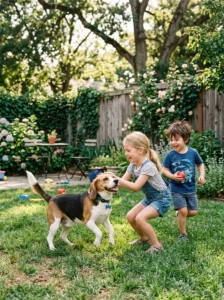
Beagles were developed as scent hounds, originally bred to track small game in packs alongside human hunters. This heritage profoundly shapes their modern temperament — Beagles are typically friendly, curious, and driven significantly by their sense of smell, sometimes to the point of becoming genuinely single-minded once they’ve caught an interesting scent.
Common temperament traits:
⦁ Friendly and sociable, generally good with people and other dogs, reflecting their pack-hunting heritage
⦁ Curious and scent-driven, often prioritizing investigation over other activities or even commands once engaged
⦁ Generally good with children, combining a sturdy build with a playful, patient temperament
⦁ Can be vocal, known for a distinctive bay or howl alongside regular barking
⦁ Occasionally stubborn during training, particularly when competing against an interesting scent
The Scent-Driven Instinct: What It Means for Daily Life
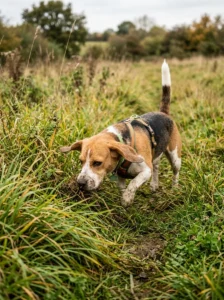
This is genuinely the most defining characteristic to understand before bringing home a Beagle. Their nose isn’t just a notable trait — it fundamentally shapes their behavior, sometimes overriding training or recall in the moment a compelling scent captures their attention.
Practical implications:
⦁ Recall training, covered in our ⦁ dedicated recall guide, deserves particularly thorough, patient attention with this breed, since their scent drive can be a genuinely significant distraction to work against
⦁ Secure fencing is especially important, since a Beagle following an interesting scent trail may not reliably respond to calling, even with otherwise solid training
⦁ Walks often benefit from allowing dedicated “sniff time,” since this isn’t just enrichment for a Beagle — it’s a core part of how they experience and process their environment
Exercise Needs
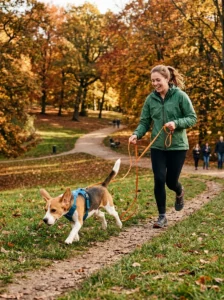
Beagles have moderate to high energy needs, requiring regular exercise to stay physically and mentally satisfied. Beyond simple physical activity, mental engagement through scent-based activities — like nose work games, scattering treats for them to find, or simply allowing thorough sniffing time during walks — genuinely matters for this breed’s overall satisfaction and behavioral wellbeing.
Training and Trainability
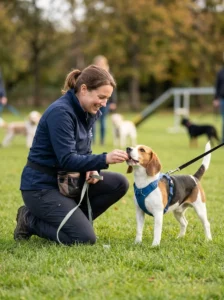
Beagles are intelligent but can be more independently minded than some breeds, particularly once a scent has captured their attention. This isn’t a reflection of lower intelligence, but rather a genuine competition between training engagement and a powerful natural instinct. Consistent, patient, high-value reward-based training, covered throughout our training guides, tends to work well with this breed, though owners should expect training to require more persistence than with some more naturally biddable breeds.
Vocalization: A Breed-Defining Trait Worth Understanding

Beagles are known for their distinctive vocalizations, including a unique baying sound used historically to communicate with hunters during a hunt. This vocal tendency persists in modern pet Beagles, meaning prospective owners, particularly those in apartments or close-quarters housing, should factor this in honestly. Our barking guide covers general management strategies, though some degree of vocalization is a genuine, largely unavoidable breed characteristic rather than purely a trainable-away behavior.
Grooming Needs
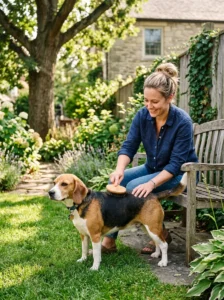
Beagles have a short, dense coat that’s relatively low-maintenance in terms of brushing, though they do shed consistently. Weekly brushing generally manages their shedding well, alongside standard nail, dental, and ear care — their floppy ears in particular benefit from regular checks given their structure, covered in our ear infection guide.
Common Health Considerations

Obesity, given their food motivation and tendency to gain weight if not carefully managed, reflecting a pattern similar to some other food-driven breeds covered elsewhere on our site.
Ear infections, given their floppy ear structure combined with their generally active, outdoor-engaged lifestyle.
Hip dysplasia, though somewhat less commonly discussed for this breed compared to larger breeds, still worth knowing about and discussing with your vet.
Epilepsy, with some documented elevated prevalence in Beagles compared to some other breeds, worth discussing proactively with your vet if your Beagle shows any unusual neurological symptoms.
Are Beagles Good for First-Time Owners?

This depends significantly on the prospective owner’s tolerance for their scent-driven independence and vocal tendencies. Beagles can be wonderful first dogs for owners who research and genuinely accept these breed-specific traits going in, but owners expecting an immediately, effortlessly obedient breed may find the Beagle’s independent streak more challenging than anticipated without that informed expectation.
Beagle Pack History and What It Means for Modern Pet Beagles
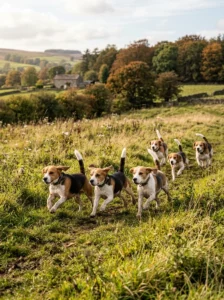
Beagles were traditionally worked in packs alongside other Beagles and human hunters, which helps explain their generally strong sociability with other dogs and their tendency toward vocal communication — both traits that made sense for coordinated pack hunting and continue to show up clearly in the modern companion Beagle’s temperament. This pack heritage is part of why many Beagles genuinely thrive with canine companionship, sometimes showing less contentment as an only dog compared to breeds with less pack-oriented working history.
Beagles and the “Beagling” Hobby
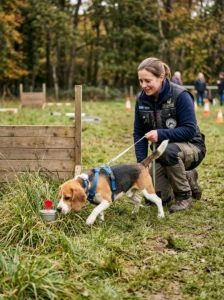
In some regions, organized Beagle-specific activities (sometimes called beagling, though regulations and ethical considerations around traditional hunting activities vary significantly by location) reflect the breed’s continued working heritage beyond companion roles. For pet Beagle owners not interested in traditional hunting activities, structured nose work classes or scent-based enrichment games offer a more accessible, ethically straightforward way to engage this breed’s powerful natural instinct in a modern companion context.
Managing Beagle Weight Given Their Food Motivation

Building on the obesity risk mentioned earlier, Beagles’ combination of strong food motivation and sometimes more moderate exercise tolerance compared to some other breeds means weight management deserves particular attention. The portion control and low-calorie treat strategies covered in our weight management guide apply with particular relevance to this food-driven breed, where the temptation to overfeed given their enthusiastic response to treats can be genuinely significant.
Beagles and Separation Anxiety

Given their generally social, pack-oriented nature, Beagles can be prone to separation-related stress if not gradually acclimated to alone time, similar to the broader principles covered in our separation anxiety guide. This social tendency, combined with their vocal nature, means a Beagle experiencing genuine separation distress might express it more audibly (through prolonged howling or barking) than some less vocal breeds would, which is worth factoring in for apartment or close-quarters living specifically.
Beagle Puppyhood: What New Owners Should Expect

Beagle puppies combine typical puppy energy with their breed-specific scent drive emerging notably early, often showing intense interest in following scent trails well before formal training has had a chance to establish reliable recall. This means puppy-proofing and secure containment deserve particular early attention with this breed, since a young Beagle puppy following an interesting scent can wander further and faster than their size might suggest, well before training has caught up to manage this powerful instinct.
Comparing Beagles to Other Scent Hounds
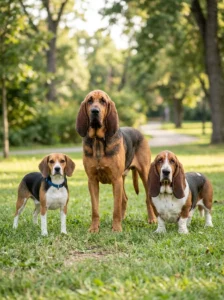
If you’re drawn to the Beagle’s scent-driven personality but considering alternatives, other scent hound breeds — like Bloodhounds or Basset Hounds, the latter covered briefly in our apartment living guide — share some similar scent-driven temperament traits, though each breed combines this instinct with its own distinct size, energy level, and specific care considerations worth researching individually rather than assuming uniform similarity across all scent hound breeds.
Beagles in Multi-Pet Households Beyond Other Dogs
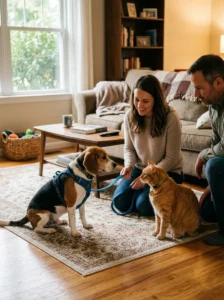
While Beagles generally do well with other dogs given their pack heritage, their strong scent and prey drive instincts mean introduction to smaller pets — particularly rabbits, rodents, or birds — deserves particular caution and careful, gradual management, since these instincts can override otherwise good general temperament when a genuinely compelling scent or movement trigger is present.
Why Beagles Are Sometimes Used in Research and Detection Work

Beyond their popularity as companions, Beagles’ combination of manageable size, generally sociable temperament, and exceptional scenting ability has historically led to their use in various working roles, including detection work at airports and borders for agricultural and other contraband, given how reliably their scent-driven nature can be channeled into genuinely useful, structured work. This working application further reinforces just how central scent-related instinct is to this breed’s fundamental nature, beyond simply being a notable personality quirk.
Setting Realistic Training Timeline Expectations
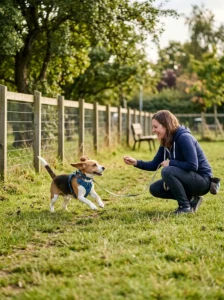
Given their independent, scent-driven tendencies, it’s worth setting realistic expectations that Beagle training, particularly recall reliability around scent distractions, may take longer and require more consistent, patient practice than with naturally more handler-focused breeds. This isn’t a reflection of the breed being less intelligent or trainable in a general sense — Beagles can learn commands and routines readily — but rather reflects the genuine, deeply ingrained competition between training engagement and their powerful instinctive scent drive, which deserves patient, realistic management rather than frustration when progress feels slower than with other breeds.
A few quick answers: Why do Beagles ignore commands sometimes, even with training — This often relates to their powerful scent drive temporarily overriding other engagement, rather than a lack of intelligence or training failure — working with, rather than against, this instinct (through scent-based training rewards and secure containment) tends to produce better results than expecting complete override of this deeply ingrained instinct.. Are Beagles good apartment dogs given their vocal tendencies — This requires honest consideration — their tendency toward vocalization can create genuine friction in close-quarters living, making this a breed where apartment suitability depends significantly on training consistency and your specific living situation’s noise tolerance.. How much exercise does a Beagle actually need — Generally at least 30-60 minutes of activity daily, ideally including dedicated sniffing or scent-engagement time, not just brisk walking alone, given how much mental satisfaction this breed derives from scent-based activity specifically.. Do Beagles do well with other dogs — Generally yes, reflecting their pack-hunting heritage — most Beagles are naturally sociable with other dogs, often doing well in multi-dog households..
Understanding the Beagle’s powerful scent drive as the central organizing trait of their personality — rather than viewing related behaviors as simple stubbornness or training failure — genuinely changes how effectively you can work with this breed’s natural instincts rather than against them. If you’re considering a Beagle, going in with realistic expectations about their independence and vocal tendencies sets up a much more satisfying relationship with this genuinely charming, characterful breed.
For related guidance, our guides on recall training and best breeds for families with young children are excellent next reads.