
Plain rice has probably saved us more stressful evenings than any other single food in our kitchen, mostly thanks to its role as the go-to bland diet component whenever Bruno or Mishi’s stomach needs a gentle reset. Beyond that specific use, I’ve also learned more generally about how carbohydrates like rice and pasta fit into a dog’s regular diet, which turned out to be more nuanced than I originally assumed.
(Worth noting upfront: I’m an experienced dog owner, not a veterinarian or nutritionist. This reflects general guidance — if your dog has diabetes, a weight management concern, or another condition affected by carbohydrate intake, check with your vet about appropriate amounts for your specific situation.)
Can Dogs Eat Rice?

Yes, plain, cooked rice is generally considered safe for dogs and is one of the most commonly recommended bland diet components for digestive upset, paired with a lean protein like plain chicken.
White rice is more easily digestible and lower in fiber, which is part of why it’s specifically favored for bland diet purposes during digestive upset — the lower fiber content is gentler on an already irritated digestive system.
Brown rice contains more fiber and nutrients than white rice, making it a reasonable choice for regular dietary inclusion in a healthy dog, though its higher fiber content makes it less ideal specifically for bland diet purposes during active digestive upset.
Can Dogs Eat Pasta?

Yes, plain, cooked pasta (without sauce, seasoning, garlic, onion, or cheese) is generally fine for dogs in moderation. It doesn’t offer significant unique nutritional benefit beyond being a carbohydrate source, and it’s not something most vets would specifically recommend adding to a dog’s diet, but an occasional small amount of plain pasta isn’t harmful for most healthy dogs.
What to avoid with pasta specifically: most pasta dishes humans eat come with sauces, seasonings, cheese, garlic, or onion — all things to leave out entirely if sharing pasta with your dog. The plain noodle itself is the only part that’s appropriate to share.
Why Rice Specifically Matters for Digestive Upset

The classic “bland diet” of plain boiled chicken and plain white rice is widely recommended by vets for dogs recovering from mild digestive upset, and understanding why helps explain its popularity:
Rice is easily digestible, putting minimal strain on an already upset digestive system compared to more complex or higher-fiber foods.
It’s bland and unlikely to cause further irritation, unlike richer or more heavily seasoned foods that could exacerbate existing digestive distress.
It pairs well with lean protein, creating a simple, balanced (though not nutritionally complete for long-term feeding) combination that’s gentle while a dog’s system recovers.
Our guide to dog diarrhea and guide to vomiting both reference this bland diet approach as a common, vet-recommended response to mild digestive upset.
From my experience: I always keep rice on hand specifically for this purpose now — it’s become such a reliable part of our household’s response to any mild stomach upset that running out feels like being unprepared for a situation I know will eventually come up again.
Are Carbohydrates Necessary in a Dog’s Diet?

This is a more debated nutritional question than it might initially seem. Dogs don’t have a strict dietary requirement for carbohydrates the way they do for certain proteins and fats, but carbohydrates can serve as a useful, efficient energy source, and many balanced commercial diets include them as part of a complete nutritional profile. The key isn’t whether carbs are present, but whether the overall diet is appropriately balanced and suited to your dog’s individual needs.
Carbohydrates and Weight Management

For dogs managing their weight, the amount and type of carbohydrate in their diet is worth paying attention to, since excess carbohydrate intake (like excess of any macronutrient) contributes to calorie intake that can lead to weight gain if not balanced against activity level. This doesn’t mean carbs are inherently “bad” for weight management, but portion awareness matters, similar to how it matters for any component of a dog’s diet. Our weight chart guide covers broader weight management principles.
Rice and Pasta for Dogs With Diabetes

This is a situation where carbohydrate type and amount matter more specifically. Dogs with diabetes often benefit from a diet with more controlled carbohydrate content, sometimes favoring complex carbohydrates with a lower glycemic impact over simple, more rapidly digested options like white rice. If your dog has diabetes, this is a conversation to have directly with your vet rather than assuming general guidance applies the same way to a diabetic dog’s specific needs.
How Much Rice or Pasta Is Appropriate

For occasional treats or as part of a temporary bland diet, rice or pasta can make up a more significant portion of a meal temporarily (as in the classic bland diet ratio). For regular dietary inclusion outside of digestive upset, these carbohydrates should remain a modest component rather than a dietary staple, with the majority of a dog’s regular diet coming from a complete, balanced commercial food or a properly formulated homemade diet.
Pasta as an Occasional Bland Diet Alternative to Rice

While rice remains the more traditionally recommended bland diet component, plain pasta can serve a similar gentle, easily digestible role if you happen to have it on hand and rice isn’t immediately available. The same principles apply — plain, fully cooked, no sauce or seasoning — though rice’s slightly more established track record and typically gentler fiber profile makes it the more commonly recommended default choice when both options are equally available.
Understanding Glycemic Impact in Simple Terms

For owners interested in the more technical nutritional reasoning, white rice has a relatively high glycemic impact, meaning it causes a faster rise in blood sugar compared to lower glycemic options like some vegetables or whole grains. For most healthy dogs, this isn’t a significant concern in the context of occasional bland diet use or moderate regular inclusion. For dogs with diabetes or other blood sugar-related conditions, however, this glycemic impact becomes more clinically relevant, which is part of why these specific dogs often benefit from more individualized dietary guidance from their vet rather than following general carbohydrate guidance designed for the broader dog population.
How Rice and Pasta Fit Into Our Overall Pantry Strategy

Beyond keeping rice specifically on hand for digestive emergencies, we’ve found it useful to think about our broader “dog pantry” — the small collection of safe, versatile ingredients we keep specifically available for various dog-related needs, including plain rice, plain chicken (often kept frozen in small portions), canned pumpkin, and a few other staples covered throughout our food guides. Having this small, dedicated stock means we’re rarely caught without appropriate options during an unexpected digestive upset or other situation calling for simple, safe ingredients.
Quinoa and Other Alternative Grains: Where Do They Fit?

Beyond rice and pasta specifically, owners sometimes ask about other grains and grain-like foods, such as quinoa, which has gained popularity in human diets and sometimes appears in dog food formulations too. Quinoa is generally considered safe for dogs in moderation, plain and properly cooked, offering a somewhat different nutritional profile than rice, including more protein relative to its carbohydrate content. It’s not a necessary addition if your dog is doing well on rice for bland diet purposes, but it’s a reasonable alternative worth knowing about if you’re looking for variety or happen to have it on hand instead of rice during an unexpected need.
Why I Don’t Worry About Carb-Cycling or Trendy Carbohydrate Approaches for Dogs

Human nutrition trends around carbohydrate timing, cycling, or restriction have become increasingly popular, and it’s worth being clear that these human-focused approaches generally don’t have an established, evidence-based equivalent recommendation for healthy dogs. Unless your vet has specifically recommended a particular carbohydrate approach for a diagnosed condition like diabetes, applying trendy human dietary philosophy to your dog’s carbohydrate intake isn’t generally supported by veterinary nutrition guidance, and can risk creating unnecessary complexity or imbalance in what should otherwise be a straightforward, balanced approach to feeding.
Cooking Rice and Pasta Properly for Digestive Comfort

A practical note worth including: how you cook rice or pasta affects its digestibility, even beyond just avoiding added seasoning. Fully cooked, soft rice or pasta is easier on a dog’s digestive system than undercooked, firmer versions, which can be harder to digest properly and may contribute to digestive discomfort even though the ingredient itself is appropriate. When preparing either for bland diet purposes specifically, erring toward fully soft, slightly overcooked texture (rather than the al dente texture some people prefer for their own meals) tends to be gentler and more appropriate for a dog already dealing with digestive upset.
A Quick Word on Portion Sizing for Bland Diet Use

When using the classic chicken and rice bland diet combination, a common ratio many vets recommend is roughly one part protein to two parts rice, fed in smaller, more frequent portions than your dog’s normal meal size, gradually returning to regular portions and regular food as symptoms improve over a few days. This isn’t meant as a precise prescription for every situation, but it’s a useful general starting point if your vet has recommended a bland diet without providing highly specific portion guidance for your particular dog’s size and situation.
Quick Reference
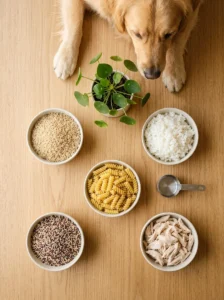
On the question of Is rice better than pasta for dogs?: Neither is inherently “better” — both are generally safe in moderation when plain and properly cooked. Rice has the specific advantage of being the more established, vet-recommended option for bland diet purposes during digestive upset. On the question of Can dogs eat rice or pasta every day?: Occasional inclusion is fine for most healthy dogs, but daily significant portions aren’t typically recommended outside of a temporary bland diet situation, since a dog’s primary nutrition should come from a complete, balanced diet rather than supplementary carbohydrates. On the question of Is brown rice healthier than white rice for dogs?: Brown rice offers more fiber and nutrients, making it a reasonable choice for regular dietary inclusion, but white rice’s lower fiber content makes it specifically preferable during active digestive upset when gentleness matters more than nutritional density. On the question of Can puppies have rice or pasta?: Generally yes, in appropriate small amounts, though a puppy’s primary nutrition should come from an appropriate puppy formula rather than relying on rice or pasta as a significant dietary component.
Rice in particular has become such a reliable, go-to tool in our house for managing the occasional digestive upset that I genuinely keep a bag specifically set aside for this purpose, separate from what we use for our own meals. If you haven’t already, I’d recommend keeping plain rice on hand as part of your own basic dog-care supplies — it’s simple, inexpensive, and genuinely useful when you need it.
For more on managing digestive health, our guides on dog diarrhea and why dogs vomit are worth reading next.