This is genuinely one of the most confusing topics for dog owners, mostly because the answer is “it depends” in a way that doesn’t fit neatly into a single yes-or-no. I remember being completely thrown the first time someone told me raw bones were actually fine for dogs, since everything I’d previously heard was a blanket “no bones, ever.” The reality is more nuanced, and understanding the actual distinction matters for keeping your dog safe.
(Worth noting upfront: I’m an experienced dog owner, not a veterinarian. This reflects widely supported general guidance, but bone-feeding decisions, especially raw bones, are genuinely worth discussing directly with your vet given the real risks involved either way.)
The Core Distinction: Cooked vs. Raw
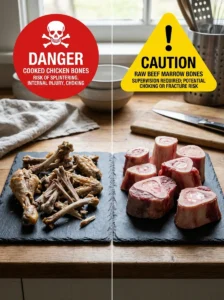
Cooked bones are dangerous and should ne.ver be given to dogs The cooking process changes the bone’s structure, making it brittle and prone to splintering into sharp fragments. These splinters can cause cuts inside the mouth, throat, or digestive tract, or create a blockage that requires surgical removal.
Raw bones are a more nuanced topic. Some vets and dog owners support appropriately sized raw bones as part of a dog’s diet or as a chewing outlet, while others recommend avoiding bones altogether given the risks involved even with raw options. This isn’t a universally agreed-upon practice, which is part of why checking with your own vet matters before deciding what’s right for your dog.
Why Cooked Bones Are Specifically Dangerous
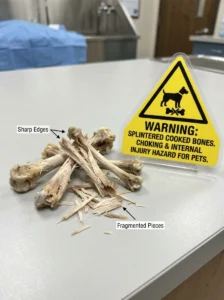
Cooking removes moisture from bone, making it more rigid and likely to crack into sharp, jagged pieces rather than bending or breaking into more rounded fragments. This includes bones from roasted chicken, fried chicken, bones in soup, or any bones that have been through a cooking process — not just chicken specifically, though chicken bones are a particularly common household risk given how frequently chicken is part of family meals.
Risks from cooked bone fragments include:
⦁ Cuts or punctures in the mouth, throat, or esophagus
⦁ Choking, if a fragment becomes lodged
⦁ Internal punctures to the stomach or intestines
⦁ Intestinal blockage, sometimes requiring emergency surgery
⦁ Severe constipation, if fragments accumulate without passing properly
What About Raw Chicken Bones Specifically?
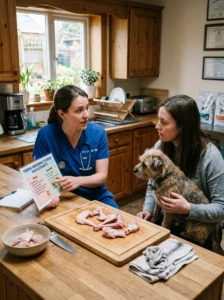
This is where opinions genuinely diverge among vets and dog nutrition experts. Some argue that raw bones, including raw chicken bones (which are softer and more flexible than cooked bones), can be safely consumed by many dogs and even offer some dental and nutritional benefits. Others recommend avoiding bones of any kind, citing risks of bacterial contamination, choking, or blockage even with raw bones.
If you’re considering raw bones for your dog, a few things matter:
Size appropriateness. A bone that’s too small relative to your dog’s size and chewing intensity poses a much higher choking and blockage risk.
Supervision. Raw bones, if given at all, are generally recommended only under direct supervision, never left with a dog unattended.
Your dog’s individual chewing style. Some dogs chew thoroughly and carefully; others tend to gulp or break things into pieces aggressively, which significantly changes the risk calculation for the same bone.
Bacterial considerations. Raw bones, like any raw meat product, carry some risk of bacterial contamination (such as salmonella), which is a separate consideration from the physical structure risks.
We’ve personally chosen not to give either Bruno or Mishi bones, raw or cooked, simply because neither of us felt confident enough in assessing the risk-benefit tradeoff to feel comfortable with it, and there are plenty of other appropriate chew options that don’t carry this particular set of risks.
What to Do If Your Dog Eats a Cooked Bone
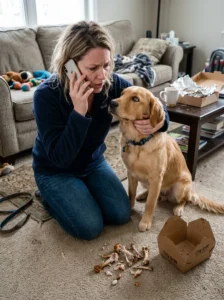
If you discover your dog has eaten cooked bone (chicken or otherwise), even if they seem fine in the moment, it’s worth contacting your vet to discuss next steps, since internal damage from bone fragments isn’t always immediately obvious.
Watch closely for:
⦁ Vomiting or repeated unsuccessful attempts to vomit
⦁ Visible discomfort or pain, particularly in the abdomen
⦁ Blood in stool or vomit
⦁ Difficulty or straining during defecation
⦁ Lethargy or reluctance to move normally
⦁ Refusing food or water
Don’t try to induce vomiting on your own, since bringing sharp fragments back up can actually cause additional injury on the way out. This decision should come from your vet based on the specific situation.
Safer Alternatives to Bones
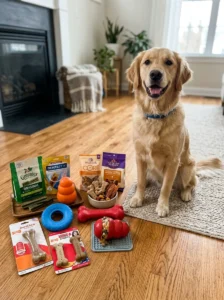
If you’re looking for appropriate chewing outlets without navigating the bone debate, several alternatives are widely considered safer:
⦁ Vet-approved dental chews, designed specifically for safe, appropriate chewing
⦁ Appropriately sized rubber or nylon chew toys, durable and designed for dogs
⦁ Frozen treats, like a frozen, stuffed food toy, which provide a satisfying chewing outlet without the structural risks of bone
Our guide to grooming tools and chew options touches on some of these alternatives as well.
Common Misconceptions About Bones
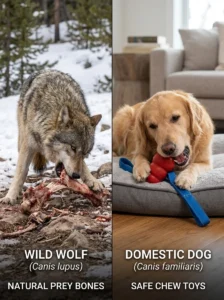
“Dogs in the wild eat bones, so it must be natural and safe.” While true that wild canines do consume bones, this doesn’t account for the differences in modern dogs’ diets, the specific bones involved, or the fact that emergency veterinary care wasn’t historically available if something went wrong — natural doesn’t automatically mean risk-free in a domestic context.
“Small bones are safer than large bones.” This isn’t necessarily true — smaller bones (like chicken bones specifically) are often more likely to be swallowed whole or in larger pieces relative to a dog’s throat size, which can actually increase certain risks compared to larger bones that are physically too big to swallow without proper chewing.
“If my dog has eaten bones before without issue, it’s definitely safe.” Previous safe experiences don’t guarantee future safety — a single instance of bone splintering badly, or an unlucky swallow, can cause serious injury even after many previous uneventful experiences.
How Bone Type and Cooking Method Affect Risk
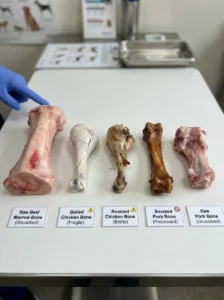
Not all bones carry identical risk, and understanding the variables helps clarify why this topic generates so much conflicting advice. Bones from boiled or steamed preparations tend to retain slightly more moisture than roasted or fried bones, though this distinction doesn’t make boiled bones genuinely safe — they still carry meaningful splintering risk once fully cooked through. Smoked bones, sometimes sold specifically as dog chews, occupy their own category and should be evaluated based on specific product guidance rather than assumed safe simply because they’re marketed toward dogs, since some smoking processes still leave bones brittle enough to splinter.
Why This Topic Generates So Much Conflicting Advice Online
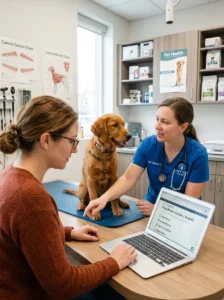
If you’ve searched this topic before landing here, you’ve probably noticed wildly different opinions across different sources, which can be genuinely frustrating when you’re trying to make a safe decision for your dog. Part of this comes from the genuine division within the veterinary and raw-feeding communities about raw bones specifically, and part comes from people conflating raw and cooked bone risks into a single blanket statement rather than addressing the meaningful distinction between them. When researching this topic yourself, paying attention to whether a specific source is talking about raw or cooked bones, and whether they’re addressing physical splintering risk versus separate bacterial contamination concerns, helps make sense of advice that might otherwise seem contradictory.
Recognizing a Blockage Versus Passing Bone Fragments Normally
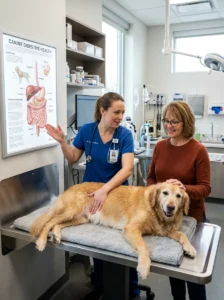
Not every instance of a dog consuming inappropriate bone material results in a medical emergency — sometimes smaller fragments pass through the digestive system without incident. Understanding the difference between normal passage and a developing blockage matters for knowing when genuine concern is warranted. Normal passage typically shows no significant change in your dog’s behavior, appetite, or comfort, with stool potentially looking slightly different but otherwise unremarkable within a day or two. A developing blockage, by contrast, often shows progressive symptoms — worsening lethargy, repeated unsuccessful attempts to vomit, a visibly painful or distended abdomen, or complete absence of bowel movements over an extended period despite normal eating. This progression, rather than the bone consumption itself, is what should guide the urgency of your response, alongside your vet’s direct guidance for your specific situation.
Building a Household Policy Around Bones
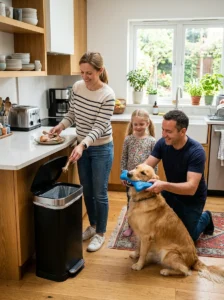
Whatever you ultimately decide about bones for your own dog, having a clear, consistent household policy helps avoid confusion, particularly in homes where multiple people prepare food or interact with the dog. We’ve settled on a simple, consistently communicated rule in our house: no bones, period, regardless of source — which has made it easy for anyone handling food prep or leftovers to know exactly what to do without needing to remember nuanced exceptions for specific situations.
What Vets Typically Recommend in Practice
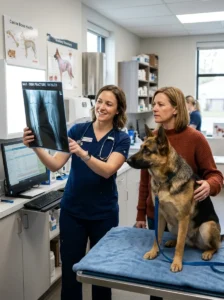
In my experience talking with our own vet about this topic, most practicing veterinarians lean conservative on this issue specifically because they’re the ones who end up treating the emergencies when things go wrong, regardless of which side of the broader raw-feeding debate they personally favor. Many vets will tell you that while raw bones carry less splintering risk than cooked bones, they still see genuine cases of blockage, choking, and dental fractures from raw bones regularly enough to recommend caution, appropriate supervision, and careful size selection if you do choose to offer them, rather than blanket enthusiasm for the practice.
Bones and Multi-Dog Households
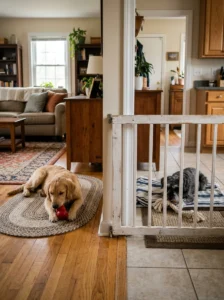
If you have more than one dog, bone-related decisions get an extra layer of complexity worth considering. Resource guarding around high-value items like bones, covered in more detail in our resource guarding guide, can become a genuine concern if multiple dogs have access to bones simultaneously, even setting aside the physical safety questions covered throughout this article. If you do choose to offer bones in a multi-dog household, separating dogs during bone time, rather than assuming they’ll share calmly, reduces both the physical risk discussed here and the behavioral risk of resource-related conflict between your dogs.
Quick Reference
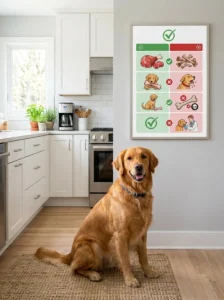
On the question of Are turkey bones the same risk as chicken bones?: Yes, the same cooked-bone risks apply to turkey, beef, pork, or any other cooked bone — the cooking process is what creates the splintering risk, not the specific animal source. On the question of My dog ate a small piece of cooked chicken bone and seems totally fine — should I still be worried?: It’s still worth monitoring closely over the next few days and mentioning it to your vet, since internal injury from bone fragments doesn’t always cause immediate, obvious symptoms. On the question of Is it safe to let my dog have the bone from a rotisserie chicken?: No — rotisserie chicken bones are cooked bones and carry the same splintering risk as any other cooked bone, regardless of how the chicken was prepared. On the question of Should I avoid giving my dog any bones at all, just to be safe?: This is a completely reasonable, conservative choice, and many vets would support it. If you do choose to offer raw bones, doing so only under close supervision and with appropriate sizing is the safer approach within that choice. On the question of What’s the difference in risk between bone fragments and bone splinters specifically?: A fragment is generally a larger broken piece, which might still pose a blockage risk but lacks the sharp edges of a splinter. A splinter, with its sharp, pointed structure, carries an additional puncture and laceration risk to the digestive tract beyond the blockage concern that both share, which is why splintering specifically is the central concern with cooked bones, and why understanding this distinction helps explain the urgency behind avoiding cooked bones altogether.
The cooked-versus-raw distinction genuinely matters here, and understanding it has made me much more confident navigating situations — like a holiday dinner with a roasted bird on the table — where bones are suddenly more accessible than usual. If you’re ever uncertain about a specific situation, treating it cautiously and checking with your vet is always the safer call.
For more on food safety, our guides on the complete safe and unsafe foods list and the 10 foods dogs should never eat are worth reading next.