When I collected my rescue greyhound cross, Juno, I had a plan. A park walk, introductions to the neighbours, a big welcome dinner, photos for the whole family. Juno had a different plan. She climbed into the car footwell and refused to budge for twenty minutes. That was my first lesson in bringing your rescue dog home: the dog sets the pace, not the calendar.
Why the Big Welcome Backfires
We want to celebrate. Balloons, visitors, a new bed the size of a paddling pool. But a rescue dog has often been through weeks of noise, strangers, and change. Many seem overwhelmed rather than excited, and that’s normal.
Think of the first days as a decompression period. Quiet, boring, predictable days help most dogs settle. You’re not spoiling him by keeping things simple. You’re giving him room to learn that this place is safe. If your dog seems very fearful or unwell, call the rescue or your vet. They know his history and can guide you.
Before You Pick Him Up
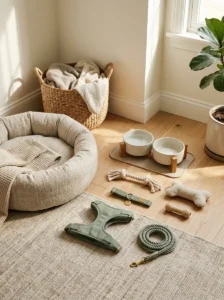
Do the boring prep first. Choose one quiet corner for his bed and water. Put away shoes, remote controls, and anything chewable. Get a well-fitted harness and a collar with an ID tag, since a new dog in a new place may bolt.
Ask the rescue what he’s been eating and buy that, so dinner doesn’t change on day one. And tell your family the plan: no crowding, no hugging, no surprise visitors.
Bringing Your Rescue Dog Home: The First 48 Hours, Step by Step
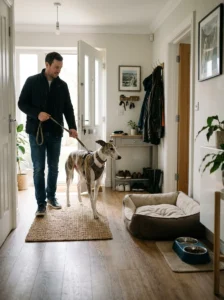
Hours 0 to 6: Arrival
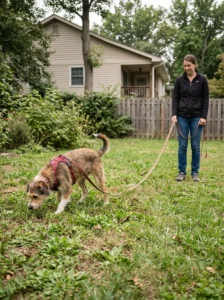
- Go to the toilet spot first. Before you step inside, take him to a patch of grass near home and wait quietly. Reward any success with a calm “good dog.”
- Walk in on the lead. Let him sniff around at his own speed. Skip the grand tour.
- Show him his water and bed, then step back. Don’t hover.
- Keep the house quiet. No visitors, no loud music, no filming.
Hours 6 to 24: The first night
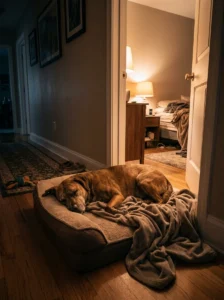
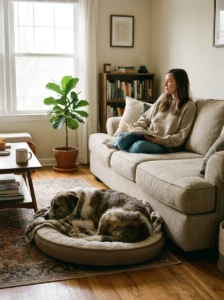
Expect a restless one. Some dogs pace, whine, or hide. Put his bed somewhere quiet but near you, maybe in the hallway outside your bedroom, so he can hear you without being crowded. A worn T-shirt that smells like you can help.
Take him out last thing at night and first thing in the morning. Accidents will happen. Clean them up quietly, with no scolding. He doesn’t know the rules yet.
Hours 24 to 48: A gentle routine
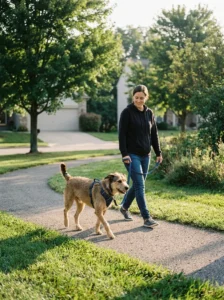
Now start a simple pattern. Meals at the same times. Short, calm walks on the lead, along the same route. Quiet time in between. Offer tiny treats for calm behavior, but keep treats a small part of his daily food. Don’t push cuddles. Let him come to you.
The Tip That Surprised Me
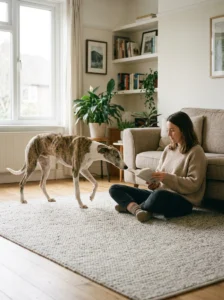
Ignore him. Sounds mean, I know. But the best thing I did for Juno on day two was sit on the floor with a book, say nothing, and look anywhere but at her. Within an hour, she’d crept over and leaned against my leg.
Picture a nervous dog choosing to come close, rather than being pulled in. Pressure makes many dogs retreat, and space often invites them forward. Drop a treat nearby now and then, and keep reading.
Signs He’s Settling In
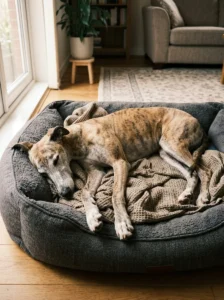
Look for a loose, wiggly body, soft eyes, regular eating, and deep sleep. A big sigh as he flops down is a good sign. But don’t panic if the honeymoon gets bumpy. Some dogs show their real personality after a few weeks, and that’s part of the journey.
Mistakes and Warnings Worth Knowing
Too many visitors too soon. Friends mean well, but a crowd on day one can overwhelm a dog. Wait a week or two.
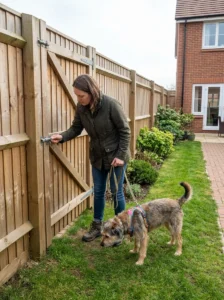
Off the lead too early. Even a calm dog may bolt in a strange place. Keep him on the lead, or on a long line in a secure garden, until you know him better. Check every gate and gap.
Changing food suddenly. A new diet plus stress can upset tummies. Switch gradually, and ask your vet what suits him.
Punishing accidents. It teaches fear, not toilet manners.
Skipping the vet. Book a check-up within the first week or two, and share everything the rescue told you. If he stops eating for more than a day, has diarrhea that persists, or seems unwell, call your vet straight away.
Quick Questions
How long until he settles?
It varies. Some dogs relax in days, others take weeks or months.
Should he sleep on my bed?
That’s your call. Start with his own bed nearby, and decide later.
Can he meet my other dog right away?
Better to introduce them calmly on neutral ground, with advice from the rescue.
Ready for Bringing Your Rescue Dog Home?
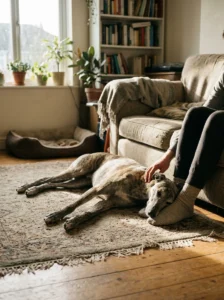
You don’t need to do everything on day one. Stay calm, keep it boring, and let him lead. The best part of bringing your rescue dog home is the slow moment when he finally exhales and falls asleep at your feet.
Want an easy reward for those tiny wins? Have a look at my post on three-ingredient training treats. And tell me: what was your rescue dog’s first big “nope” moment?