Dogs are not just animals living in our homes — they become important members of our families. They provide companionship, comfort, and unconditional love. In return, it is our responsibility to provide them with proper care, attention, and a healthy lifestyle. Taking care of a dog requires more than just providing food and water. A happy and healthy dog needs proper nutrition, regular exercise, grooming, medical care, and emotional support.
1. Provide a Nutritious and Balanced Diet
A healthy diet is one of the most important parts of dog care. Every dog has different nutritional needs depending on their age, breed, size, and activity level. Puppies require food that supports growth and development, while adult dogs need balanced meals to maintain energy and overall health.
Always choose quality dog food that contains essential nutrients such as protein, vitamins, minerals, and healthy fats. Fresh water should always be available because hydration is just as important as food.
Avoid giving your dog foods that can be harmful, such as chocolate, grapes, onions, garlic, and foods with excessive salt or sugar. Even small amounts of certain foods can cause health problems.
Creating a proper feeding routine also helps your dog maintain a healthy weight and improves digestion. Overfeeding can lead to obesity, which may cause joint problems and other health issues.
2. Make Exercise a Daily Priority
Dogs are naturally active animals, and regular physical activity is necessary for their health. Exercise helps maintain a healthy weight, improves muscle strength, and keeps their mind active.
Daily walks are one of the easiest ways to keep your dog healthy. Depending on your dog’s breed and energy level, they may need short walks or longer activities. Playing games like fetch, running, or exploring new environments can also provide great mental stimulation.
A dog that does not get enough exercise may become bored or develop unwanted behaviors such as excessive barking, chewing furniture, or restlessness. Regular activity helps your dog release energy in a positive way.
3. Regular Veterinary Care
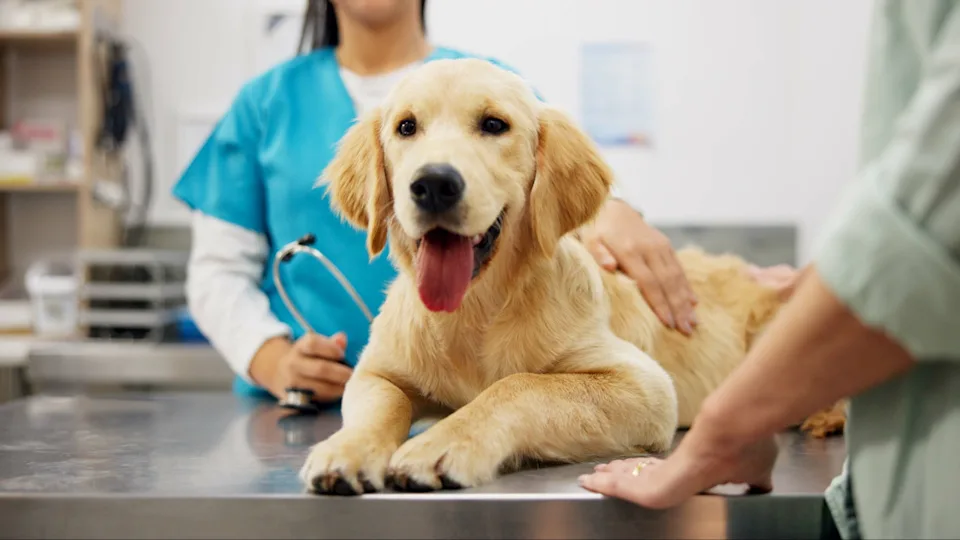
Preventive healthcare plays a major role in keeping your dog healthy. Regular visits to the veterinarian allow you to monitor your dog’s health and identify possible problems early.
Vaccinations protect dogs from dangerous diseases, while routine checkups help maintain their overall well-being. Your veterinarian can also guide you about nutrition, parasite prevention, dental care, and other important health needs.
Pay attention to changes in your dog’s behavior, appetite, energy levels, or appearance. Early attention to unusual signs can prevent small problems from becoming serious.
4. Grooming and Hygiene
Grooming is not only about making your dog look good — it is also important for their comfort and health.
Regular brushing removes loose hair, reduces shedding, and keeps the coat clean. Some breeds require more frequent grooming because of their long or thick coats.
Bathing should be done when needed using products designed specifically for dogs. Human shampoos can irritate a dog’s skin because their skin has different needs.
Don’t forget about nail trimming, ear cleaning, and dental care. Long nails can cause discomfort while walking, dirty ears can lead to infections, and poor dental hygiene can affect overall health.
5. Give Love, Attention, and Training
Dogs are social animals and need emotional connection. Spending time with your dog helps them feel secure and loved.
Training is also an important part of responsible dog ownership. Basic commands such as sit, stay, come, and leave it improve communication between you and your pet. Positive training methods using rewards and encouragement create trust and confidence.
A well-trained dog is usually happier because they understand expectations and feel more comfortable in different situations.
6. Create a Safe Environment
Your home should be a safe place where your dog can relax and enjoy life. Remove dangerous items that your dog may chew or swallow. Keep cleaning products, medications, and toxic plants away from their reach.
Provide a comfortable sleeping area where your dog can rest peacefully. Dogs need their own space where they feel protected.
Toys are also important because they provide entertainment and mental stimulation. Choose toys that are appropriate for your dog’s size and chewing habits.
Conclusion
Taking care of a dog is a long-term commitment filled with responsibility and love. By providing proper nutrition, exercise, grooming, healthcare, training, and attention, you can help your dog enjoy a healthier and happier life.
A little effort every day creates a stronger bond and gives your furry friend the care they deserve. A happy dog is a reflection of a caring and responsible owner. 🐾❤️