Dogs bring years of happiness, loyalty, and companionship into our lives. As they grow older, their needs begin to change, and they require extra attention and care to maintain their comfort and quality of life.
Caring for a senior dog is about understanding their changing needs and making small adjustments that help them stay happy, healthy, and comfortable.
1. Understand the Aging Process
As dogs age, they may experience changes in their energy levels, mobility, and behavior. Older dogs may not run or play as much as they did when they were younger, and that is a normal part of aging.
However, aging does not mean your dog should stop enjoying life. With proper care and attention, senior dogs can continue to have wonderful years with their families.
2. Regular Health Checkups Become More Important
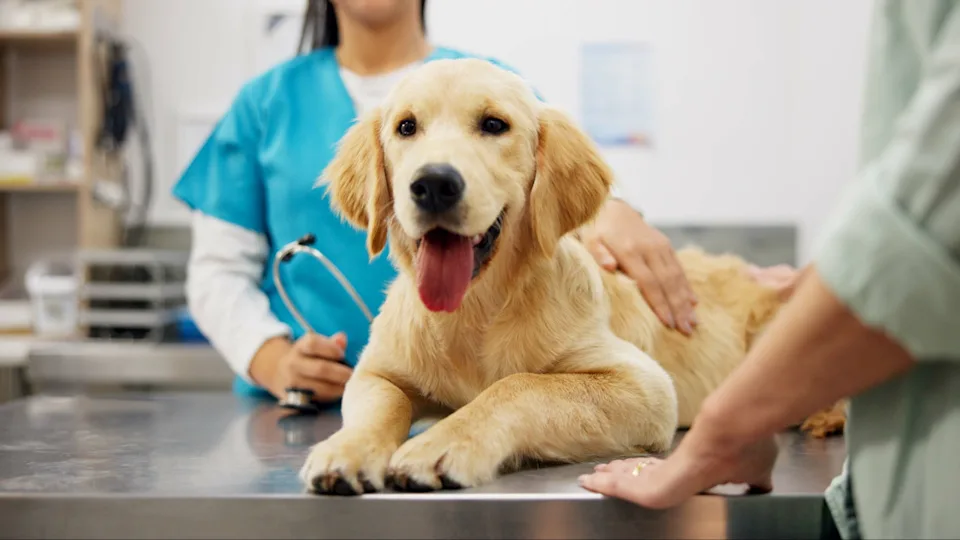
Older dogs are more likely to experience health issues, so regular veterinary visits are extremely important.
Routine checkups help monitor your dog’s health and identify problems early. Your veterinarian can provide guidance about diet, exercise, supplements, and other care needs.
Pay attention to changes in your dog’s behavior, eating habits, and movement.
3. Provide Comfortable Living Conditions
Senior dogs may need more comfort than younger dogs. Soft bedding can help support joints and provide better rest.
Make sure their sleeping area is easy to access and away from cold or uncomfortable conditions.
If your dog has difficulty climbing stairs or moving around, small changes in your home can make daily life easier.
4. Adjust Their Exercise Routine
Older dogs still need exercise, but their activity level may need to change.
Shorter and slower walks are often better than intense activities. Gentle exercise helps maintain mobility, supports healthy weight, and keeps their mind active.
Always consider your dog’s comfort and avoid pushing them beyond their limits.
5. Focus on Joint and Mobility Care
Many senior dogs experience stiffness or difficulty moving. Providing proper nutrition, maintaining a healthy weight, and following veterinary advice can support better mobility.
Pay attention if your dog struggles to stand, climb, or walk comfortably.
6. Give Extra Mental Stimulation
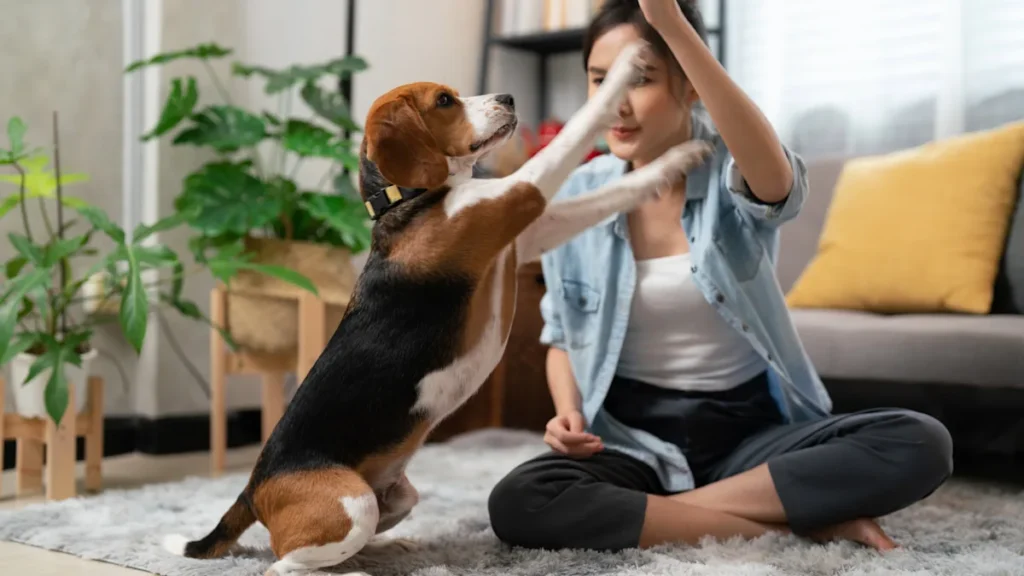
Mental activity remains important throughout your dog’s life. Simple games, gentle training, and spending quality time together keep their mind engaged.
Even older dogs enjoy attention, affection, and interaction with their owners.
7. Show Patience and Love
Senior dogs may need more time and care. They may move slower, sleep more, or require additional assistance.
The bond you share becomes even more meaningful during these years. Providing patience, comfort, and love helps your dog feel secure.
Conclusion
Senior dogs deserve the same love and care they have given throughout their lives. With proper nutrition, regular health monitoring, comfortable living conditions, and plenty of affection, you can help your aging dog enjoy their golden years.
Every stage of your dog’s life is special — and caring for them is one of the greatest ways to show your appreciation for their loyalty and love. 🐶❤️