
Bruno’s seasonal shedding genuinely surprised me the first time we went through it as new dog owners — I had no idea a single dog could produce that much loose fur in a matter of weeks. Years later, I’ve learned this is completely normal for his coat type, and more importantly, learned what actually helps manage it versus what’s just marketing for products that don’t make much real difference.
(I’m an experienced dog owner, not a veterinary dermatologist. Normal seasonal shedding is different from excessive shedding related to an underlying health issue — if shedding seems unusually severe, sudden, or accompanied by skin changes, a vet visit is worth pursuing alongside the management strategies covered here.)
Understanding Normal vs. Excessive Shedding

Most dogs shed to some degree, and double-coated breeds in particular typically go through more significant seasonal shedding (sometimes called “blowing coat”) as they transition their undercoat for changing seasons. This is completely normal, not a problem to “fix,” though it absolutely can be managed more effectively with the right approach.
Signs shedding might be excessive rather than normal seasonal variation:
⦁ Bald patches or notably thinning areas, rather than general overall shedding
⦁ Accompanying skin irritation, redness, or visible discomfort
⦁ Shedding that seems unusually heavy outside of typical seasonal patterns
⦁ Changes in coat texture or quality alongside increased shedding
If you notice these signs, it’s worth ruling out underlying causes — allergies, covered in our dog allergies guide, or other health issues — with your vet, rather than assuming it’s purely seasonal.
Why Regular Brushing Is the Single Most Effective Strategy
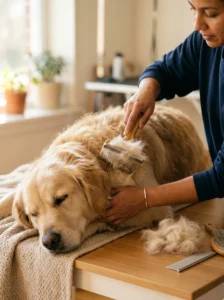
This is genuinely the most impactful thing you can do, more effective than most specialized shampoos or supplements marketed for shedding control. Regular brushing removes loose fur before it falls out naturally throughout your home, particularly important during heavy seasonal shedding when undercoat sheds significantly.
Practical brushing frequency for heavy shedders:
⦁ Several times weekly during normal periods
⦁ Daily, or close to it, during peak seasonal shedding
⦁ Using appropriate tools, covered in our ⦁ brush guide, specifically suited to reaching and removing undercoat effectively
From my experience: During Bruno’s heaviest shedding weeks, daily brushing sessions — even just 10-15 minutes — make a visible, dramatic difference in how much loose fur ends up around the house versus staying contained in the brush and easily disposed of.
Nutrition’s Role in Coat Health

A nutritionally complete, high-quality diet supports healthy coat condition, which can indirectly help manage excessive shedding related to nutritional gaps, though it won’t eliminate normal seasonal shedding entirely. Omega-3 fatty acids in particular are sometimes specifically recommended for coat health, worth discussing with your vet if you’re interested in dietary support beyond a generally complete diet.
Bathing’s Role in Shedding Management

Regular bathing, covered in detail in our bathing frequency guide, helps loosen and remove dead undercoat that brushing alone might miss, particularly during heavy shedding periods. A bath followed promptly by thorough brushing while the coat is still slightly damp can be especially effective for removing loose undercoat during peak shedding season.
Deshedding Tools and Treatments
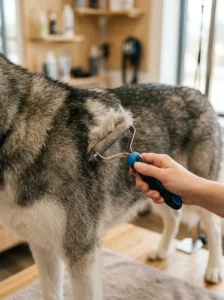
Beyond standard brushes, dedicated deshedding tools, covered in our comparison guide, are specifically designed to reach deeper into the undercoat than a standard brush, often making a noticeable difference for heavy shedders during peak season. Some groomers also offer deshedding treatments combining a specialized bath product with thorough brushing/blow-drying, which can provide a more intensive reset during particularly heavy shedding periods.
Managing Loose Fur Around the House, Beyond the Dog Itself

Even with excellent grooming habits, some loose fur inevitably ends up around your home during shedding season, and a few household strategies help manage this:
⦁ Regular vacuuming, ideally with a vacuum specifically designed or well-suited to pet hair
⦁ Lint rollers kept accessible for quick touch-ups on furniture and clothing
⦁ Washable furniture covers in areas your dog frequently rests, making cleanup more manageable
⦁ An air purifier, which some owners find helps with the airborne component of fur and dander, particularly during heavy shedding periods
What Doesn’t Actually Help Much

Worth knowing, since some marketed solutions don’t deliver meaningfully on their claims: specialized “anti-shedding” shampoos generally provide modest benefit at best compared to the genuine impact of consistent brushing technique and frequency. Shaving a double-coated dog to reduce shedding is generally not recommended, since it can interfere with their natural coat function and doesn’t actually address the underlying shedding process the way proper brushing does.
Seasonal Patterns Worth Understanding

Most double-coated breeds shed most heavily during spring (shedding winter undercoat) and sometimes again in fall (preparing a denser coat for winter), though the exact pattern can vary based on your specific climate and whether your dog spends most time indoors or outdoors, which can affect how distinctly seasonal their shedding pattern actually is.
When to Be Concerned About Shedding
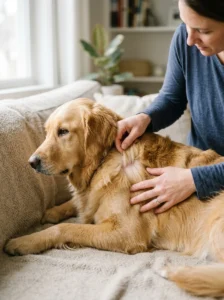
While normal seasonal shedding doesn’t require veterinary attention, contact your vet if you notice the excessive-shedding warning signs covered earlier, or if shedding seems to coincide with other symptoms like itching, skin changes, or behavioral changes that might suggest an underlying issue like allergies or a skin condition, covered in our skin problems guide.
The Biology Behind Seasonal Shedding
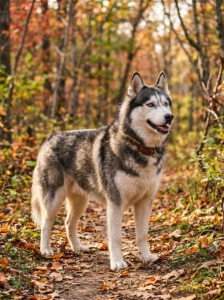
Understanding what’s actually happening biologically helped me approach Bruno’s shedding with more patience rather than frustration. Shedding is regulated significantly by changes in daylight length (photoperiod), not just temperature alone, which is why indoor dogs exposed to consistent artificial lighting sometimes shed more consistently year-round rather than showing the same dramatic seasonal pattern as a dog whose exposure to natural light varies more directly with the seasons. This also explains why some dogs in climate-controlled indoor environments show less distinctly seasonal shedding patterns than their outdoor-living counterparts.
Shedding and Spaying/Neutering Timing

Some research and anecdotal owner experience suggests hormonal changes around spaying or neutering can affect coat texture and shedding patterns, sometimes resulting in a softer, sometimes called “puppy,” coat texture in some dogs after the procedure. This isn’t universal or fully predictable, but it’s worth knowing about if you notice a genuine coat change following this procedure, so you understand it may relate to the hormonal shift rather than an unrelated health concern.
Building Shedding Management Into Multi-Dog Household Logistics

With two dogs of different coat types shedding at different rates and patterns, we’ve found it useful to think about grooming logistics holistically rather than treating each dog’s routine in isolation. Staggering grooming sessions (rather than attempting both dogs back-to-back when we’re already tired from the first session) and having dedicated tools for each dog, covered in our brush guide, has made managing two different shedding patterns simultaneously far more sustainable than it initially felt when we were still figuring out an efficient system.
Stress-Related Shedding: A Less Commonly Discussed Cause

Beyond the seasonal and health-related causes covered earlier, it’s worth knowing that stress and anxiety can sometimes trigger or worsen shedding in dogs, similar to how stress affects hair in humans. If you notice increased shedding coinciding with a stressful event or period — a move, a new pet, a change in routine — this connection is worth considering alongside the other possibilities, and addressing the underlying stress, covered in our dog anxiety guide, may help alongside the general shedding management strategies covered throughout this article.
How Diet Quality Affects Shedding Beyond Basic Nutrition

While we touched on nutrition’s general role earlier, it’s worth being more specific about why diet quality matters so directly for coat health. Protein quality specifically affects coat condition, since hair is largely composed of protein, meaning a diet with inadequate or lower-quality protein sources can manifest as a duller coat and potentially increased shedding beyond what’s purely seasonal. This connects to the broader food-quality principles covered in our dog food label reading guide, where understanding actual ingredient quality matters for outcomes like coat health, not just general nutritional adequacy.
Establishing a Pre-Shedding-Season Routine
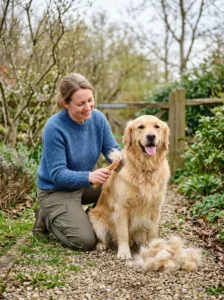
Rather than waiting until shedding is already in full swing to ramp up our grooming routine, we’ve found it genuinely helpful to anticipate the seasonal pattern and begin slightly increased brushing just before we expect heavy shedding to start, based on our experience with previous years’ patterns. This proactive approach seems to result in a somewhat more manageable transition than waiting to react once shedding is already significantly underway and visible throughout the house.
Shedding Differences Between Intact and Spayed/Neutered Females
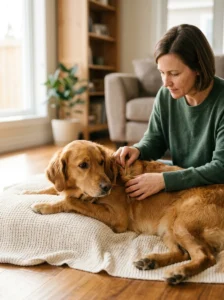
Female dogs who haven’t been spayed sometimes show a notable shedding pattern connected to their heat cycle, with increased shedding occurring around specific points in the cycle, separate from general seasonal patterns. This is worth knowing if you have an intact female and notice shedding that doesn’t seem to align neatly with the seasonal explanations covered throughout this guide, since hormonal cycling can be an additional contributing factor specific to intact females.
A few quick answers: Will my dog ever stop shedding completely — For most breeds, no — some level of shedding is normal and expected, though management strategies covered throughout this guide can significantly reduce how much loose fur actually ends up around your home, rather than eliminating shedding entirely.. Is it true that some breeds don’t shed at all — Not quite — even low-shedding breeds, covered in our low-shedding breeds guide, still shed some, just typically in a way that’s retained within the coat rather than distributed loosely throughout your home, requiring regular grooming to remove rather than truly “not shedding.”. Does spaying or neutering affect shedding — Some owners report changes in coat texture and shedding patterns after spay/neuter surgery, though this isn’t universal or fully predictable, and any significant change is still worth mentioning to your vet to rule out other causes.. How long does seasonal shedding typically last — This varies by breed and individual dog, but heavy seasonal shedding periods often last several weeks, gradually tapering off as the coat transition completes, rather than ending abruptly on a specific date..
Learning to actually manage Bruno’s seasonal shedding, rather than just enduring it, made our heaviest shedding weeks far less overwhelming than those first surprised early years. Consistent, frequent brushing genuinely remains the most effective tool available, more impactful than any specialized product, and building that habit into your routine during peak season will make the biggest practical difference.
For more on grooming fundamentals, our guides on best brushes for every coat type and deshedding tools compared are excellent next reads.