Here’s a myth I believed for years: small dogs are easy, and big dogs are hard. Then one summer I looked after my sister’s Chihuahua mix and my neighbour’s Great Dane in the same month. The Chihuahua barked at the postman for forty minutes straight. The Dane slept through a thunderstorm. So when people ask me about small dog breeds vs big dog breeds, I give the same answer every time. Size matters. Just not in the way you’d expect.
Why Size Shapes More Than You Think
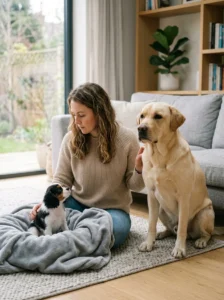
Picking a dog by size alone is like choosing a house by its front door. Sure, it’s the first thing you notice. But size affects your food bill, your living space, your travel plans, and even who’ll let you rent a home. And once you’ve fallen in love, it’s hard to change your mind.
Here’s a mistake I see constantly. People choose a puppy based on how big it is right now. That fluffy little ball grows. A Newfoundland puppy is adorable and gets enormous by its second birthday. Always look up the adult size and weight before you say yes.
So let’s keep this honest. No breed snobbery. Just what daily life looks like.
Small Dog Breeds vs Big Dog Breeds in Real Life
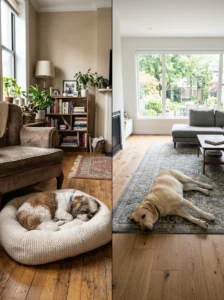
Space. Small dogs like Dachshunds, Pugs, and Shih Tzus fit happily into flats and compact homes. Big dogs, think Labradors, German Shepherds, or Great Danes, need more room, and one happy tail can clear a coffee table. But here’s the twist. Many large dogs are calm indoors, and plenty of small ones bounce off the walls. Energy matters more than inches.
Money. Big dogs cost more. Food, beds, crates, boarding, and medication all scale up with weight. Small dogs are cheaper day to day, but some fluffy little breeds need regular grooming, and dental care can matter a lot for tiny mouths. Ask your vet what to expect for the breed you like.
Exercise. A Jack Russell can outlast a Labrador. A Greyhound, which is large, is famous for lounging. So check the breed’s energy level, not just its weight. Border Collies need jobs. Bulldogs need a stroll and a nap.
Lifespan. Generally, smaller dogs tend to live longer than giant ones. Many small breeds reach their teens, while some giant breeds have shorter lives. Every dog is different, and it’s worth thinking about before you commit your heart.
Training. A 70-pound dog who pulls will drag you down the road, so manners are non-negotiable. Small dogs, on the other hand, get away with bad habits because you can scoop them up. That’s how you end up with a barky, nippy pocket rocket. Train both sizes. Equally.
Barking and temperament. Some small breeds are famously vocal, and some giants are quiet softies. Breed history matters. Terriers were bred to chase, while sighthounds were bred to sprint and then snooze. Read up on what your dog was originally bred to do.
A rainy-morning reality check. Picture 6 a.m. in pouring rain. With a Pomeranian, you can nip out to the garden in your slippers. With a Rottweiler, you’re pulling on a coat and boots for a proper walk. Neither is wrong. But you should know which sounds like your life.
Gear. Beds, harnesses, crates, and car space all scale with size. A giant dog bed won’t fit in a small hatchback, and a tiny harness is useless on a Mastiff. Measure before you buy. It saves returns and arguments.
Treats. A big dog’s biscuit is a small dog’s dinner. Choose tiny, soft treats for little mouths, and keep all treats a small part of your dog’s daily food. If your dog has health concerns, ask your vet what suits them.
The tip nobody mentions. Check your lease before you fall in love. Many landlords set weight limits, often somewhere around 25 to 35 pounds. Airlines are similar. Small dogs can often travel in the cabin, while big dogs usually go in the hold or stay home. Find out first. It’ll save you heartbreak.
Questions Dog Owners Keep Asking
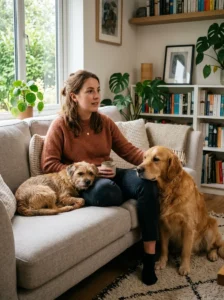
Are small dogs more aggressive? Not by nature. Often it comes down to training and socialization. A scared dog of any size can snap, so go slowly and ask a trainer for help if you need it.
Do big dogs need a huge garden? Not really. They need daily exercise, mental work, and a comfy spot to flop. A good walk beats a big lawn every time.
Which is better for first-time owners? Neither, automatically. Temperament and energy matter more than size. Many first-timers do well with a calm, medium-sized dog. Meet the dog first, and ask plenty of questions.
My Honest Recommendation
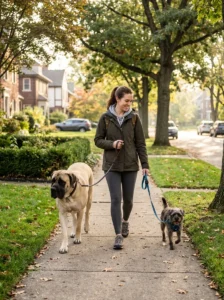
Here’s what I’d do. Write down your space, budget, energy level, and how often you’re home. Then pick the breed that fits that list, not the one that looks cutest on Pinterest. Spend a weekend walking a friend’s dog, or foster for a few weeks. You’ll learn more in two days than in two months of scrolling.
My friend Dana wanted a small, quiet dog and ended up with a terrier mix who needs two hours of exercise a day. She adores him. But she’ll admit she wishes she’d checked the energy level first. Meanwhile her brother lives in a flat with a Mastiff who’s perfectly happy with a short walk and a sofa. Funny how that works.
So when you weigh up small dog breeds vs big dog breeds, remember there’s no winner. There’s only the right match for your life. And the right dog is the one who makes your home feel like home.
Still undecided? Have a look at my post on how to choose a dog breed for your lifestyle. And tell me: are you team tiny or team giant?