“Just take him to the dog park and let him play. He’ll sort himself out.” A well-meaning stranger told me that when I brought home my beagle puppy, Biscuit. I nearly did it. Then my vet explained the problem, and I’m glad I listened. If you want to know how to socialise a puppy properly, the first thing to learn is that it isn’t about meeting as many dogs as possible.
Why Quantity Is the Wrong Goal

Socialisation means helping your puppy feel calm about the world: people, sounds, surfaces, other animals, and everyday oddness like umbrellas and vacuum cleaners. It’s about good experiences, not crowded ones.
The early weeks matter a lot. Many trainers and vets point to roughly the first three to four months as the prime learning window, when new things tend to feel less scary. After that, it’s still possible, just slower.
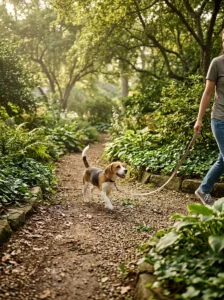
Here’s the snag. Puppies aren’t fully vaccinated that early, so you can’t let them sniff every lamppost. Ask your vet exactly when your puppy can walk on the ground and mix with other dogs. Until then, carry him, use your garden, and meet only dogs you know are healthy and vaccinated.
What Most Owners Get Wrong
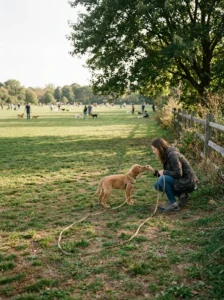
They rush. They pile on. A puppy swamped by ten excited strangers and a bouncing adolescent dog doesn’t learn “people are great.” He learns “this is terrifying.”
Good socialisation is slow, short, and puppy-led. One new thing at a time, at a distance where your puppy stays relaxed, with a treat to make it pleasant. If he wants to retreat, let him. Nobody drags a nervous person onto a rollercoaster and calls it confidence-building.
Signs your puppy has had enough
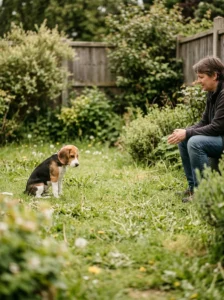
Watch for a tucked tail, flattened ears, lip licking, yawning, turning away, or freezing. Any of those means: add distance, give a break, try again later. If he seems very fearful, ask your vet or a qualified trainer for help.
How to Socialise a Puppy: A Simple Plan You Can Start Today
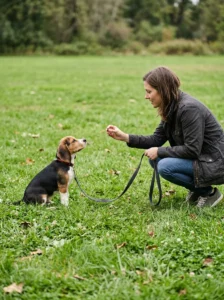
Think of this as a checklist you tick off gently over weeks. Not in one weekend.
Sounds. Play recordings of traffic, doorbells, thunder, and fireworks at a low volume while he eats or plays. Raise it very gradually over days.
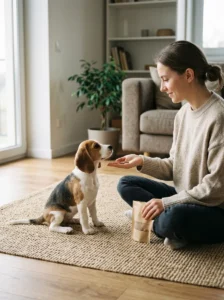
Surfaces. Let him walk across tiles, grass, carpet, and a rubber mat. Tiny treats for every brave step.
People. Hats, beards, glasses, uniforms, children, folks with walking sticks. Ask visitors to stay calm, let the puppy approach, and never grab him.
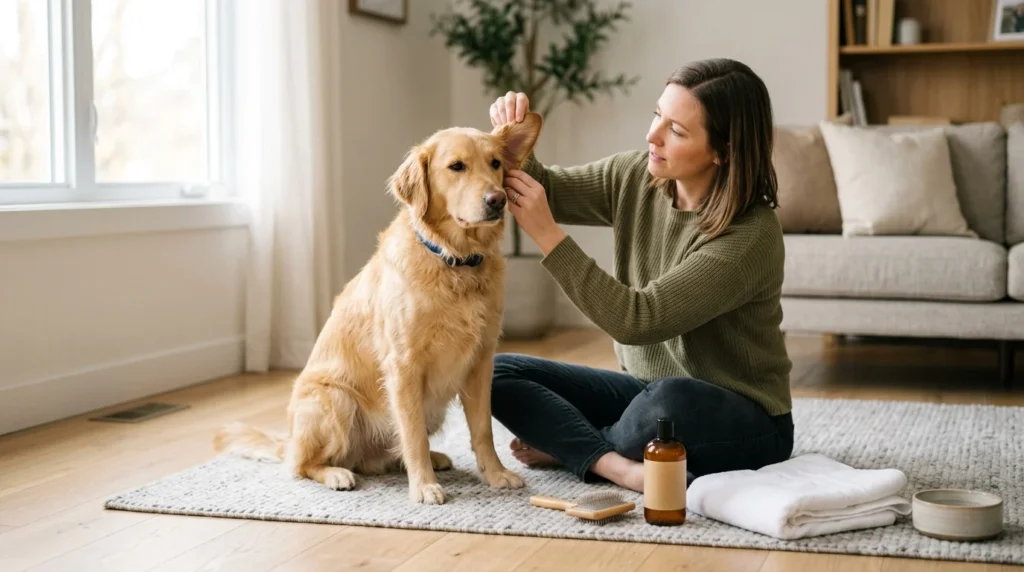
Handling. Touch his paws, ears, and mouth for a second, then treat. It makes vet visits and grooming easier later.
Travel. Short car rides that end somewhere nice, so the car doesn’t only mean the vet.
Other dogs. Choose calm, friendly, vaccinated adult dogs, one at a time. A good puppy class run by a qualified trainer is brilliant, because it’s structured and supervised.
The Tip That Surprised Me
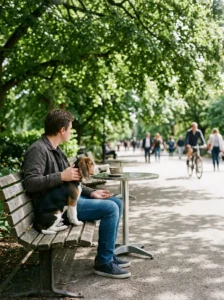
Sit on a bench. Seriously. The best session I ever had with Biscuit involved doing nothing. I carried him to a bench outside a café, sat down, and let him watch the world from my lap. Bikes, prams, joggers, a kid on a scooter. Whenever he looked at something and stayed relaxed, a treat appeared.
Picture a wobbly little puppy soaking it all in from a safe spot, with no pressure and no pushy greetings. Ten minutes of that beat an hour of forced meet-and-greets. Repeat it on different days and at different times, because a quiet morning and a busy afternoon feel very different. And keep treats tiny, since they should stay a small part of his daily food.
A Real Example From My Neighbour
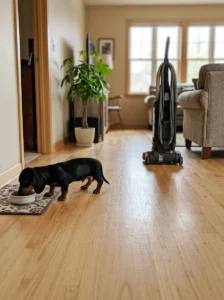
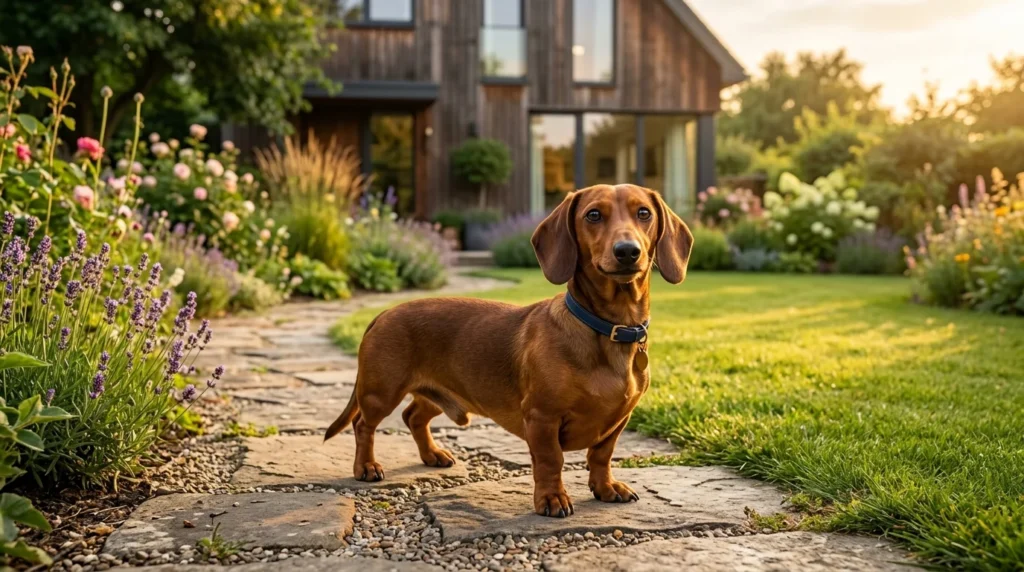
Dana’s dachshund puppy, Mango, was terrified of the hoover. She resisted the urge to scoop him up every time it appeared, which can accidentally teach a puppy there’s something to fear. Instead she left it in the room, switched off, with treats beside it. Then she ran it in another room. A week later she ran it at the far end of the hallway while he ate dinner. Slowly it shrank in his mind. “Tiny steps,” she says, “and not one tear.”
Mistakes and Warnings Worth Knowing
Don’t flood him. Throwing a nervous puppy into a busy situation to “get over it” tends to backfire.
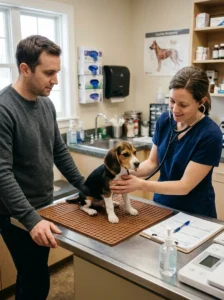
Don’t skip the vet. Check the vaccination schedule before ground walks and dog meets.
Don’t let strangers take over. Everyone wants to cuddle a puppy. It’s fine to say, “He’s learning. Can he say hi from there?”
Don’t punish fear. A growl or a hide is communication. Punishing it may teach your puppy to hide his warnings, which isn’t safer.
Don’t overdo it. Three weeks of calm, short sessions beat one exhausting day. And remember rest, because tired puppies get grumpy and overwhelmed.
Quick Questions
Is it too late if my puppy is older?
No. It may be slower, but adolescent and adult dogs can keep learning. Go gently, and consider a trainer.
How many new things a day?
Two or three calm, short ones is plenty for most puppies.
What if he’s shy?
Shy puppies need more distance, more patience, and fewer people, not fewer experiences. A qualified trainer can guide you.
Your Next Step
Pick three things from the checklist above and tick them off this week. That’s all. Learning how to socialise a puppy is about slow, happy, puppy-led moments, not racing through a list. Start with a bench, a pocket of tiny treats, and your vet’s go-ahead.
Want easy rewards to take along? Have a look at my post on three-ingredient dog treats for training. And tell me: what was your puppy’s first big “nope” moment?