Do you want a dog who fits on your lap, in your flat, and straight into your heart? Then small dog breeds might be your match. They check all three boxes. They also come with big opinions. My cousin Leah’s Chihuahua once barked at the vacuum cleaner for an hour and won the argument. So here’s my honest guide to twelve little dogs worth meeting, plus the stuff nobody mentions on adoption day.
Which Small Dog Breeds Suit Your Life?
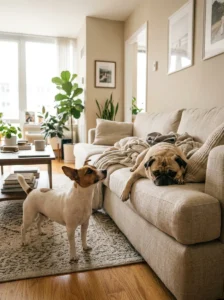
Short answer: the one that fits your daily routine, not just your sofa. “Small” covers a lot of ground. A sleepy Pug and a zippy Jack Russell weigh about the same, yet live totally different lives.
Here’s a myth worth busting. Small dogs don’t automatically need less exercise. Plenty of little breeds were bred to chase, dig, and work, and they’ll happily out-walk you. Others are content with a short stroll and a long nap.
So ask yourself three things. How much exercise can I give every day? How much brushing can I handle? How many hours will the dog be alone? Answer honestly and your shortlist almost writes itself.
And chat with your vet and a responsible breeder or rescue before you choose. Some small breeds have quirks, like flat faces or long backs, and it’s better to know early.
12 Little Dogs Worth Meeting
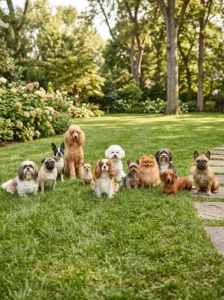
Here they are, in no particular order.
Cavalier King Charles Spaniel. Gentle, affectionate, and happy to follow you from room to room. Hates being left alone for long, so think about your working hours.
French Bulldog. Clownish and cuddly, with a flat face that struggles in the heat. Keep walks gentle and cool, and skip hot afternoons entirely.
Dachshund. Bold, curious, and convinced he’s ten feet tall. That long back needs care, so skip big jumps and add steps beside the sofa.
Pug. Cheerful, snuffly, and always hungry. Watch the waistline, and watch the weather, since pugs overheat easily.
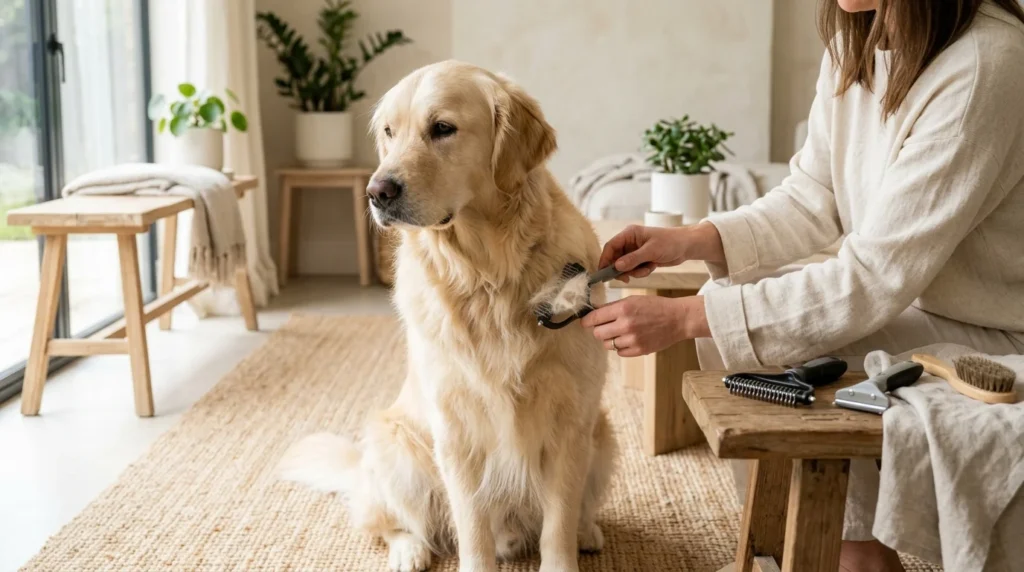
Shih Tzu. A sweet lap dog with a silky coat. Brush it often, or book regular trims, to keep tangles away.
Bichon Frise. Bouncy, fluffy, and friendly with everyone. Doesn’t shed much, but needs grooming every few weeks to stay cloud-like.
Miniature Poodle. Clever and quick to learn. Loves puzzle games and training sessions, and needs regular clipping.
Yorkshire Terrier. Tiny and feisty, with a big-dog attitude. Early socialization helps keep that sass friendly.
Boston Terrier. Tidy, sociable, and endlessly entertaining. Another flat face, so mind the heat and keep exercise easy on warm days.
Chihuahua. Loyal, sassy, and often devoted to one person. Delicate in rough play and chilly in winter, so choose gentle games.
Pomeranian. A fluffy ball of confidence. Chatty, so teach “quiet” early, and brush that double coat a few times a week.
Havanese. Cheerful, social, and quick to pick up tricks. Dislikes solitude, and the silky coat needs a comb now and then.
The Tip That Surprised Me
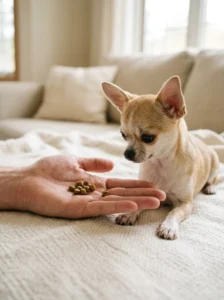
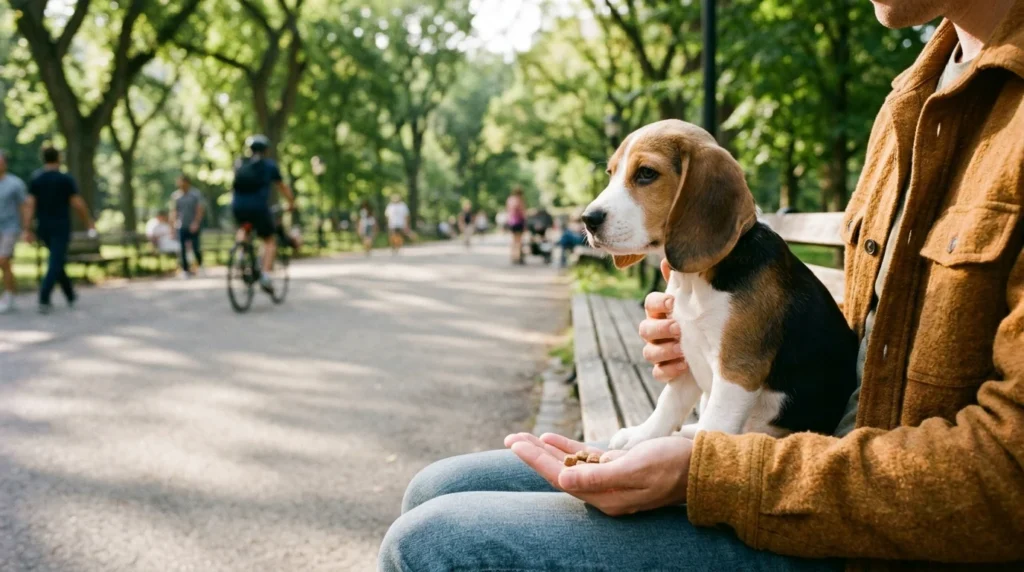
Cut treats to the size of a pea. I never thought about it until my vet pointed out that one biscuit made for a Labrador can be a huge portion for a small dog. Treats should stay a small part of daily food, and little bodies fill up fast.
Tiny pieces mean plenty of rewards for training without overdoing it. Picture a pocket full of confetti-sized snacks and a dog who sits happily for every one.
Real Life With a Small Dog
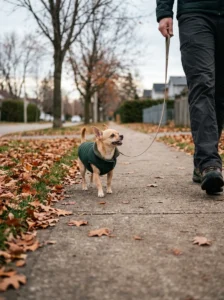
Leah’s Chihuahua, Peanut, shook on every winter walk. She assumed he was being dramatic. Then a friend suggested a snug coat, and within a week he was trotting happily instead of freezing. But that wasn’t the only fix. Leah moved his bed away from the draughty door, and she stopped carrying him everywhere. “I was treating him like a handbag,” she told me. “Turns out he wanted to walk.”
Warnings Worth Knowing
Small doesn’t mean easy. These are the slip-ups I see most.
Treating a small dog like a toy. They’re dogs, with dog needs: walks, sniffing, training, and sleep. Let them walk.
Skipping manners. A barky, nippy Yorkie is still barky and nippy. Train small dogs as seriously as big ones.
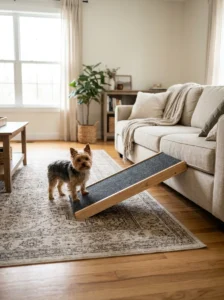
Letting them jump from heights. Sofas and beds can be hard on little legs. Steps and ramps help.
Ignoring teeth. Small mouths can get crowded. Ask your vet about dental care.
Forgetting the weather. Flat-faced breeds overheat, and thin-coated ones feel the cold. If your dog shivers a lot, pants heavily, or seems unwell, ask your vet.
Underestimating hazards. Small dogs can slip through gaps, get stepped on, or be knocked over by bigger dogs. Watch doors and supervise play.
Your Next Step
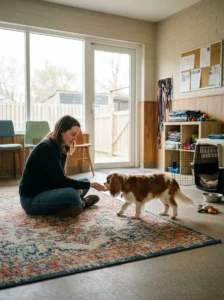
Don’t try to choose from all twelve. Pick two or three that suit your routine, then go meet some in person. Spend an hour with an adult dog, ask the owner or rescue what a normal day looks like, and notice how the dog handles noise and strangers. The best small dog breeds are the ones that match the life you actually live, not the one on your Pinterest board. Write down your three questions, and take them with you.
Still unsure? Have a look at my post on how to choose a dog breed for your lifestyle. And tell me: which of these little charmers has your heart already?