Peanut butter has been a training treat staple in our house since Bruno was a puppy — a small dab on a spoon, or smeared inside a puzzle toy, has been one of the most reliable high-value rewards we’ve used over the years. But it took me a little while to learn that not every jar of peanut butter is actually safe, and that one specific ingredient can turn an otherwise great treat into a genuine emergency.
(Worth noting upfront: I’m an experienced dog owner, not a veterinarian. This reflects general guidance — if your dog has specific dietary restrictions or health conditions, check with your vet before introducing peanut butter regularly.)
The Most Important Thing to Know: Xylitol
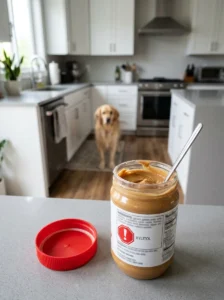
Before anything else about portion sizes or serving methods, this is the detail that matters most: always check the ingredient label for xylitol before giving your dog any peanut butter. Xylitol is an artificial sweetener increasingly used in “natural,” low-sugar, or keto-friendly peanut butter products, and it’s genuinely dangerous for dogs — causing a rapid, severe drop in blood sugar and potentially liver failure, even in small amounts.
This isn’t a rare or obscure risk anymore. Xylitol has become more common in peanut butter products marketed as healthier alternatives, which is exactly the kind of product an owner might reach for without realizing the risk. I now check the label every single time I buy a new jar, even brands I’ve purchased before, since formulations can change.
Is Peanut Butter Otherwise Safe for Dogs?
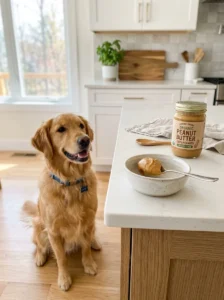
Assuming it’s xylitol-free, plain peanut butter is generally considered safe for dogs in moderation, and most dogs genuinely love it. It’s a good source of protein and healthy fats, though it’s also calorie-dense, which is part of why moderation matters even with a safe product.
What to Look for on the Label
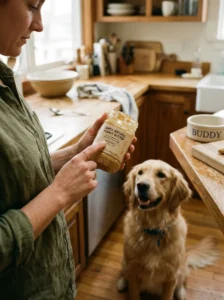
Avoid: any peanut butter listing xylitol (sometimes also labeled as “birch sugar,” an alternative name for the same ingredient) anywhere in the ingredients.
Look for: plain, natural peanut butter with minimal ingredients — ideally just peanuts, perhaps a small amount of salt. Avoid products with added sugar, excessive salt, or other additives beyond the basics.
Consider: unsalted or low-sodium varieties if you’re giving peanut butter regularly, since regular consumption of salted varieties can add up in terms of overall sodium intake.
How Much Peanut Butter Is Safe to Give

Peanut butter should be treated as a treat, not a meal component, given its calorie density. General guidance many vets suggest:
⦁ Small dogs: roughly half a teaspoon to a teaspoon, occasionally
⦁ Medium dogs: roughly one to two teaspoons, occasionally
⦁ Large dogs: roughly one to two tablespoons, occasionally
These are rough guidelines, not precise prescriptions — the key principle is treating peanut butter as an occasional addition to an otherwise balanced diet, not a regular significant calorie source.
Creative Ways to Use Peanut Butter Safely
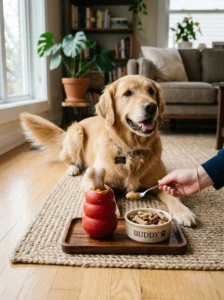
Puzzle toy filling, smeared inside a hollow toy, providing both a treat and mental stimulation as your dog works to get it out.
Frozen peanut butter treats, smeared inside a toy and frozen, which extends how long the treat lasts and can be particularly nice during hot weather.
Training rewards, a small amount on a spoon or finger (with appropriate caution, since some dogs can nip enthusiastically when excited about peanut butter specifically).
Mixed into a homemade treat recipe, like our DIY dog treats guide, which includes some peanut butter-based options.
From my experience: A frozen, peanut-butter-stuffed puzzle toy has been one of our most reliable tools for keeping Bruno occupied and calm during things like thunderstorms or when we need him settled for a while, like during a vet visit wait. It’s become almost as much a behavioral tool as a treat at this point.
Peanut Allergies in Dogs
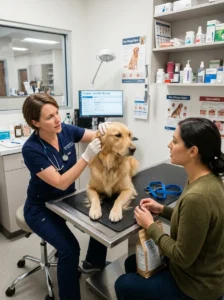
While less common than some other food sensitivities, dogs can have allergies or intolerances to peanuts, similar to other proteins. If you’re introducing peanut butter for the first time, start with a very small amount and watch for any signs of an adverse reaction — itching, digestive upset, or other symptoms covered in more detail in our dog allergies guide.
Alternatives to Peanut Butter
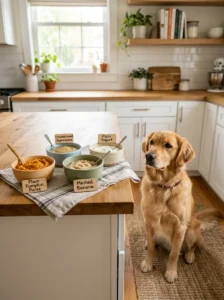
If your dog can’t have peanut butter due to an allergy, or you simply want variety, a few alternatives work similarly well as a spreadable, high-value treat:
⦁ Plain pumpkin puree (not pie filling)
⦁ Plain unsweetened applesauce, in small amounts
⦁ Mashed banana, in small amounts given its sugar content
⦁ Plain yogurt (in dogs who tolerate dairy reasonably well), used cautiously given lactose sensitivity in many dogs
What to Do If Your Dog Eats Xylitol-Containing Peanut Butter
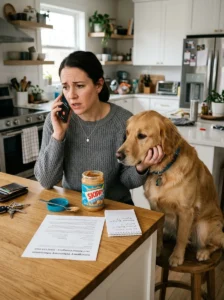
If you discover your dog has eaten peanut butter containing xylitol, this is a genuine emergency. Contact your vet or an animal poison control hotline immediately, even if your dog seems fine in the moment, since symptoms can develop rapidly — sometimes within 30 minutes to an hour — and early intervention matters significantly for outcomes.
Symptoms of xylitol toxicity can include vomiting, weakness, loss of coordination, and in severe cases, seizures, reflecting the dangerous drop in blood sugar this ingredient causes in dogs.
Why Peanut Butter Became a Default Choice for Puzzle Toys Specifically
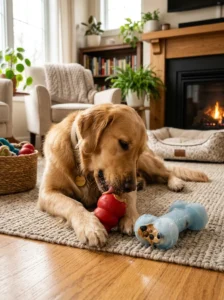
There’s a practical reason peanut butter has become such a go-to for puzzle toys and enrichment specifically, beyond simply being a flavor dogs enjoy: its sticky, spreadable texture coats the interior of a hollow toy in a way that’s genuinely hard for a dog to access quickly, extending engagement time far more than a dry treat that might simply fall out or be consumed in seconds. Freezing a peanut-butter-filled toy extends this even further, since your dog has to work through the partially frozen texture gradually rather than licking it clean in one sitting. This combination of stickiness and freezability is part of why peanut butter has remained a uniquely useful enrichment tool compared to many other treat options, beyond just being tasty.
Peanut Butter Brands and Manufacturing Changes Worth Watching For
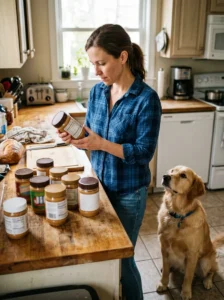
Beyond the immediate xylitol check, it’s worth being aware that pet food and treat ingredient safety isn’t static — manufacturers occasionally reformulate products, and a brand that was safe last year could theoretically change its recipe. This isn’t meant to create anxiety about every purchase, but it reinforces why the habit of checking labels needs to be ongoing rather than a one-time research project where you settle on a “safe brand” and stop checking afterward. I’ve personally found it easier to default to plain, minimal-ingredient peanut butter brands specifically marketed without any sugar substitutes, rather than relying on memory of a brand being safe from a previous purchase.
Combining Peanut Butter With Other Safe Ingredients
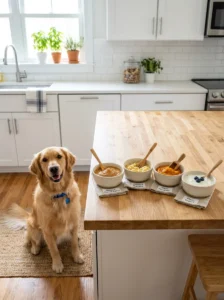
Beyond using peanut butter alone, it pairs well with several other dog-safe ingredients covered elsewhere on our site, opening up more variety for puzzle toys and treats. Mixing a small amount of peanut butter with mashed banana, plain pumpkin puree, or plain yogurt creates a different flavor and texture profile while keeping the overall recipe simple and safe, assuming each individual ingredient has been checked against our broader safe foods guide. This kind of simple combination has helped keep treat time feeling varied for Bruno and Mishi without requiring an extensive ingredient list or complicated preparation.
Peanut Butter as a Tool for Medication Administration
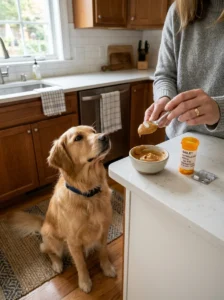
One practical use worth mentioning, beyond pure treat purposes: a small amount of peanut butter is commonly used by owners (with vet approval) to help administer oral medications or supplements that a dog might otherwise resist. The strong flavor and sticky texture can effectively mask a pill or capsule, making medication time significantly less stressful for both dog and owner. This has been genuinely useful for us on the occasions either Bruno or Mishi has needed a course of medication, transforming what could be a stressful daily struggle into a routine, even mildly enjoyable moment for them.
Peanut Butter and Dental Considerations
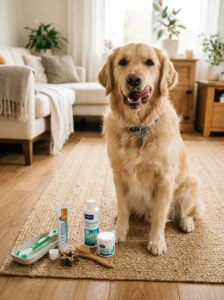
While peanut butter itself doesn’t clean teeth the way some chew toys or dental treats might, it’s worth being mindful that the sticky residue can linger on teeth and gums after a serving, similar to how sticky human foods can contribute to plaque buildup over time if dental hygiene isn’t otherwise maintained. This isn’t a reason to avoid peanut butter, but it reinforces why a consistent dental care routine, covered in our dental care guide, matters regardless of which specific treats and foods make up your dog’s diet. We’ve found that offering peanut butter treats around the same time as a planned brushing session, rather than right before bed, helps minimize how long that sticky residue sits on the teeth before being addressed.
How Peanut Butter Fits Into a Weight Management Plan
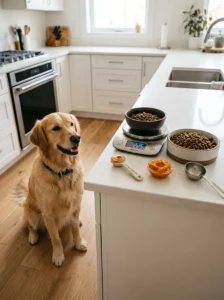
Given its calorie density, peanut butter deserves specific mention if your dog is on a weight management plan, covered more broadly in our low-calorie treats guide. This doesn’t mean eliminating peanut butter entirely for a dog managing their weight — it remains a high-value tool, particularly for training or enrichment purposes — but it does mean being more deliberate about portion size and frequency, and factoring those calories into the overall daily total rather than treating peanut butter as a “free” addition outside normal calorie tracking. For dogs actively losing weight, we’ve found that diluting a small amount of peanut butter with plain pumpkin puree maintains much of the appeal while reducing the overall calorie density of a single serving.
Quick Reference
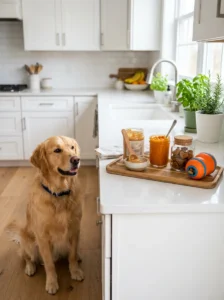
On the question of How do I know if a peanut butter brand contains xylitol?: Check the ingredient list directly on the label every time, even for brands you’ve purchased before, since formulations can change. Xylitol may also be listed as “birch sugar” on some labels. On the question of Is natural or organic peanut butter automatically safer?: Not necessarily — “natural” and “organic” labeling doesn’t guarantee a product is xylitol-free, and some products marketed this way have actually introduced xylitol as a “healthier” sugar alternative, making label-checking just as important regardless of these marketing terms. On the question of Can puppies have peanut butter?: Generally yes, in appropriately smaller amounts given their smaller size, assuming it’s xylitol-free and your puppy doesn’t show any signs of food sensitivity. On the question of Is crunchy or smooth peanut butter better for dogs?: Either is generally fine from a safety standpoint, though smooth peanut butter may be easier and safer for very small dogs or those prone to gulping rather than chewing thoroughly.
Peanut butter has remained one of our most reliable, well-loved treats for both Bruno and Mishi over the years, but the xylitol risk is genuinely worth taking seriously every single time you buy a new jar, not just the first time you learn about it. Building that label-check into a habit, rather than a one-time precaution, is the single most important thing I’d want any peanut-butter-loving dog owner to take from this guide.
For more on safe treats and foods, our guides on DIY dog treats and the complete safe and unsafe foods list are worth reading next.