Border Collies regularly top lists of the most intelligent dog breeds, and having watched a friend’s Border Collie work through increasingly complex training challenges with what seemed like genuine enthusiasm for the mental puzzle itself, I understand why this reputation exists. But I think this breed deserves a particularly honest conversation about what that intelligence actually requires from an owner, since it’s not simply a positive trait without significant accompanying responsibility.
(I’m an experienced dog owner, not a breeder or veterinary professional. This reflects general breed information and observations — a vet or breed-specific rescue can offer guidance tailored to a specific Border Collie’s individual needs and energy level.)
Border Collie Temperament
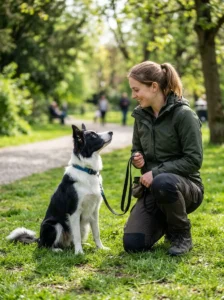
Border Collies were developed specifically for herding work, requiring intense focus, quick decision-making, and close cooperative work with a handler over extended periods. This working heritage profoundly shapes the modern breed’s temperament — Border Collies are typically highly intelligent, intensely focused, and driven by a genuine need for purposeful activity that goes well beyond simple physical exercise.
Common temperament traits:
⦁ Exceptionally intelligent, consistently ranked as the most intelligent breed in canine cognition research
⦁ Intensely focused and driven, often described as needing a “job” to feel genuinely satisfied
⦁ High energy, both physically and mentally, requiring substantial outlets for both
⦁ Strong herding instinct, which can manifest as nipping at heels, circling, or attempting to herd children, other pets, or even moving objects like cars or bicycles
⦁ Generally loyal and responsive to their handler, given proper training and engagement
Why Intelligence Without Outlet Becomes a Problem
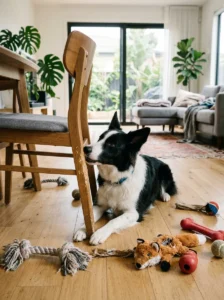
This is genuinely the most important thing to understand about this breed before considering ownership. A Border Collie’s intelligence isn’t simply a charming trait — without substantial, consistent mental and physical engagement, that same intelligence frequently manifests as destructive behavior, excessive barking, obsessive behaviors, or genuine behavioral distress. This breed was developed to work essentially all day, and a Border Collie kept as a companion animal without adequate outlet for that working drive often struggles significantly, regardless of how much their owner genuinely loves them.
Exercise and Mental Stimulation Needs
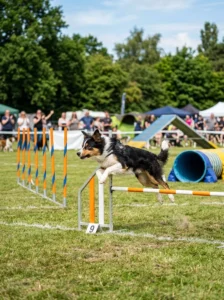
This deserves particular emphasis: Border Collies need substantially more than a daily walk. Most thrive with structured activities that engage both their physical energy and problem-solving intelligence — agility, herding trials (even using alternative “herding” with balls or other objects for dogs without access to livestock), advanced obedience training, or other genuinely challenging mental and physical work.
What this looks like practically:
⦁ At least an hour or more of vigorous physical exercise daily, often more
⦁ Regular, ongoing mental challenges — puzzle toys, advanced training, structured games — not just during puppyhood but throughout their life
⦁ Many Border Collie owners find dedicated dog sports (agility, flyball, herding-style activities) genuinely necessary, not optional, for this breed’s overall wellbeing
Training and Trainability
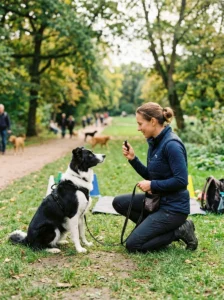
Border Collies are exceptionally trainable, often learning new commands or behaviors remarkably quickly given their intelligence and natural drive to work cooperatively with a handler. This trainability is part of why they’re so frequently used in demanding working roles and competitive dog sports, excelling in environments that channel their intelligence productively.
From what I’ve observed with my friend’s Border Collie: training sessions seem to function almost like genuine entertainment for this breed, with visible enthusiasm for learning new, increasingly complex tasks that would feel tedious or unnecessary to many other breeds.
Managing Herding Instinct in a Non-Working Environment
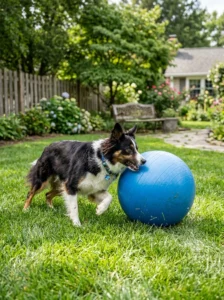
Without livestock to herd, many Border Collies redirect this strong instinct toward other moving targets — children, other pets, cars, bicycles, or joggers. This can manifest as nipping at heels, intense staring, or circling behavior. Managing this instinct, often through providing an appropriate outlet (like herding balls designed specifically for this purpose) alongside consistent training to redirect the behavior appropriately, matters significantly for households with this breed, particularly those with young children who might otherwise become an unintentional target for this instinctive behavior.
Grooming Needs
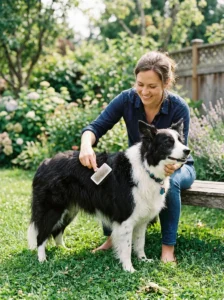
Border Collies typically have a medium-length double coat requiring regular brushing, particularly during seasonal shedding periods, though their grooming needs are generally more moderate than some other double-coated breeds covered elsewhere on our site.
Common Health Considerations
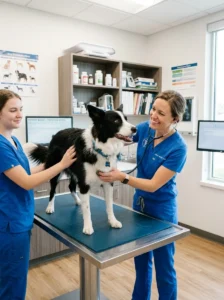
Hip dysplasia, relevant given their active, athletic lifestyle and moderate-to-large size, covered in our hip dysplasia guide.
Collie eye anomaly, a hereditary eye condition that responsible breeders typically screen for in breeding stock.
Epilepsy, with some documented elevated prevalence in this breed, worth discussing with your vet if any neurological symptoms appear.
Is a Border Collie Right for Your Household?

This breed genuinely suits a specific kind of owner — someone with substantial time, energy, and genuine interest in providing the demanding physical and mental engagement this breed requires, ideally including structured activities beyond simple daily walks. Border Collies are not generally well-suited to households wanting a more low-key companion, apartment living without substantial outdoor exercise access, or owners without the time and commitment to provide consistent, ongoing mental challenge throughout the dog’s life.
What Happens When This Breed’s Needs Aren’t Met

I want to be direct about this, since it’s a genuine welfare concern, not just a minor inconvenience consideration: Border Collies whose substantial needs aren’t met often develop significant behavioral problems — destructive behavior, excessive barking, obsessive compulsive-type behaviors (like repetitive tail-chasing or shadow-chasing), or genuine anxiety. This isn’t the breed misbehaving; it’s a genuine mismatch between the dog’s deep-seated needs and what they’re actually receiving, which is exactly why honest self-assessment before choosing this breed matters so significantly.
Border Collies and Livestock Work Today

While most companion Border Collies will never actually herd livestock, working-line Border Collies remain genuinely active in agricultural settings worldwide, considered by many farmers and herding enthusiasts to be unmatched in their natural herding ability and work ethic. This continued working tradition is part of why responsible breeding for working ability, alongside temperament, remains a significant focus within parts of the Border Collie breeding community, distinct from breeding focused purely on companion or show qualities.
Recognizing Genuine Border Collie Burnout or Overstimulation
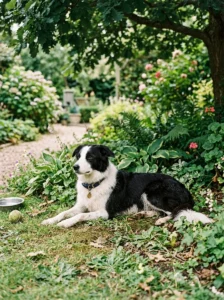
Interestingly, this intensely driven breed can actually experience a kind of overstimulation or burnout from excessive, poorly structured activity, distinct from the under-stimulation concerns covered earlier. Signs might include an inability to settle even after substantial exercise, excessive fixation on specific stimuli (shadows, light reflections, or repetitive movement) in a way that seems compulsive rather than simply engaged, or general heightened reactivity. This is a less commonly discussed but genuine consideration — the goal isn’t simply maximizing activity, but providing well-structured, appropriately varied physical and mental engagement that satisfies without tipping into overstimulation.
Border Collie Mixes: A Common and Often Wonderful Option
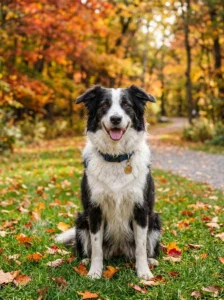
Given the breed’s distinctive traits, Border Collie mixes are common, particularly through rescue organizations, and often combine some of the breed’s intelligence and trainability with potentially somewhat more moderate energy levels depending on the other breed influence involved. If you’re drawn to Border Collie traits but uncertain about managing a purebred’s full intensity, a well-assessed mix might offer a more moderate version of these appealing characteristics, worth discussing directly with rescue staff who can speak to a specific dog’s actual observed temperament and energy level.
Comparing Border Collies to Other High-Drive Herding Breeds
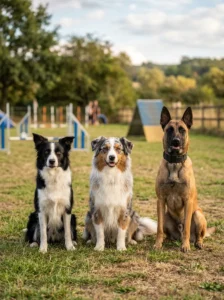
While Border Collies are often considered the archetypal high-intelligence herding breed, other herding breeds — Australian Shepherds (briefly mentioned in our active owners guide), Belgian Malinois, and various Collie types — share some similar intensity and drive, though with their own distinct temperament nuances. If you’re drawn to the Border Collie’s intelligence and work ethic but want to explore the broader herding breed category, researching these related breeds can reveal options with potentially somewhat different specific traits while sharing the fundamental need for substantial engagement that defines this broader breed category.
A Day in the Life With a Well-Managed Border Collie
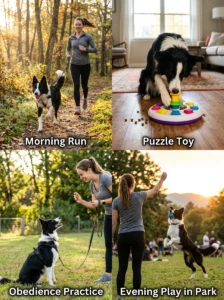
To make the substantial commitment covered throughout this guide more concrete, a typical day with a well-managed companion Border Collie often includes a significant morning exercise session (run, structured play, or training), a midday mental engagement break (puzzle toy, brief training session), an afternoon walk or activity, and evening training or structured play, often totaling several hours of deliberate engagement spread throughout the day, well beyond what a single daily walk would provide for a more moderate-energy breed.
Border Collies and Competitive Dog Sports
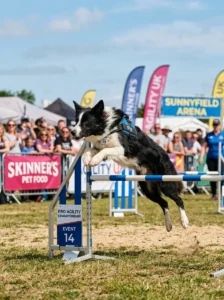
Given their exceptional athleticism and trainability, Border Collies frequently dominate competitive dog sports, particularly agility, where their speed, precision, and genuine enthusiasm for complex physical-mental challenges make them standout competitors. If you’re considering this breed and have any interest in structured dog sports, exploring local agility or herding trial clubs can provide exactly the kind of substantial, genuinely satisfying outlet this breed needs, while also connecting you with an experienced community of fellow Border Collie owners who understand this breed’s specific demands firsthand.
Border Collie Coat Types and Colors
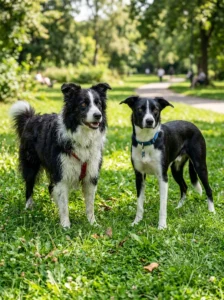
Border Collies come in two coat varieties — rough (longer) and smooth (shorter) — alongside a wide range of recognized colors and patterns, with the classic black-and-white pattern being most commonly associated with the breed, though merle, red, and various other colorations also occur. Coat type affects grooming needs more than temperament, with rough-coated Border Collies requiring somewhat more regular brushing than their smooth-coated counterparts.
Border Collies and Competitive Dog Sports
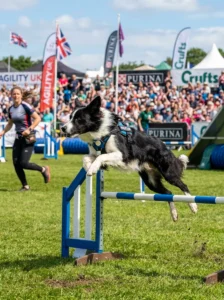
Given their exceptional trainability and athleticism, Border Collies dominate many competitive dog sports, particularly agility, where their combination of speed, precision, and handler responsiveness makes them frequent top performers. For owners genuinely committed to providing this breed’s substantial needs, exploring local agility or other dog sport clubs can provide exactly the kind of structured, demanding outlet this breed thrives on, often becoming a genuinely rewarding shared activity and community connection beyond simply managing the dog’s energy.
Recognizing Burnout in Border Collie Owners
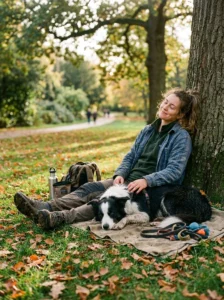
This is worth addressing honestly: the sustained, high-level commitment this breed requires can genuinely exhaust even well-intentioned owners over time, particularly if the initial decision to get a Border Collie underestimated the long-term demand involved. If you’re currently struggling to meet this breed’s needs consistently, this isn’t a personal failure — it’s worth honestly reassessing whether additional support (a dog walker, doggy daycare with appropriate activity levels, or professional training guidance) could help sustain a healthier long-term balance, rather than either burning out trying to meet every need solo or inadvertently under-serving the dog’s genuine requirements.
Border Collies and Multi-Pet Households

Given their strong herding instinct, introducing a Border Collie to other pets, particularly cats or smaller animals, deserves careful management given their tendency to want to herd or chase moving creatures. Many Border Collies do learn to coexist peacefully with other household pets through careful introduction and consistent training, though the underlying herding instinct typically remains present throughout their life, requiring ongoing awareness rather than assuming it’s something that fully resolves with initial training alone.
Border Collies and Other Herding Breeds: A Brief Comparison
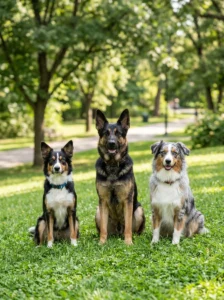
While this guide focuses specifically on Border Collies, other herding breeds — including Australian Shepherds, mentioned in our active owners guide, and German Shepherds, covered in their own dedicated guide — share some general herding-heritage traits, though each breed combines this working background with its own distinct temperament profile, energy level, and specific considerations worth researching individually rather than assuming uniform similarity across all herding breeds.
The Border Collie’s Distinctive “Eye” and Stalking Behavior

Beyond general herding instinct, Border Collies are specifically known for a distinctive behavior called “eye” — an intense, low, stalking posture and fixed stare used to control livestock movement without direct physical contact. This behavior often shows up clearly even in companion Border Collies without any actual herding experience, sometimes directed at household pets, children, or even inanimate moving objects, representing one of the most visually distinctive and instinctively deep-rooted traits of this particular breed compared to some other herding breeds with less pronounced “eye” behavior.
Border Collie Rescue Considerations

Given how demanding this breed’s needs genuinely are, Border Collie-specific rescue organizations often see a notable number of dogs surrendered specifically due to owners underestimating these substantial requirements before adoption. If you’re considering adopting a Border Collie, particularly an adult dog, working with a breed-specific rescue can provide valuable insight into that individual dog’s specific temperament, energy level, and any behavioral patterns that developed from a previous mismatched living situation, helping ensure a more informed, successful placement than adopting without this specialized guidance.
A few quick answers: Can a Border Collie be happy as a companion dog without actual herding work — Yes, provided substantial alternative outlets for their physical and mental needs are genuinely provided — structured dog sports, advanced training, and consistent mental engagement can successfully substitute for actual herding work for many Border Collies.. Are Border Collies good with children — This requires careful consideration given their herding instinct, which can manifest as nipping or attempting to herd children — proper training and management, along with teaching children appropriate interaction, matters significantly for this breed specifically.. How much exercise does a Border Collie actually need daily — Generally more than an hour of vigorous physical activity, combined with substantial mental engagement — many Border Collie owners describe their dog’s needs as significantly exceeding what a casual daily walk alone can provide.. Is a Border Collie a good choice for a first-time dog owner — Generally not recommended for most first-time owners, given the substantial commitment and experienced handling this breed’s intelligence and drive genuinely require — our guide to best breeds for first-time owners covers more suitable starting options..
The Border Collie’s remarkable intelligence is genuinely impressive to witness, but I think this breed deserves more honest discussion of what that intelligence actually demands, rather than just celebrating it as an uncomplicated positive trait. If you’re considering this breed, the most important question isn’t whether you’ll be charmed by their intelligence — it’s whether you can genuinely, consistently provide the substantial outlet that intelligence requires for this dog’s long-term wellbeing.
For related guidance, our guides on best breeds for active and outdoorsy owners and positive reinforcement training are excellent next reads.