Dachshunds have one of the most instantly recognizable silhouettes in the dog world, and having spent time around a neighbor’s pair of Dachshunds over the years, their personality consistently surprises people who expect a small dog’s temperament to match their compact size — these are genuinely bold, often stubborn, characterful little dogs whose personality feels considerably larger than their physical stature.
(I’m an experienced dog owner, not a breeder or veterinary professional. This reflects general breed information — given this breed’s specific spinal health considerations, a vet familiar with Dachshunds can offer particularly valuable, individualized guidance.)
Dachshund Temperament

Dachshunds were originally developed for badger hunting (their German name literally translates to “badger dog”), bred specifically to courageously pursue and confront prey in underground burrows. This history profoundly shapes the modern breed’s temperament — Dachshunds are typically bold, confident, and surprisingly tenacious for their small size, often showing little awareness of the size mismatch between themselves and whatever has caught their attention.
Common temperament traits:
⦁ Bold and confident, often showing a “big dog” attitude despite their small stature
⦁ Can be stubborn during training, reflecting their independent hunting heritage
⦁ Generally loyal and affectionate with their family, sometimes developing a particularly strong bond with one specific person
⦁ Alert and often vocal, making reasonably good watchdogs despite their size
⦁ Strong digging and burrowing instinct, reflecting their original hunting purpose
Why Spinal Health Deserves Central Attention for This Breed

This is genuinely the most important health consideration to understand before bringing home a Dachshund, given how directly their distinctive body shape relates to a significant health vulnerability. Dachshunds’ notably elongated spine and short legs, while part of what makes the breed so visually distinctive, also creates a structural predisposition toward intervertebral disc disease (IVDD) — a condition where the cushioning discs between vertebrae can bulge or rupture, sometimes causing significant pain, mobility issues, or in severe cases, paralysis.
Practical implications for daily care:
⦁ Discouraging jumping on and off furniture, which places significant stress on their elongated spine — using ramps or steps instead is commonly recommended
⦁ Supporting their body properly when picking them up, supporting both the front and back of their body rather than lifting under the front legs alone, which can strain their back
⦁ Maintaining a healthy weight is particularly important for this breed, since excess weight places additional stress on an already vulnerable spinal structure
⦁ Being attentive to any signs of back pain, reluctance to move, or changes in mobility, and seeking prompt veterinary attention given how time-sensitive IVDD treatment can be for the best possible outcome
Exercise Needs

Dachshunds have moderate exercise needs, generally satisfied with regular walks and play, though high-impact activities (jumping, certain rough play) should be approached cautiously given the spinal health considerations covered above. Their hunting heritage means many Dachshunds also genuinely enjoy scent-based activities, similar to the enrichment value covered in our Beagle guide for another scent-driven breed.
Training and Trainability
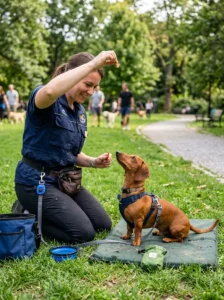
Dachshunds can be more independently minded and occasionally stubborn during training, reflecting their heritage as a breed developed to work somewhat independently while hunting underground, away from direct handler guidance. This doesn’t mean they’re untrainable — consistent, patient, positive reinforcement methods, covered throughout our training guides, generally work well, though owners should expect this breed’s training to potentially require more persistence than with naturally more biddable breeds.
Grooming Needs

This varies by Dachshund coat type, since the breed comes in three coat varieties — smooth, long-haired, and wire-haired.
Smooth-coated Dachshunds have minimal grooming needs beyond occasional brushing and standard care.
Long-haired Dachshunds require more regular brushing to prevent matting and tangling.
Wire-haired Dachshunds benefit from regular brushing and sometimes professional grooming (hand-stripping) to maintain their distinctive coat texture.
Regardless of coat type, standard nail, dental, and ear care apply, with particular attention to their ears given the floppy ear structure common across all Dachshund coat varieties.
Common Health Considerations

Intervertebral disc disease (IVDD), covered in detail above, is the breed’s most significant and well-documented health concern, directly related to their distinctive body structure.
Obesity, which carries particular significance for this breed given how directly excess weight exacerbates spinal health risk, making the weight management principles covered in our weight chart guide especially relevant.
Dental issues, given their relatively small jaw structure, which can be prone to crowding and related dental health challenges, covered in our dental care guide.
Eye conditions, including some hereditary conditions that responsible breeders typically screen for in breeding stock.
Dachshunds and Children

Dachshunds can do well with children, particularly older children who understand gentle handling, though their spinal vulnerability means they’re generally less suited to very young children who might inadvertently handle them too roughly, given how directly rough handling can risk injury to this breed’s particularly vulnerable back structure.
Are Dachshunds Good for First-Time Owners?

This depends on the prospective owner’s tolerance for some training independence and genuine commitment to the spinal health precautions this breed specifically requires. Dachshunds can make wonderful companions for owners who research and accept these breed-specific considerations going in, though their care needs are somewhat more specialized than some other commonly recommended beginner breeds.
Dachshund Coat Colors and Patterns
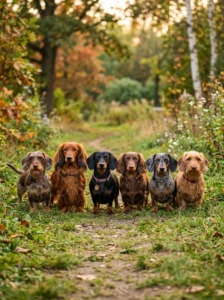
Beyond the three coat types covered earlier, Dachshunds also come in a remarkable variety of colors and patterns — solid red, black and tan, chocolate, and various dappled or piebald patterns among others. This variety, combined with the three coat types, means individual Dachshunds can look quite different from each other while sharing the same fundamental temperament and the same important spinal health considerations regardless of their specific color or coat variety.
Miniature vs. Standard Dachshunds
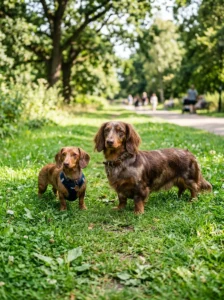
Dachshunds come in two general size varieties — Miniature and Standard — with Miniatures generally weighing under 11 pounds and Standards typically ranging higher, sometimes up to around 32 pounds. Both sizes share the same fundamental temperament traits and spinal health considerations, though the size difference is worth factoring into specific household considerations, similar to how the Poodle’s three sizes (covered in our dedicated guide) offer size-based choice within a consistent overall breed temperament.
Dachshunds and Digging: A Strong Instinctive Behavior

Reflecting their burrow-hunting heritage, many Dachshunds show a genuinely strong digging instinct, sometimes directed at yard digging (covered more broadly in our digging behavior guide) or even attempting to dig into couch cushions, blankets, or bedding in an apparent burrowing behavior. Understanding this as a deeply instinctive trait, rather than simple misbehavior, helps inform a more effective management approach — providing appropriate outlets (like a designated digging area, or simply accepting some blanket-burrowing as a harmless breed quirk) rather than purely trying to suppress an instinct this deeply embedded in the breed’s heritage.
Ramps and Furniture Access: Practical Setup Suggestions

Given the jumping-related spinal risk covered earlier, setting up your home with practical accommodations genuinely matters for this breed. Pet ramps or small steps for accessing furniture or beds your Dachshund typically uses, keeping favorite resting spots at floor level where possible, and being consistent about discouraging jumping even when your dog seems eager and capable in the moment all contribute to reducing cumulative spinal stress over their lifetime, rather than waiting for an actual injury before implementing these protective habits.
Working With Your Vet on Long-Term Spinal Health Monitoring

Given how significant IVDD risk is for this breed specifically, establishing a relationship with a vet who takes this consideration seriously, and discussing proactive monitoring or preventive strategies at routine checkups, matters more for Dachshund owners than it might for breeds without this particular structural vulnerability. Some vets may recommend specific supplements or monitoring approaches for at-risk individual dogs, which is worth discussing directly rather than assuming a one-size-fits-all approach applies equally to every Dachshund regardless of their specific build and activity level.
Dachshunds as Watchdogs
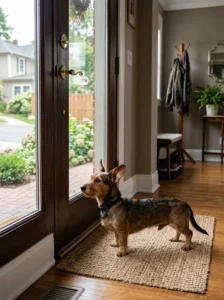
Despite their small size, Dachshunds often take their alert, watchful instincts seriously, frequently announcing visitors or unusual sounds with notable vocal enthusiasm. This makes them surprisingly effective watchdogs relative to their size, though it also means barking-related training, covered in our barking guide, is worth prioritizing if excessive vocalization becomes an issue, particularly relevant for apartment or close-quarters living situations.
Dachshunds and Their Famous Name’s German Origins

Beyond the badger-hunting translation mentioned earlier, it’s worth knowing that this hunting purpose directly shaped nearly every aspect of the breed’s distinctive physical structure — their long, low body allowing them to enter and navigate underground burrows, their strong, paddle-like paws originally suited for digging, and their loud, distinctive bark useful for alerting hunters to their location while working underground out of sight. Understanding this functional origin for each seemingly unusual physical trait helps explain why the modern Dachshund, even as a companion animal generations removed from active hunting work, retains such strong instinctive behaviors so clearly connected to this original specialized purpose.
The Three Dachshund Sizes: Standard and Miniature

Beyond the coat type varieties already covered, Dachshunds also come in two size varieties — Standard and Miniature — with Miniatures being notably smaller, generally favored by owners specifically prioritizing a more compact size, though both varieties share the same fundamental temperament traits and spinal health considerations covered throughout this guide. Miniature Dachshunds may be even more delicate given their smaller size, meaning the careful handling guidance covered earlier deserves, if anything, even more consistent attention with this smaller variety.
Recognizing Early Signs of Back Pain in Dachshunds

Given how central spinal health is to this breed’s care, learning to recognize early, sometimes subtle signs of back discomfort matters significantly. Watch for reluctance to jump or climb (even onto previously routine surfaces), a hunched or tense posture, crying out or yelping when picked up or touched along the back, reduced activity or reluctance to move normally, and in more advanced cases, weakness or dragging of the hind legs. Any of these signs warrant prompt veterinary attention, since early intervention for back-related issues in this breed genuinely affects long-term outcomes, similar to the broader principles covered in our signs of pain guide.
Dachshund-Specific Exercise Recommendations
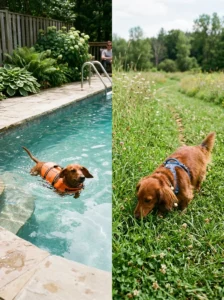
Beyond general moderate exercise guidance, some specific activities are worth particular consideration for this breed. Swimming, when properly supervised, can offer excellent low-impact exercise that doesn’t stress the spine the way jumping or rough play might. Controlled, flat-terrain walks are generally preferable to activities involving repeated jumping or navigating significant elevation changes. Many Dachshund owners also find that incorporating their breed’s natural scent-driven instincts into exercise — through nose work games or scent trails — provides mental stimulation alongside physical activity in a format that’s inherently gentler on their spine than more physically jarring exercise options.
A few quick answers: Should I really avoid letting my Dachshund use stairs — Many vets recommend minimizing repeated stair use, or at least being thoughtful about it, given the cumulative stress on their spine — using ramps where practical, and avoiding situations involving frequent jumping, tends to be more specifically emphasized than complete stair avoidance.. Are wire-haired or long-haired Dachshunds different in temperament from smooth-coated ones — Generally not significantly — temperament tends to be fairly consistent across the breed’s coat varieties, with the main differences being grooming needs rather than fundamental personality traits.. How serious is intervertebral disc disease if it develops — This varies in severity, from manageable discomfort to more serious mobility issues or paralysis in severe cases — prompt veterinary attention at the first sign of back pain or mobility changes genuinely matters for the best possible treatment outcome.. Do Dachshunds get along well with other pets — This varies by individual dog, though their hunting heritage means some individuals have a notable prey drive that’s worth considering carefully in households with smaller pets like rabbits or rodents..
The Dachshund’s combination of bold personality and genuine spinal vulnerability makes this a breed where informed, attentive care matters significantly more than their compact size might suggest. If you’re considering this breed, building the spinal-health-conscious habits covered throughout this guide into your daily routine from the start will serve your Dachshund’s long-term wellbeing far better than addressing these considerations only after a problem develops.
For related guidance, our guides on dog weight management and small dog breeds are excellent next reads.