I know several genuinely active, outdoorsy people — regular hikers, runners, people who structure significant parts of their week around outdoor activity — who’ve specifically chosen their dog breed to be a capable partner in that lifestyle, rather than an afterthought fitted around it. Watching how these specific breed choices have played out in practice has taught me what actually matters for this particular kind of breed-lifestyle match, beyond the simple “high energy” label that gets applied broadly.
(I’m an experienced dog owner, not a behaviorist or breeder. This reflects general breed information for active lifestyle matching — individual dogs vary, and building up to intense activity gradually, alongside vet guidance on appropriate exercise for your specific dog’s age and health, matters regardless of breed selection.)
What Actually Matters for an Active Lifestyle Match
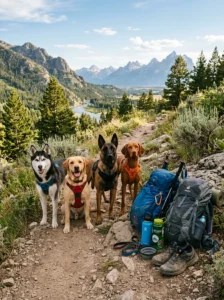
Beyond simply “high energy,” a few specific factors matter for genuinely suiting an active, outdoor-focused owner.
Endurance and stamina for sustained activity, not just short bursts of energy, particularly relevant for owners interested in longer hikes, runs, or extended outdoor activities.
Heat and cold tolerance, relevant for owners pursuing outdoor activity across varied weather conditions and seasons, since some breeds handle temperature extremes far better than others.
Trainability for off-leash reliability, given that many outdoor activities benefit from (or require) a dog capable of reliable recall and off-leash behavior in varied environments, covered in our recall training guide.
Coat and paw considerations for the specific terrain and conditions you’ll actually be covering, since rough terrain, water activities, or extreme weather each favor somewhat different physical traits.
Labrador Retriever
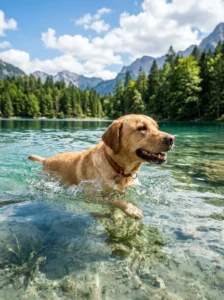
Covered in detail in our dedicated breed guide, Labradors combine substantial endurance, genuine enthusiasm for varied outdoor activities (including swimming, given their retrieving heritage), and strong trainability, making them a frequently recommended choice for active owners.
Border Collie
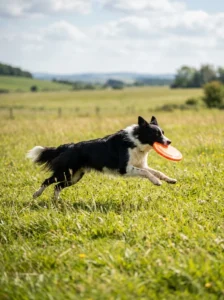
Covered extensively in our dedicated breed guide, Border Collies offer exceptional stamina and trainability, suiting owners genuinely committed to providing substantial, consistent outdoor engagement, though their needs extend well beyond moderate activity into genuinely demanding daily commitment.
Australian Shepherd

Similar in some respects to Border Collies, Australian Shepherds combine high energy, intelligence, and athleticism, suiting owners interested in activities like hiking, running, or structured dog sports, given their working heritage and substantial exercise needs.
Siberian Husky
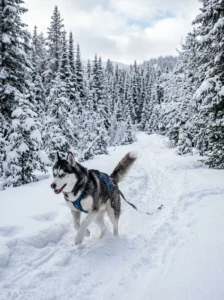
Known for remarkable endurance and cold tolerance, reflecting their heritage as sled dogs, Huskies suit owners in cooler climates pursuing activities like running or hiking, though their independent temperament and strong prey drive require thoughtful training and secure containment given their historical breeding for sustained, independent work over long distances.
Vizsla

A versatile hunting breed known for high energy and genuine enthusiasm for running alongside their owner, Vizslas suit active owners well, particularly those interested in running specifically, given the breed’s natural endurance and athletic build.
German Shorthaired Pointer
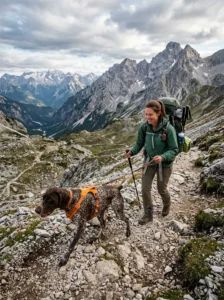
Another versatile hunting breed with substantial exercise needs and genuine athleticism, German Shorthaired Pointers suit owners pursuing varied outdoor activities, combining trainability with the stamina needed for sustained physical activity.
Weimaraner
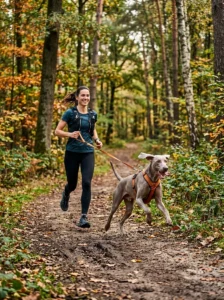
Known for high energy and a strong need for both physical exercise and close companionship, Weimaraners suit active owners who can provide substantial outdoor engagement alongside genuine attention, given their tendency toward separation-related stress if left under-engaged or alone too frequently.
Rhodesian Ridgeback
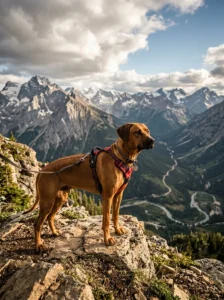
Combining substantial size, athleticism, and endurance, Rhodesian Ridgebacks suit active owners interested in activities like hiking or running, though their independent streak (reflecting their heritage as a hunting breed bred to track large game somewhat independently) means consistent training matters for reliable off-leash behavior.
Matching Specific Activities to Specific Breeds
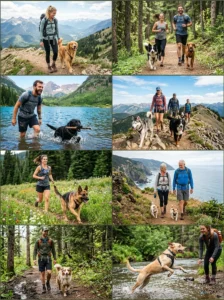
For running specifically, breeds with genuine endurance and a build suited to sustained movement — like Vizslas, Labradors, or Border Collies — tend to make better running partners than breeds with brachycephalic anatomy (covered in our French Bulldog guide) or very short legs that aren’t built for sustained pace matching.
For hiking varied terrain, breeds with solid stamina and reasonably hardy paw structure, like German Shorthaired Pointers or Australian Shepherds, often handle extended, varied terrain well.
For cold-weather activity, breeds with substantial double coats and cold tolerance, like Siberian Huskies, are specifically suited to this environment in ways that thinner-coated or heat-adapted breeds aren’t.
For water-based activities, breeds with a genuine retrieving or water-work heritage, like Labradors or Portuguese Water Dogs, tend to show natural enthusiasm and physical suitability for swimming and water play.
Building Up to Intense Activity Safely, Regardless of Breed
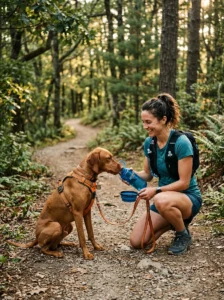
Even with a breed well-suited to active lifestyles, building up exercise intensity gradually matters, particularly for young, still-developing dogs whose joints aren’t yet fully formed, and for any dog newly transitioning into a significantly more active routine than they’re accustomed to. Our joint health guide covers some of these considerations, and checking with your vet about appropriate exercise intensity for your specific dog’s age, breed, and health status is worth doing before launching into intensive activity, regardless of how well-suited the breed is in general.
Weather and Safety Considerations for Active Outdoor Dogs

Regardless of breed, any dog engaging in significant outdoor activity benefits from attention to weather-related safety — our heatstroke guide covers heat-specific risks particularly relevant to vigorous activity in warm conditions, while cold-weather activity (less relevant to our own hot climate, but worth knowing if you travel or relocate) carries its own distinct considerations depending on the specific breed’s cold tolerance.
Gear and Equipment for Active Dogs
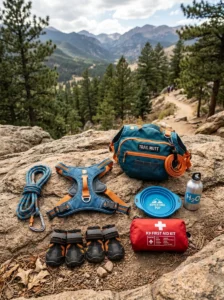
Beyond breed selection, having appropriate gear matters for safely engaging in active pursuits with your dog. This includes well-fitted harnesses designed for running or hiking specifically (different from a standard walking harness), paw protection for rough or hot terrain when needed, and appropriate hydration gear for longer outings, ensuring your dog has access to water during extended activity regardless of the specific breed’s general hardiness.
Recognizing Signs Your Active Dog Needs a Rest Day
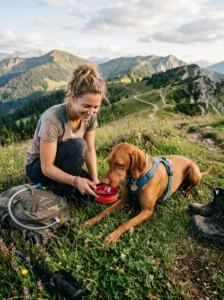
Even genuinely high-energy, athletic breeds benefit from occasional rest days, and learning to recognize signs of fatigue, mild soreness, or simply reduced enthusiasm matters for long-term joint and overall health, regardless of how capable a specific breed seems for sustained activity. This is particularly relevant for highly driven breeds like Border Collies, who may push through genuine fatigue or discomfort given their strong work ethic, making it the owner’s responsibility to recognize when rest is genuinely needed rather than relying on the dog to self-regulate appropriately.
Building a Multi-Activity Routine for Variety
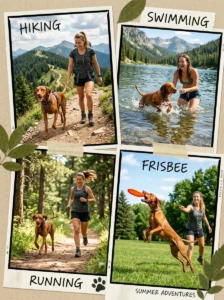
Rather than relying on a single activity type repeated daily, many active-breed owners find that varying activities — alternating between running, hiking, swimming, and structured training or dog sports — provides both physical variety that reduces repetitive strain injury risk and mental engagement that prevents the boredom some highly active breeds can experience with overly repetitive exercise routines.
Traveling With an Active Dog
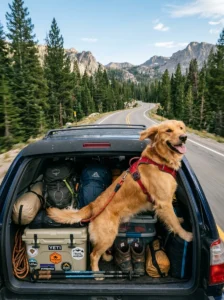
If your active lifestyle includes travel — camping trips, road trips to hiking destinations, or similar adventures — researching pet-friendly accommodations and trail policies in advance, alongside ensuring your dog’s training (particularly recall reliability) is solid enough for the specific environments you’ll encounter, helps ensure these shared adventures go smoothly for both you and your active companion.
Australian Cattle Dog: Another Option for Genuinely Driven Owners
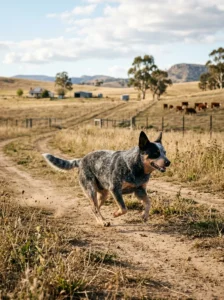
Beyond the breeds already covered, Australian Cattle Dogs (sometimes called Blue or Red Heelers) represent another genuinely high-energy, intelligent option for very active owners, sharing some similarities with Border Collies in their need for substantial physical and mental engagement, reflecting their own herding heritage. Their notable toughness and endurance, combined with strong loyalty, make them popular among owners pursuing genuinely demanding outdoor activities, though like Border Collies, they’re generally not recommended for owners unable to provide their substantial, consistent engagement needs.
Considering Age-Related Activity Adjustments for Active-Breed Owners
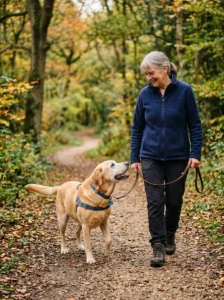
As active dogs age into their senior years, even genuinely athletic breeds need adjusted exercise approaches, covered more broadly in our senior dog care guide and joint health guide. Planning for this eventual transition — recognizing that the intensely active lifestyle suited to a young, healthy dog of these breeds will need thoughtful modification as they age — is worth factoring into your long-term expectations when choosing one of these naturally high-energy breeds as a lifelong companion.
The Genuine Reward of an Active-Breed Partnership

Despite the substantial commitment covered throughout this guide, owners who genuinely match their active lifestyle with an appropriately energetic breed often describe a uniquely rewarding partnership — a dog who’s a genuine companion for the activities you love, rather than something fitted awkwardly around a lifestyle that doesn’t naturally suit them. This genuine alignment between owner and dog, when it works well, represents one of the most fulfilling versions of the human-dog relationship, making the upfront research and honest self-assessment covered throughout this guide a genuinely worthwhile investment for the right kind of active owner.
Border Collies and Australian Shepherds for Structured Dog Sports
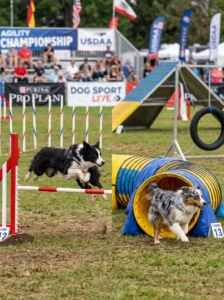
For owners specifically interested in competitive or structured dog sports — agility, flyball, disc dog competition, or similar activities — breeds covered in our Border Collie guide and Australian Shepherds tend to particularly excel, given their combination of athleticism, intelligence, and genuine enthusiasm for structured physical and mental challenges. If your “active lifestyle” specifically includes interest in these kinds of organized activities, rather than simply general outdoor exercise, these breeds’ working heritage makes them especially well-suited training partners for this more structured approach to activity.
Trail Running and Hiking Safety Considerations Beyond Breed Selection
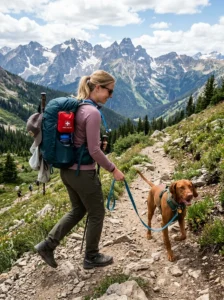
Regardless of which active breed you choose, certain safety practices matter for trail running or hiking specifically: carrying adequate water for your dog (not just yourself), being aware of trail-specific hazards like wildlife encounters or terrain that might be harder on paws than your dog’s usual walking surfaces, and building up distance and difficulty gradually rather than immediately attempting your own established fitness routine with a dog who hasn’t built up the same conditioning, even if the breed is generally well-suited to this activity.
Considering Multi-Activity Versatility
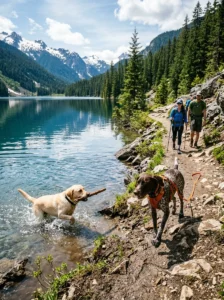
Some prospective active owners specifically want a breed capable of versatility across multiple activity types — swimming, running, hiking, and general outdoor engagement — rather than excelling narrowly in just one area. Labradors, covered in detail in our dedicated guide, and German Shorthaired Pointers tend to offer this kind of genuine cross-activity versatility, given their historical development as all-purpose hunting companions rather than breeds specialized narrowly for a single specific working purpose.
What Happens When an Active Breed’s Owner’s Lifestyle Changes

It’s worth genuinely considering, before committing to a high-energy active breed, what would happen if your own activity level or available time changed significantly — an injury, a demanding new job, a major life transition. Active breeds whose substantial needs suddenly aren’t being met can develop real behavioral challenges, which is part of why honest, forward-looking consideration of your own lifestyle stability matters alongside the breed-specific research covered throughout this guide.
A few quick answers: Can a high-energy breed thrive without intensely active owners, if given enough exercise some other way — This is more difficult than it might seem — breeds genuinely bred for sustained activity often need that activity specifically with engaged participation, not just access to a yard or occasional walks, which is part of why honest self-assessment matters before choosing one of these breeds.. Is it safe to run with a puppy of an active breed right away — No — most vets recommend waiting until a puppy’s growth plates have closed (timing varies by breed and size) before engaging in sustained, repetitive high-impact exercise like running, even for breeds ultimately well-suited to this activity as adults.. Do active breeds need less mental stimulation if their physical exercise needs are met — Generally no — many of the breeds covered in this guide, particularly working and herding breeds, need both substantial physical exercise and genuine mental engagement, with physical activity alone often insufficient for their complete wellbeing.. What if I want an active breed but live somewhere with extreme heat — This is worth factoring in heavily — some active breeds (like Huskies) are specifically poorly suited to hot climates regardless of their general energy level, making heat tolerance just as important a selection criterion as raw energy level for active owners in hot climates like ours..
Choosing a breed genuinely suited to an active, outdoor lifestyle benefits from looking beyond simple “high energy” labels toward the specific combination of endurance, trainability, and climate suitability that matches your actual planned activities. Whichever active breed you’re considering, building up activity intensity gradually and staying attentive to weather-related safety will serve both you and your dog well throughout your shared active life together.
For related guidance, our guides on Border Collies and recall training are excellent next reads.