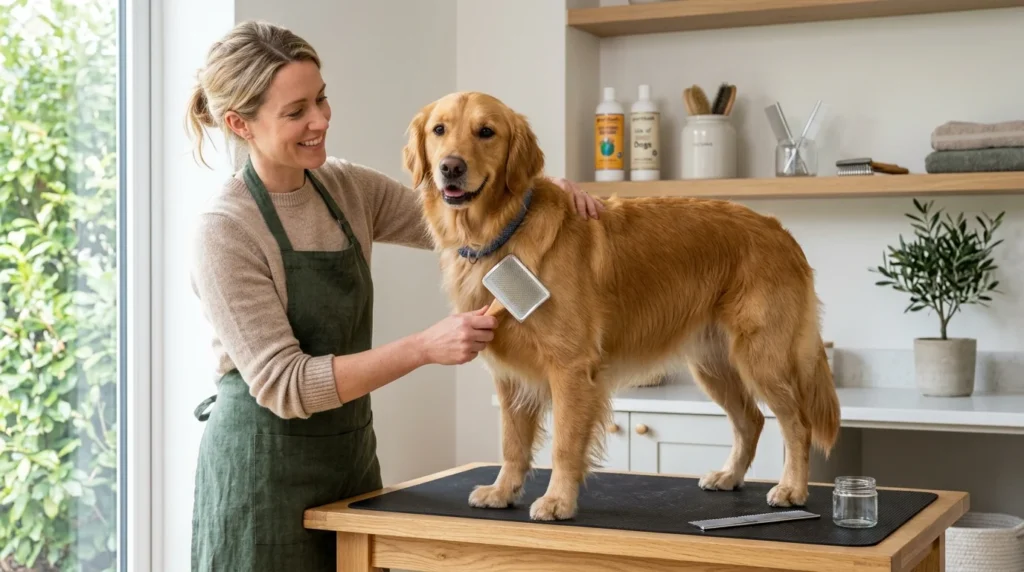
When our vet flagged that Bruno had crept up to a weight that warranted attention, one of the trickiest parts of the adjustment wasn’t the actual meal portions — it was figuring out how to keep using treats for training and bonding without sabotaging the broader weight management effort. This pushed me to actually learn about low-calorie treat options, rather than just cutting treats out entirely, which felt like an unsustainable, joyless approach.
(Worth noting upfront: I’m an experienced dog owner, not a veterinarian or nutritionist. This reflects general guidance for treat selection during weight management — your vet can offer specific portion and calorie targets appropriate for your individual dog’s weight loss or maintenance goals.)
Why Treats Matter Even During Weight Management

Cutting treats out entirely isn’t usually necessary or even ideal — treats serve real purposes beyond just being an indulgence, including training reinforcement, bonding moments, and general enrichment. The goal during weight management isn’t eliminating treats, but choosing genuinely lower-calorie options and being more mindful of portion and frequency, while factoring treat calories into your dog’s overall daily intake.
Naturally Low-Calorie Treat Options

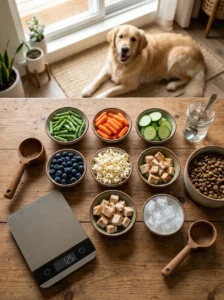
Plain green beans (fresh, frozen and thawed, or canned without added salt) — crunchy, low-calorie, and many dogs genuinely enjoy them as a treat, not just a vegetable obligation.
Carrot sticks or baby carrots — another low-calorie, satisfying crunch that works well both as a treat and for the chewing satisfaction some dogs seem to enjoy.
Plain cucumber slices — very low in calories, with high water content, making it a refreshing option particularly in hot weather.
Air-popped popcorn (plain, no butter, salt, or seasoning) — surprisingly low-calorie per piece, making it useful for situations needing many small rewards, like training sessions.
Small pieces of plain, cooked lean protein, like chicken breast — while not calorie-free, lean protein in appropriately small portions provides high training value without excessive calories compared to many commercial treats.
Frozen blueberries — small, low-calorie, and the frozen texture adds some novelty and longer enjoyment per piece compared to a treat that disappears instantly.
Plain ice cubes, particularly in hot weather — essentially calorie-free, and some dogs genuinely enjoy crunching on ice as a treat, providing both enrichment and a bit of hydration.
Adjusting Portion Size of Existing Treats

If your dog has favorite treats that aren’t inherently low-calorie, simply reducing the portion size used per reward can make a meaningful difference without eliminating a treat your dog genuinely loves. Breaking treats into smaller pieces than the packaging suggests, particularly for training where frequent small rewards matter more than treat size, stretches the calorie impact significantly.
From my experience: With Bruno, we started breaking his usual training treats into much smaller pieces than we previously had, which honestly didn’t seem to reduce his enthusiasm or the effectiveness of the reward at all — the act of receiving something, rather than the size specifically, seemed to matter most to him.
Choosing Lower-Calorie Commercial Treats

If you prefer commercial treats, a few things to look for:
Check the calorie content per treat, which should be listed on the packaging, allowing for actual comparison between products rather than guessing based on size or marketing.
Look for treats specifically marketed for training, which are often smaller and lower-calorie per piece than treats marketed as a more substantial snack.
Be cautious of “low-fat” claims alone, since fat content reduction doesn’t automatically mean significantly lower overall calories — check the actual calorie count directly.
Calculating Treats Into Your Dog’s Daily Calorie Budget

This is the step that made the most practical difference for us. Rather than treating treats as somehow separate from Bruno’s overall diet, we started factoring treat calories into his total daily calorie target, generally aiming to keep treats under about 10% of his total daily calories, with the rest coming from his measured regular meals.
This sometimes meant slightly reducing his regular meal portion on days with more treat-heavy training sessions, rather than simply adding treats on top of an already-calculated full meal portion without adjustment.
Using Treats More Strategically During Weight Management

Reserve higher-value treats for situations that genuinely need them, like challenging training moments or recall practice around real distractions, rather than using them for routine, lower-stakes situations where a lower-calorie option works just as well.
Consider non-food rewards sometimes, like a favorite toy, play session, or praise, particularly for situations where food isn’t strictly necessary for the training or bonding goal.
Use puzzle feeders or slow feeders with regular kibble portions, which can provide the engagement and mental stimulation benefit of treat-time without adding extra calories beyond the regular meal.
Treats for Dogs With Specific Health Conditions

If your dog has a condition like diabetes or pancreatitis, in addition to weight management, treat selection needs even more careful consideration — discuss specific appropriate options with your vet, since some otherwise “healthy” low-calorie options (like certain higher-sugar fruits) may not be appropriate for every health situation.
Tracking Progress During Weight Management

Alongside thoughtful treat selection, tracking your dog’s weight and body condition regularly, as covered in our weight chart guide, helps confirm whether your overall approach (including treat adjustments) is actually working, rather than assuming changes are effective without checking.
What We Learned From Bruno’s Weight Management Process
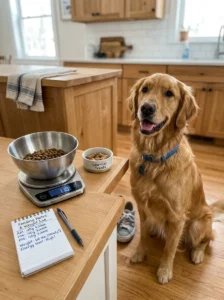
Beyond the specific treat strategies, the bigger lesson was recognizing how much small, seemingly insignificant extras can add up over time without careful attention. Treats alone weren’t the sole cause of Bruno’s weight creep, but being more thoughtful about them became a meaningful, sustainable part of the broader solution, alongside adjusting his regular meal portions based on the calculations covered in our feeding chart guide.
Treats and the Psychology of Weight Management Success

Something I didn’t fully appreciate before going through this process with Bruno: the psychological, relational aspect of treat-giving matters almost as much as the calorie content for many owners, myself included. Treats often function as an expression of affection and connection, which is part of why simply cutting them out can feel emotionally difficult, beyond the practical training considerations. Finding genuinely satisfying lower-calorie alternatives, rather than eliminating the treat-giving ritual entirely, helped preserve that emotional and relational component while still supporting Bruno’s actual weight management goals — a balance I’d encourage other owners navigating a similar situation to prioritize, rather than viewing treat reduction purely as a calorie-counting exercise stripped of its relational meaning.
Involving the Whole Household in Treat Consistency
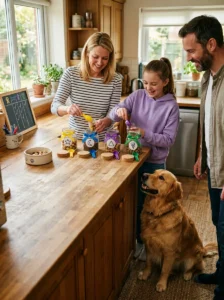
If multiple people in your household give your dog treats, weight management efforts can be undermined without everyone being on the same page about appropriate options and portions. We made a point of clearly communicating Bruno’s specific treat guidelines to everyone in our household, including approximate portion sizes for his approved low-calorie options, since well-meaning extra treats from someone unaware of the broader weight management effort can meaningfully set back progress without anyone intending to cause a problem.
Treats During Special Occasions and Celebrations

Birthdays, holidays, and other special occasions naturally invite the temptation to indulge a dog with extra or richer treats, and navigating this during an active weight management period deserves some thought. We’ve found that having a few “special occasion” lower-calorie options reserved specifically for these moments — rather than completely abstaining or completely indulging — helps mark these occasions as genuinely special without derailing overall progress, striking a sustainable middle ground that doesn’t feel punitive during times that are meant to be celebratory.
Reassessing Treat Strategy as Weight Goals Are Met

Once a dog reaches their target weight, treat strategy often shifts from active restriction toward sustainable maintenance, which is worth planning for rather than assuming the same intensive approach used during active weight loss needs to continue indefinitely. With Bruno, once he reached a healthier weight, we gradually reintroduced slightly more variety in his treats, while maintaining the awareness and portion consciousness we’d built during the more restrictive phase. This maintenance approach has felt more sustainable long-term than either returning fully to old habits or maintaining the same level of strict calorie-counting indefinitely once the original goal had been achieved.
Low-Calorie Treats for Multi-Dog Households With Different Needs

If you have multiple dogs with different weight management needs, as some households do, treat strategy can get more complex. We’ve managed this by keeping clearly separate treat options for each dog when needed, ensuring a dog who doesn’t need calorie restriction isn’t inadvertently limited unnecessarily, while a dog who does need restriction isn’t accidentally given a higher-calorie treat meant for their housemate. Clear labeling or physical separation of different treat stocks has helped prevent mix-ups, particularly during busy moments when it would be easy to grab the wrong option without thinking carefully.
The Role of Exercise Alongside Treat Management

It’s worth remembering that treat and calorie management represents only one half of a weight management equation — appropriate exercise matters just as significantly. Working with our vet to also increase Bruno’s activity level appropriately, alongside the dietary and treat adjustments covered throughout this guide, created a more complete, effective approach than focusing on calorie reduction alone. If you’re navigating weight management for your own dog, it’s worth ensuring your overall plan addresses both sides of this equation rather than relying solely on treat and food adjustments in isolation.
Quick Reference
On the question of Should I stop giving treats entirely while my dog is losing weight?: Not necessarily — choosing lower-calorie options and factoring them into the overall daily calorie budget is generally more sustainable than eliminating treats entirely, which can make training and bonding moments more difficult to maintain. On the question of Are fruits and vegetables always lower calorie than commercial treats?: Generally yes for the specific options listed here, though some fruits (like banana or mango) are higher in natural sugar and calories than others, so it’s still worth being mindful of which specific options and portions you’re using. On the question of How do I know if my treat adjustments are actually making a difference?: Regular weight and body condition tracking, alongside your vet’s guidance, is the most reliable way to confirm whether your overall approach — including treat choices — is supporting your dog’s weight management goals effectively. On the question of Can I use my dog’s regular kibble as treats during training instead of separate treats?: Yes, this is actually a commonly recommended strategy, since it doesn’t add any extra calories beyond what’s already accounted for in your dog’s regular meal portion — just set aside a portion of the daily kibble allotment specifically for training use throughout the day.
Working through Bruno’s weight management taught me that treats don’t have to be the enemy of a healthy weight — they just need more thoughtful selection and portion awareness than I’d previously given them. If you’re navigating something similar, I’d encourage focusing on smarter treat choices and accurate calorie tracking rather than eliminating an important part of your training and bonding routine altogether.
For more on weight management, our guides on assessing your dog’s weight and how much to feed your dog are excellent companion reads.