When I first brought Bruno home, grooming felt like something I’d figure out as I went, mostly winging it with a brush I’d grabbed at the pet store without much research. Years (and one memorable, slightly disastrous early nail-trimming attempt) later, I’ve built a genuinely solid home grooming routine for both Bruno and Mishi, and this guide is everything I wish someone had walked me through from the start.
(I’m an experienced dog owner, not a professional groomer. This reflects what’s worked for us through real trial and error — for breeds with particularly demanding coat types, or for any grooming task that makes you or your dog genuinely uncomfortable, a professional groomer remains a valuable resource worth using rather than forcing through alone.)
Why Home Grooming Is Worth Learning, Even If You Use a Groomer Too

Even if you regularly use professional grooming services, knowing the basics of home grooming matters for a few real reasons: it lets you maintain your dog’s coat and hygiene between professional appointments, it gives you more frequent opportunities to notice skin issues, lumps, or other changes early, and it genuinely builds trust and comfort between you and your dog through regular positive handling.
Building a Basic Grooming Toolkit
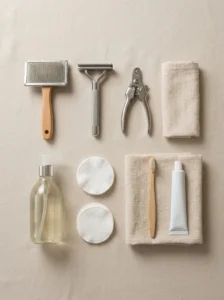
Before diving into specific techniques, here’s what’s actually proven useful in our house, rather than every gadget marketed as essential:
⦁ A slicker brush, useful for most coat types to remove loose fur and prevent matting
⦁ A deshedding tool, particularly valuable for double-coated breeds during seasonal shedding
⦁ Nail clippers or a grinder, whichever style you and your dog tolerate better
⦁ Dog-specific shampoo, never human shampoo, which has a different pH than what’s appropriate for canine skin
⦁ Cotton balls or pads and a vet-approved ear cleaner
⦁ A dental kit — toothbrush and dog-safe toothpaste
⦁ Towels dedicated to dog use, since bath time and muddy walks will put these through real wear
Brushing: The Foundation of Home Grooming
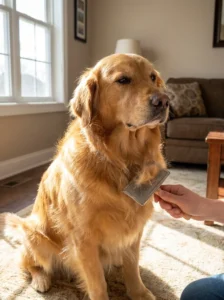
Brushing frequency depends significantly on coat type, covered in more breed-specific detail throughout our breed guides, but as a general framework:
Short-coated breeds generally do well with weekly brushing, increasing during shedding seasons.
Double-coated breeds typically need several brushing sessions weekly, with daily brushing often necessary during heavier seasonal shedding periods.
Long-haired or curly-coated breeds usually need brushing every few days at minimum to prevent matting, sometimes daily depending on coat length and texture.
Technique matters as much as frequency. Brush in the direction of hair growth, working through one section at a time rather than rushing across the whole body, and be especially gentle around sensitive areas like the belly, legs, and face.
Bathing: How Often Is Actually Necessary
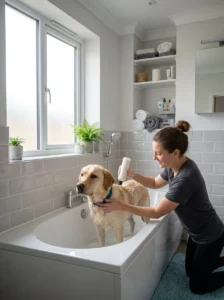
This is a topic with genuinely more nuance than people often assume. Over-bathing can strip natural oils from your dog’s skin and coat, leading to dryness and irritation, while under-bathing can allow dirt, oil, and odor to build up. Most healthy dogs do well with bathing every 4-6 weeks, though this varies based on coat type, activity level, and any skin conditions, covered in more detail in our bathing frequency guide.
Bath time basics:
⦁ Use lukewarm water, never hot, which can be uncomfortable or even harmful to your dog’s skin
⦁ Use a dog-specific shampoo, working it in thoroughly but gently, avoiding the eyes
⦁ Rinse completely — leftover shampoo residue can cause skin irritation, so this step deserves real thoroughness, not a quick pass
⦁ Dry thoroughly, particularly important for double-coated or floppy-eared breeds where trapped moisture can contribute to skin or ear issues
Nail Trimming: Building Confidence With This Often-Dreaded Task
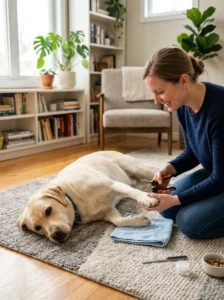
This was genuinely the task I felt least confident about early on, and I know I’m not alone — nail trimming anxiety is common among new owners, often because of fear of cutting the quick (the sensitive blood vessel inside the nail).
A few things that helped us build confidence:
⦁ Starting with very small, gradual trims rather than attempting to take off a significant length in one go
⦁ Having styptic powder on hand in case of an accidental quick nick, which happens occasionally even with care and isn’t usually a serious emergency, just briefly uncomfortable for your dog
⦁ Trimming a little at a time across multiple short sessions if your dog seems stressed, rather than pushing through a single long, tense session
⦁ Pairing nail trims with treats and praise consistently, building a positive association over time rather than expecting immediate tolerance
For dogs with dark nails, where the quick isn’t visible, trimming smaller amounts more frequently is generally safer than guessing at the right length in a single larger cut.
Ear Cleaning: A Routine Worth Building, Especially for Floppy-Eared Breeds
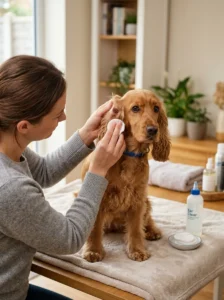
Regular ear checks and cleaning matter particularly for breeds prone to ear issues, covered in detail in our ear infection guide. Use a vet-approved ear cleaner, applying as directed (never inserting cotton swabs deep into the ear canal), and gently wipe away visible debris from the outer ear with a cotton ball or pad.
Dental Care as Part of Your Grooming Routine
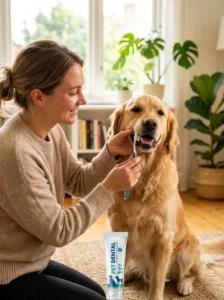
Many owners think of dental care as separate from “grooming,” but I’d genuinely encourage folding it into the same regular routine, covered in detail in our dental care guide. Brushing a few times a week at minimum, using a dog-specific toothpaste, makes a real, measurable difference in long-term dental health.
Building a Grooming Schedule That Actually Sticks
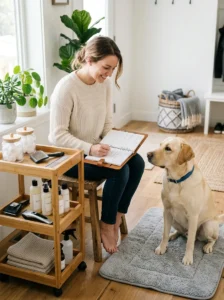
What’s made our routine sustainable, rather than something we constantly fall behind on, has been attaching specific grooming tasks to specific days — brushing most evenings while watching TV, nail checks every couple of weeks on a Sunday, ear checks during the same Sunday routine. This kind of habit-stacking has made consistency feel manageable rather than like an additional, separate obligation competing for attention.
Making Grooming a Positive Experience, Not Just a Task to Get Through
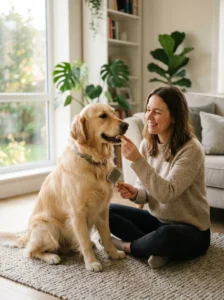
Beyond the technical how-to, building genuine positive association with grooming matters enormously for long-term cooperation. Pairing grooming sessions with treats, keeping early sessions short and low-pressure (especially with puppies or a dog new to a specific task), and staying calm yourself even if a session doesn’t go perfectly all contribute to a dog who tolerates, and ideally even enjoys, regular grooming rather than dreading it.
When to Call In a Professional Groomer
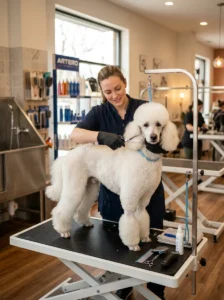
Home grooming covers a lot of ground, but professional groomers remain valuable for breeds with particularly demanding coat care (like Poodles, covered in our dedicated breed guide), for any task you genuinely don’t feel confident attempting yourself, or simply as a periodic supplement to your home routine for a more thorough, professional-level groom.
Eye Area Care: An Often-Overlooked Detail
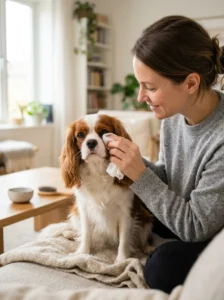
Beyond the major categories covered so far, gentle attention to the eye area deserves mention, particularly for breeds prone to tear staining or with prominent eyes. Using a soft, damp cloth to gently wipe away any discharge from the inner corner of the eyes, moving outward, helps keep this sensitive area clean without requiring any special products for most dogs. Our eye discharge guide covers more on distinguishing normal discharge from something needing veterinary attention.
Paw Pad Inspection and Care
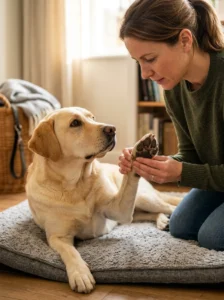
While trimming nails, it’s worth incorporating a quick paw pad check into the same session — looking for any cracks, excessive dryness, embedded debris, or signs of irritation. This is particularly relevant after walks on hot pavement or rough terrain, covered in more detail in our muddy paws guide, and catching paw issues early during a routine grooming check tends to be easier than addressing a problem that’s gone unnoticed for a while.
Grooming as an Opportunity for a Broader Health Check
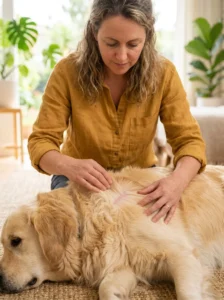
One thing I’ve come to appreciate about regular grooming sessions is how naturally they create opportunities to notice broader health changes — a new lump, a area of sensitivity when touched, changes in coat texture, or skin changes that might otherwise go unnoticed between vet visits. Treating grooming time as a chance to actually look closely at your dog, not just complete a mechanical task, adds genuine preventive health value beyond the grooming itself.
Setting Up a Dedicated Grooming Space
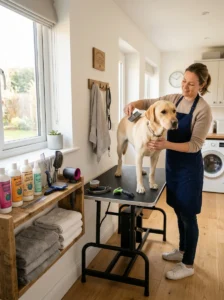
Having a consistent, designated spot for grooming — whether that’s a specific bathroom, a corner of a room with a non-slip mat, or an actual grooming table — helps both you and your dog settle into a predictable routine. Consistency in location, similar to consistency in timing, seems to genuinely support a calmer, more cooperative grooming experience over time, since your dog learns to associate that specific space with the routine rather than feeling caught off guard by grooming happening unpredictably in different locations.
A few quick answers: How do I know if my dog’s coat type needs professional grooming versus home care alone — Breeds with continuously growing hair (like Poodles) or very dense, complex coats generally benefit from periodic professional grooming alongside home maintenance, while many short-to-medium coated breeds can be fully managed at home with consistent effort and the right tools matched to their specific coat type.. My dog hates being brushed — what can I do — Start with very short sessions, pair brushing with treats and praise, and consider whether a different brush type might be more comfortable for your dog’s specific coat and sensitivity level, gradually building tolerance rather than forcing a full session before your dog is ready.. Is it safe to shave a double-coated dog in summer to keep them cool — Generally not recommended — a double coat actually provides some insulation against heat, and shaving can interfere with their natural temperature regulation and even increase sunburn risk, making regular brushing the better cooling strategy for these breeds.. How long should a full at-home grooming session take — This varies by breed and coat type, but a full routine including brushing, nail check, ear check, and dental care often takes 20-40 minutes once you’re comfortable with the process, though it’s fine to split tasks across multiple shorter sessions if that works better for you and your dog..
Building genuine grooming confidence with Bruno and Mishi took real time and more than a few imperfect early attempts, but it’s become one of the more rewarding parts of our routine — equal parts practical care and genuine bonding time. If you’re just starting out, I’d encourage patience with yourself as much as with your dog, since competence here really does build gradually with consistent practice.
For more on specific grooming tasks, our guides on how often to bathe your dog and trimming nails safely are excellent next reads.