Huskies are one of those breeds whose striking appearance sometimes draws people in without full awareness of how demanding and specific their actual needs are, particularly for owners outside the cold climates this breed was originally developed for. Having researched this breed extensively for our active owners guide and talked with Husky owners about their real experience, I think this is a breed that genuinely benefits from a particularly honest conversation before committing.
(I’m an experienced dog owner, not a breeder or veterinary professional. This reflects general breed information and owner experiences — a vet or breed-specific rescue can offer guidance tailored to a specific Husky’s individual temperament and needs.)
Husky Temperament
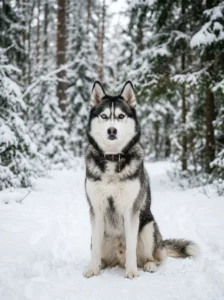
Siberian Huskies were developed by the Chukchi people of Siberia as sled dogs, bred for endurance, working cooperatively in teams over long distances in extreme cold. This working heritage profoundly shapes the modern breed’s temperament — Huskies are typically energetic, independent-minded, and often more reserved in their attachment style than breeds developed primarily for close, individual handler bonding.
Common temperament traits:
⦁ High energy, with remarkable endurance reflecting their sled-dog heritage
⦁ Independent-minded, sometimes described as less naturally eager to please than more handler-focused breeds
⦁ Generally friendly and sociable, including often being notably good with strangers, which makes them poor guard dogs despite their sometimes intimidating wolf-like appearance
⦁ Strong prey drive, given their pack-hunting ancestry, requiring careful management around smaller animals
⦁ Vocal, known for distinctive howling and “talking” vocalizations rather than typical barking
Why Huskies Are Genuinely Difficult for Many Owners
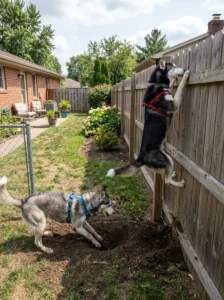
I want to be direct about this, since Huskies’ popularity sometimes outpaces honest conversation about their real demands. This breed combines several traits that, together, make them genuinely challenging for many owners: extremely high exercise needs, a strong independent streak that complicates recall reliability, a notable tendency to escape enclosed yards (Huskies are famous escape artists, both through digging and jumping/climbing), and specific climate needs that make them poorly suited to hot environments.
Exercise Needs: Genuinely Exceptional
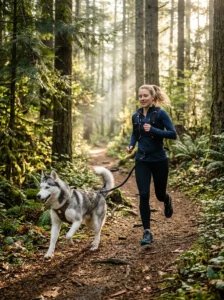
This deserves serious emphasis. Huskies need substantially more exercise than most companion breeds, reflecting their development as working sled dogs bred for sustained, demanding physical activity across long distances. A daily walk, even a long one, often isn’t sufficient for this breed’s actual needs — many Husky owners find that genuinely vigorous activity (running, hiking, or specifically structured activities like skijoring or cart-pulling) is necessary to keep this breed satisfied and prevent the destructive or escape-prone behavior that commonly develops when their substantial energy isn’t adequately channeled.
Heat Tolerance: A Critical Consideration in Hot Climates
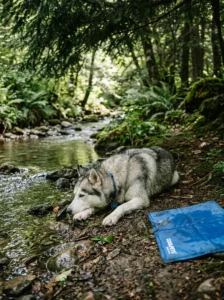
This deserves particular attention given our own hot climate here. Huskies, with their dense double coat developed for extreme cold, are genuinely poorly suited to hot weather, facing significant heat-related risk that’s worth understanding clearly before considering this breed in a climate like ours. Our heatstroke guide covers general heat safety, though for Huskies specifically, this isn’t just a precaution — it’s a fundamental breed-climate mismatch that prospective owners in hot regions should weigh very seriously, potentially reconsidering this breed choice entirely given the genuine welfare implications of keeping a cold-climate-adapted breed in consistently hot conditions.
Training and Trainability
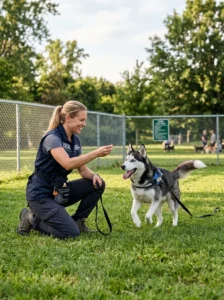
Huskies are intelligent but notably independent-minded, often less naturally inclined toward the eager-to-please cooperation seen in breeds like Golden Retrievers or Labradors. This doesn’t mean they’re untrainable, but it does mean training, particularly recall reliability, often requires significantly more patience, consistency, and high-value motivation than with more naturally handler-focused breeds. Many experienced Husky owners specifically emphasize that off-leash reliability is genuinely difficult to achieve with this breed, given their strong independent and prey-driven instincts, making secure containment a particularly important consideration.
Grooming Needs
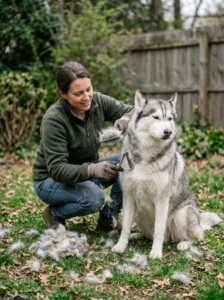
Huskies have a dense double coat requiring regular brushing, with significant seasonal shedding (sometimes called “blowing coat”) occurring typically twice yearly, during which shedding becomes substantially more intensive than their regular baseline shedding level.
Common Health Considerations
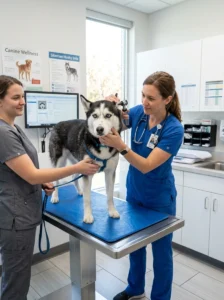
Hip dysplasia, relevant given their size and activity level, covered in our hip dysplasia guide.
Certain eye conditions, including some hereditary conditions that responsible breeders typically screen for in breeding stock.
Heat-related illness, given their cold-climate adaptation, deserving particular emphasis for owners in warmer climates, as covered above.
Are Huskies Good for First-Time Owners?

Generally not recommended for most first-time owners, given the combination of substantial exercise needs, independent temperament, and escape-prone tendencies that genuinely challenge even experienced owners. Our guide to best breeds for first-time owners covers more suitable starting options for someone new to dog ownership.
Containment: A Non-Negotiable Consideration
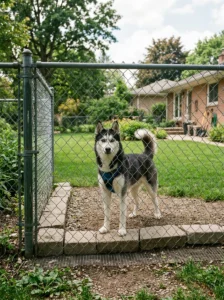
Given their well-documented escape tendencies — digging under fences, climbing or jumping over them, or simply being remarkably resourceful about finding any gap — secure containment deserves particularly serious attention for this breed. Standard fencing that would contain many other breeds often isn’t sufficient for a determined Husky, making this a genuine practical consideration, not just a minor inconvenience, for prospective owners.
Husky Vocalizations: What “Talking” Actually Sounds Like
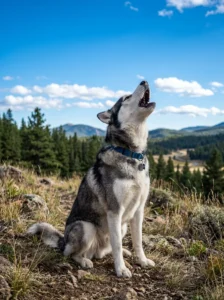
Beyond typical howling, Huskies are famous within the dog-owning community for a distinctive range of vocalizations sometimes described as “talking” — varied, almost conversational-sounding combinations of howls, whines, and other sounds that many Husky owners describe as genuinely unique compared to typical dog vocalizations. While charming to many owners, this vocal tendency, combined with their general howling propensity, deserves the same honest consideration given to their other demanding traits, particularly for apartment or close-quarters living situations where this distinctive vocal behavior could create genuine neighbor friction.
Husky Coat Care: Managing Significant Seasonal Shedding
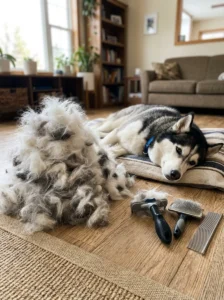
Beyond regular brushing, many Husky owners find that investing in proper deshedding tools and establishing a more intensive grooming routine specifically during seasonal coat blow periods makes a significant difference in managing the substantial volume of fur this breed sheds during these periods. Some owners also note that despite popular belief, regular bathing isn’t typically necessary or recommended for Huskies outside of these heavy shedding periods, since their coat has natural self-cleaning properties that excessive bathing can actually disrupt.
The Husky’s Pack Mentality and Multi-Dog Households
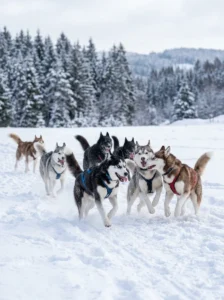
Reflecting their heritage as dogs bred to work cooperatively in sled teams, many Huskies show a genuine affinity for canine companionship, sometimes doing notably well in multi-dog households, particularly with other Huskies or similarly high-energy breeds who can match their activity level and play style. This pack-oriented tendency is worth considering if you’re specifically drawn to this breed but concerned about meeting their substantial social and activity needs as a sole dog in a busy single-owner household.
Alaskan Malamutes: A Related but Distinct Breed Worth Knowing
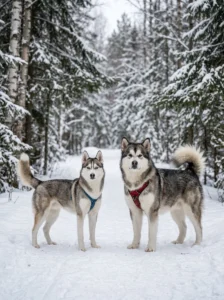
Huskies are sometimes confused with the related but genuinely distinct Alaskan Malamute, another cold-climate sled-heritage breed. Malamutes are generally larger and were bred more for strength and pulling heavier loads over shorter distances, compared to the Husky’s emphasis on speed and endurance over longer distances, though both share similar independent temperament traits, heat sensitivity, and escape-prone tendencies. If you’re researching one of these breeds, it’s worth confirming you understand the genuine distinctions rather than assuming the two breeds are interchangeable, since their somewhat different size and specific working background create some meaningfully different practical considerations.
The Husky’s Distinctive Vocal Range
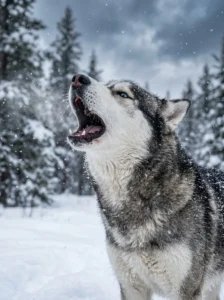
Beyond general vocalization mentioned earlier, Huskies are known for a genuinely wide vocal range, including their famous howling, but also a variety of other sounds sometimes described as “talking” — a range of vocalizations that can sound remarkably close to attempted human speech patterns, which has made this breed a notable presence in social media content showcasing this distinctive vocal behavior. While charming, this same vocal range means genuine consideration of your living situation’s noise tolerance matters significantly, similar to the broader apartment living vocalization considerations covered in our apartment breeds guide.
Considering Husky Mixes as an Alternative
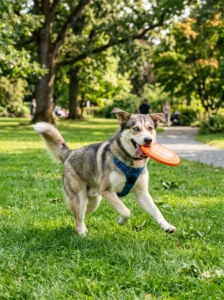
For prospective owners drawn to Husky appearance or some specific traits but concerned about the full combination of challenges covered throughout this guide, a Husky mix (combining Husky heritage with another breed) sometimes offers a moderated version of these traits, though as covered in our mixed breed guide, trait inheritance in mixed breeds isn’t perfectly predictable, meaning a Husky mix could still display the full range of challenging breed-typical traits despite the mixed heritage, rather than reliably representing a “toned down” version of the purebred experience.
Why Some Owners Still Find Huskies Genuinely Worth the Challenge
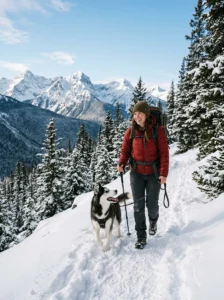
Despite the genuinely significant considerations covered throughout this guide, many experienced Husky owners describe the breed’s combination of striking beauty, genuine athleticism, and distinctive personality as worth the substantial commitment, particularly for owners specifically based in cooler climates with genuine capacity for the breed’s demanding exercise needs and secure containment requirements. This isn’t meant to discourage thoughtful, well-prepared ownership in the right circumstances — rather, it’s meant to ensure that enthusiasm for this striking breed is paired with honest, realistic understanding of what responsible ownership genuinely requires.
A few quick answers: Are Huskies good guard dogs given their wolf-like appearance — Generally no — despite their striking, sometimes intimidating appearance, Huskies are typically friendly toward strangers and lack strong natural guarding instincts, making them poor choices for anyone specifically seeking a protective breed.. Can Huskies live happily in hot climates if given enough water and shade — This is genuinely difficult and not generally recommended — their cold-climate-adapted physiology creates real heat tolerance limitations that basic accommodations like water and shade don’t fully resolve, making hot climates a serious welfare consideration for this breed specifically.. Do Huskies do well with cats or smaller pets — This requires significant caution given their strong prey drive, reflecting their heritage — careful, gradual introduction and ongoing supervision matter significantly more with this breed than with many others, and some individual Huskies may never be reliably safe with smaller animals regardless of training effort.. How much exercise does a Husky actually need each day — Substantially more than most breeds — many Husky owners describe needing well over an hour of vigorous activity daily, often supplemented with specifically structured high-intensity activities, to keep this breed genuinely satisfied and prevent problematic behavior from excess unspent energy..
Huskies are genuinely remarkable, beautiful dogs, but I think their popularity sometimes outpaces honest conversation about how specifically demanding and climate-dependent their needs actually are. If you’re considering this breed, particularly in a warmer climate, I’d encourage taking the heat tolerance and exercise considerations covered in this guide especially seriously, rather than being drawn in purely by their striking appearance without full awareness of what responsible ownership of this specific breed genuinely requires.
For related guidance, our guides on best breeds for active owners and heatstroke prevention are essential next reads.