
The first time I heard Bruno’s kennel cough, I genuinely thought he had something stuck in his throat. It was this harsh, honking cough that came in sudden bursts, almost like he was trying to clear his airway. It had started about three days after his first time at daycare, and a quick call to our vet confirmed what the timing already suggested.
Kennel cough — more formally called canine infectious tracheobronchitis — is a highly contagious respiratory infection affecting the trachea and bronchial tubes. It’s not caused by a single pathogen; it can result from several different bacteria and viruses, often Bordetella bronchiseptica or canine parainfluenza, sometimes in combination. It spreads through the air, direct contact between dogs, and shared surfaces like water bowls and toys, which is exactly why it’s so commonly associated with places dogs gather in close quarters — boarding facilities, daycare, dog parks, grooming salons, and shelters. (I’m an experienced owner, not a vet — kennel cough is usually mild, but it should still be evaluated, especially in puppies, seniors, or dogs with existing respiratory issues.)
What It Actually Sounds Like

This was the most useful thing I learned, since the sound itself is fairly distinctive once you’ve heard it. It’s typically described as a dry, harsh, honking cough — many owners say it sounds like something is caught in the dog’s throat. It often comes in sudden fits, and can be triggered or worsened by excitement, exercise, or pressure on the throat area, like from a collar during a walk.
Other symptoms to watch for: retching or gagging, sometimes producing a small amount of white foamy mucus; a runny nose or mild nasal discharge; sneezing; mild lethargy, though many dogs otherwise seem to feel relatively normal; a low-grade fever in some cases; and reduced appetite, though this is less common than the cough itself.
What struck me most with Bruno was how normal he otherwise seemed — still playful, still eating well, just with this persistent, alarming-sounding cough. That combination, a dramatic symptom paired with an otherwise normal-acting dog, is actually fairly typical of mild kennel cough, though it’s still worth a vet visit to confirm and rule out anything more serious.
Why It Takes Days to Show Up

One detail that helped me understand Bruno’s situation was learning about the incubation period — typically a few days to about a week between exposure and the first visible symptoms. This explains why his cough started a few days after his daycare visit rather than immediately, which initially made me unsure whether daycare was actually the cause until our vet confirmed the timing fit perfectly. This delayed onset is also part of why a dog can appear completely healthy at a facility’s intake check, yet still be incubating the illness and potentially exposing other dogs before symptoms become noticeable.
Why It Spreads So Easily in Group Settings

Understanding the transmission helped me make sense of why it’s so common in group dog settings specifically. It spreads through airborne respiratory droplets, similar to how a human cold spreads through coughing and sneezing, direct nose-to-nose contact, and contaminated shared surfaces. Boarding facilities, daycare, dog parks, and training classes combine close proximity, shared air space, and often shared objects, creating ideal conditions for transmission, even among facilities with reasonably good hygiene. This isn’t necessarily a reflection of a facility doing something wrong — any environment with multiple dogs in close contact carries some inherent risk, similar to how children at school commonly pass around colds despite reasonable hygiene efforts.
How It’s Actually Diagnosed and Treated
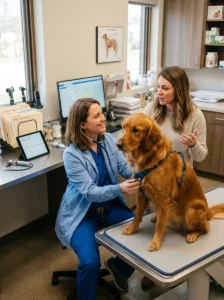
Vets often diagnose kennel cough based on the characteristic cough, your dog’s recent history (like a recent boarding stay or exposure to other dogs), and a physical exam. In most straightforward cases, additional testing isn’t necessary, though your vet may recommend further diagnostics if symptoms are severe, prolonged, or don’t fit the typical pattern.
Treatment depends on severity. Many mild cases resolve on their own within one to three weeks with supportive care, similar to how a common cold runs its course in people. Your vet may recommend rest and limiting strenuous activity (since exercise can trigger more frequent coughing and prolong recovery), cough suppressants in some cases, antibiotics if a bacterial component is suspected (though not always necessary for viral-based cases), a humidifier or steam from a shower to soothe irritated airways, and switching to a harness instead of a collar temporarily to avoid pressure on the throat.
With Bruno, our vet recommended rest, a switch to a harness, and monitoring rather than antibiotics initially, since his case seemed mild and uncomplicated. The cough cleared up within about ten days, though it took a few more days beyond that before we felt confident reintroducing him to the dog park, just to be on the safe side following our vet’s guidance on the contagious period.
Differentiating It From Other Coughs

Since a persistent cough can have several causes, it’s worth knowing roughly how kennel cough differs from other possibilities your vet might consider. Heart-related coughs (more common in older dogs) tend to be softer and often worsen at night or after lying down, rather than the sharp, honking quality typical of kennel cough. Allergic or irritant-related coughs often come with other allergy symptoms and may correlate with specific environmental exposures. Canine influenza can present with overlapping symptoms but sometimes involves a higher fever and more pronounced lethargy. This is exactly why a vet visit for any new, persistent cough matters, even when symptoms strongly suggest kennel cough specifically.
When It Becomes More Serious
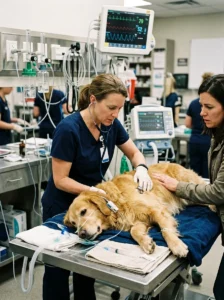
While most cases are mild, kennel cough can occasionally progress to pneumonia, particularly in puppies, senior dogs, or dogs with compromised immune systems. Watch for a cough that worsens significantly rather than gradually improving, high fever, significant lethargy or weakness, labored or rapid breathing, loss of appetite lasting more than a day or two, or nasal discharge that becomes thick, colored, or has an odor. Any of these warrant a prompt vet visit rather than continuing to wait it out at home.
While kennel cough is most commonly discussed in the context of puppies and social, daycare-attending dogs, senior dogs warrant some extra attention if they contract it, since age-related changes in immune function and any existing respiratory or heart conditions can make recovery slower or complications more likely. If Mishi were ever exposed and showed symptoms, I’d be quicker to involve our vet proactively rather than assuming the typical mild course that worked out fine for a younger, otherwise healthy Bruno.
Is It Contagious to Other Dogs, Cats, or People?

Yes, highly contagious to other dogs. If your dog is diagnosed, keep them away from others until your vet confirms they’re no longer contagious, typically at least a week or two depending on the case — skipping daycare, dog parks, and group walks temporarily, even once they seem to be feeling better.
Generally, kennel cough is considered primarily a dog-to-dog illness, though there’s some nuance depending on the specific pathogen, and certain components can occasionally affect other species in rare cases. If you have other pets, it’s worth asking your vet about precautions specific to your situation.
Preventing It Going Forward

Vaccination. The Bordetella vaccine is commonly required by boarding facilities, daycares, and grooming salons, since it reduces risk and severity, even though it doesn’t guarantee complete prevention given multiple pathogens can cause similar symptoms. Our vaccination schedule guide covers timing.
Choosing reputable facilities that require proof of current vaccinations, maintain clean environments, and have good ventilation.
Avoiding exposure during known outbreaks at a facility your dog attends, even if vaccinated.
Keeping a sick dog isolated until fully recovered to prevent spreading it further.
If you’re planning to use a boarding or daycare facility, timing matters more than owners often expect — most require the Bordetella vaccine administered a minimum number of days before your dog’s stay (often at least a week or two, varying by facility), since the vaccine needs time to become effective. Scheduling this well ahead of a planned stay, rather than as a last-minute check, has saved us from needing to delay or cancel plans.
After that first experience with Bruno, I started asking more specific questions before using any boarding or daycare facility — what their vaccination requirements are and how they handle a dog showing symptoms while on-site. It’s given me more confidence that we’re reducing risk as much as reasonably possible, even though no facility can guarantee zero exposure.
Supporting Recovery at Home

Beyond direct treatment, a few things have helped during recovery: comfortable, quiet rest areas, since excitement and increased breathing rate often seemed to trigger coughing fits; maintaining hydration even when appetite and energy were largely normal; avoiding secondhand smoke or other airway irritants in the home; and patience with the timeline — it was tempting to assume Bruno was fully recovered once the cough noticeably improved, but I learned to wait until our vet confirmed he was genuinely past the contagious period.
A few quick answers: most mild cases resolve within one to three weeks with rest. Yes, a vaccinated dog can still get it, since the vaccine reduces risk and severity but doesn’t guarantee complete protection. It’s worth a vet visit to confirm the diagnosis even if mild. And light, gentle activity is generally fine, but avoid strenuous exercise and other dogs until your vet confirms recovery.
That first kennel cough experience with Bruno was alarming mostly because of how the cough sounded, but it ended up being a manageable, fairly mild illness that resolved with rest and a little extra attention.
For more on respiratory and general health monitoring, our guides on signs your dog is in pain and how often to take your dog to the vet are worth reading next.