Poodles tend to get unfairly reduced to their distinctive grooming styles in popular imagination, which genuinely undersells what’s actually one of the most intelligent, versatile breed families out there. Having met Standard Poodles through dog-park encounters and friends’ Toy and Miniature Poodles over the years, the consistency of their sharp intelligence and genuine trainability across all three size varieties has been the thing that’s struck me most.
(I’m an experienced dog owner, not a breeder or veterinary professional. This reflects general breed information across the three Poodle size varieties — a vet or breed-specific rescue can offer guidance tailored to a specific Poodle’s individual needs.)
The Three Poodle Sizes
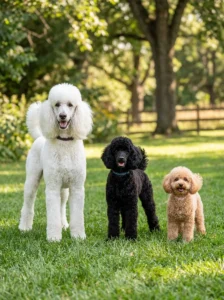
Poodles come in three officially recognized size varieties — Standard (the largest, generally over 15 inches at the shoulder), Miniature (generally 10-15 inches), and Toy (generally under 10 inches) — sharing the same fundamental temperament and coat characteristics, just at different sizes. This means much of what’s covered in this guide applies across all three varieties, with size-specific considerations noted where relevant.
Poodle Temperament
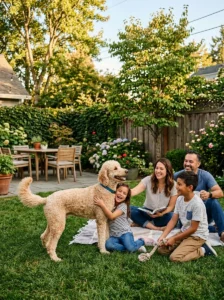
Poodles are widely recognized as one of the most intelligent dog breeds, consistently ranking near the top of canine intelligence assessments. This intelligence shows up in genuine trainability, quick learning, and often a notable sensitivity to their owner’s mood and household dynamics.
Common temperament traits across all sizes:
⦁ Highly intelligent and quick to learn
⦁ Generally affectionate and people-oriented
⦁ Alert, sometimes serving as a natural watchdog despite not being a guarding breed in the traditional sense
⦁ Can be sensitive, sometimes described as more emotionally attuned than some other breeds
⦁ Standard Poodles in particular often retain a genuine athletic, active temperament reflecting their original development as water retrievers
Exercise and Mental Stimulation Needs
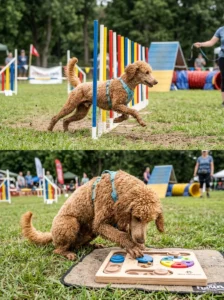
This varies somewhat by size variety. Standard Poodles generally need substantial exercise, reflecting their working retriever heritage, while Toy and Miniature Poodles typically have more moderate physical exercise needs, though their high intelligence means all three varieties benefit significantly from mental stimulation regardless of size.
Why mental stimulation matters specifically for this breed: Given their notable intelligence, Poodles of any size can become bored or develop unwanted behaviors if mental engagement isn’t adequately provided, even if physical exercise needs (more relevant for smaller varieties) are comparatively modest.
Training and Trainability
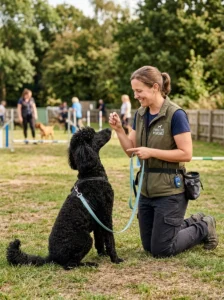
Poodles are exceptionally trainable, which combined with their intelligence is part of why they excel in various structured activities, including obedience competition, agility, and even specialized working roles. Positive reinforcement methods, covered throughout our training guides, tend to be particularly effective with this breed’s combination of intelligence and sensitivity.
Grooming Needs: The Defining Commitment of This Breed
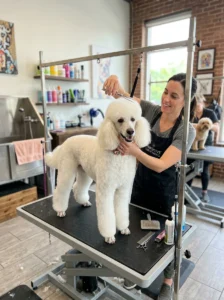
This is genuinely the most significant consideration for prospective Poodle owners. Their distinctive curly coat doesn’t shed in the traditional sense (loose fur stays trapped within the curl rather than falling out), which is part of why they’re frequently recommended for allergy-conscious households, covered in our low-shedding breeds guide. However, this same characteristic means regular, often professional grooming is essential, not optional, to prevent painful matting.
Grooming routine essentials:
⦁ Brushing several times weekly at minimum, to prevent matting in their dense, curly coat
⦁ Professional grooming appointments, typically every 4-6 weeks, for trimming and coat maintenance
⦁ Regular ear checks, given their floppy ear structure
⦁ This grooming commitment applies across all three size varieties, though Toy and Miniature Poodles obviously involve less surface area to manage than a Standard
Common Health Considerations
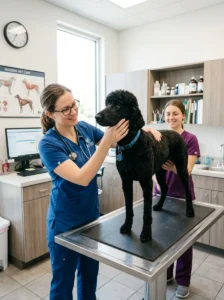
Hip dysplasia, particularly relevant for Standard Poodles given their larger size, covered in our hip dysplasia guide.
Progressive retinal atrophy and other eye conditions, which responsible breeders typically screen for in breeding stock.
Addison’s disease, an endocrine condition with some documented elevated prevalence in Standard Poodles specifically.
Patellar luxation, a knee joint condition more commonly seen in smaller breeds, relevant particularly for Toy and Miniature varieties.
Bloat risk, particularly relevant for Standard Poodles given their deep-chested build, similar to other large, deep-chested breeds.
Which Poodle Size Is Right for Your Household?
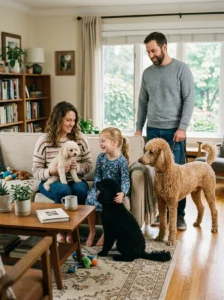
Standard Poodles suit households wanting a larger, active dog with substantial exercise capacity, generally good with families and other pets when properly socialized.
Miniature Poodles offer a middle-ground option, often combining moderate exercise needs with the same sharp intelligence and trainability, suiting a range of household types.
Toy Poodles suit households wanting a smaller companion, though their tiny size means extra care around handling, particularly with very young children, given their physical vulnerability compared to larger varieties.
Poodle Mixes: A Note on “Doodle” Breeds
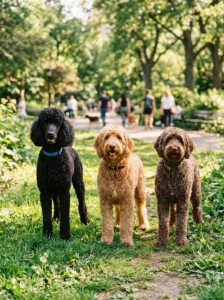
Given Poodles’ popularity as a parent breed for various designer mixes (Labradoodles, Goldendoodles, and others), it’s worth noting that these mixes don’t reliably inherit the Poodle’s specific coat characteristics or temperament in predictable proportions — coat type, shedding level, and temperament traits can vary even within the same litter, which is worth understanding clearly if you’re specifically drawn to a “doodle” mix for traits associated with the Poodle parent breed.
Poodle Coat Clips: Function Beyond Fashion
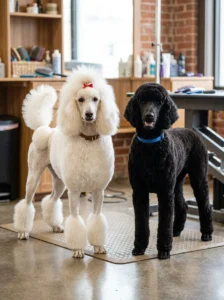
The elaborate, sometimes whimsical Poodle grooming styles seen in shows actually originated from functional purposes — the breed’s water-retrieving heritage meant specific clipping patterns evolved to protect vital organs and joints from cold water while reducing drag from excess coat on other parts of the body. Modern pet grooming styles for Poodles are typically much simpler and more practical than show clips, but understanding this functional origin helps explain why this breed’s grooming tradition developed as elaborately as it has, beyond pure aesthetic preference.
Poodle Temperament Variation Across the Three Sizes
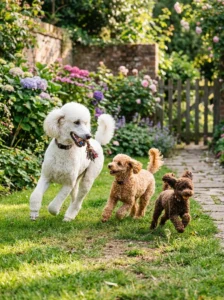
While core temperament traits remain consistent across Standard, Miniature, and Toy varieties, some owners and breed enthusiasts note subtle tendencies that vary somewhat by size — Standard Poodles are sometimes described as having a slightly calmer, more even-keeled temperament compared to the sometimes more excitable energy occasionally seen in Toy varieties, though this is a general tendency rather than a strict rule, and individual variation within each size category remains significant.
Poodles as Service and Therapy Dogs

Given their intelligence, trainability, and lower-shedding coat (relevant for facilities or households managing allergy concerns), Poodles are frequently selected for service dog and therapy dog roles, particularly Standard Poodles given their size suitability for various physical assistance tasks. This working role suitability further reinforces the genuine trainability and temperament stability that defines this breed across all three size varieties.
Choosing Between Poodle Sizes for a Specific Household
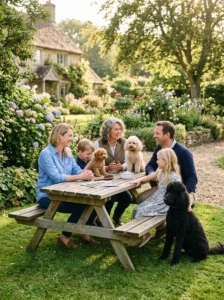
Beyond the general size-based guidance covered earlier, it’s worth thinking through specific practical factors — households with very young children might find a Standard Poodle’s sturdier build preferable to a more physically vulnerable Toy variety, while households prioritizing easier physical handling (for travel, for elderly household members, or simply personal preference) might lean toward the more compact Miniature or Toy options.
Finding a Groomer Who Understands Poodle Coat Care Specifically
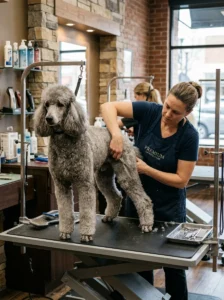
Given how significant professional grooming is for this breed, finding a groomer with genuine experience specifically with Poodle coats matters more than it might for lower-maintenance breeds. Poodle coat texture and the specific clipping techniques this breed benefits from differ meaningfully from general dog grooming, and a groomer without specific Poodle experience may not achieve the results or coat health maintenance that an experienced Poodle groomer can provide. Asking specifically about a potential groomer’s Poodle experience, rather than assuming general grooming competency translates directly, is worth the extra research effort for this particular breed.
Poodle Exercise Variety Across Life Stages
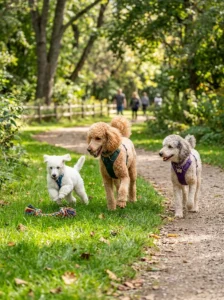
Poodle exercise needs shift somewhat across their lifespan, similar to many breeds — puppies and young adults, particularly Standard Poodles, often benefit from more vigorous activity reflecting their retrieving heritage, while senior Poodles of any size may need adjusted, gentler exercise approaches covered more broadly in our senior dog care guide. Maintaining appropriate mental stimulation throughout all life stages remains important regardless of how physical exercise needs shift with age, given this breed’s consistently high intelligence requiring ongoing engagement.
Why Poodles Often Excel in Competitive Dog Sports
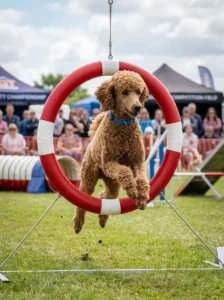
Beyond basic obedience, Poodles’ combination of intelligence, physical athleticism (particularly Standard Poodles), and genuine eagerness to work with their handler makes them frequent standouts in competitive dog sports like agility, obedience competition, and rally. If you’re drawn to this breed and interested in structured activities beyond basic companionship, exploring local dog sport clubs or training facilities that work with this breed specifically can open up genuinely rewarding shared activities that play directly to the Poodle’s natural strengths and intelligence.
A Brief Note on Poodle History Beyond Water Retrieving
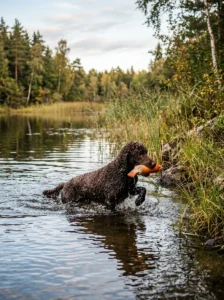
While the Poodle is widely associated with French culture and styling today, the breed actually has roots in Germany, where it was developed primarily as a water retriever for hunting waterfowl, before becoming particularly associated with and refined in France, which is part of why “French Poodle” remains a common, if technically imprecise, nickname for the breed. This water-retrieving origin, shared with several other popular retriever breeds, helps explain traits like their natural swimming ability and the dense, curling coat that, while requiring significant grooming, also provided genuine functional water resistance and insulation during their original working purpose.
A few quick answers: Are Poodles actually as intelligent as their reputation suggests — Yes, Poodles consistently rank among the most intelligent breeds in canine cognition research, which shows up practically in their notable trainability and quick learning across structured activities.. Do Poodles require professional grooming, or can owners manage their coat at home — While dedicated owners can learn to manage Poodle grooming at home with proper tools and technique, most owners find professional grooming appointments more practical given the skill and time required to maintain this breed’s coat properly.. Are Standard Poodles good family dogs — Generally yes, given their intelligence, trainability, and typically good temperament with children and other pets when properly socialized, alongside their substantial size suiting active family households.. How long do Poodles typically live — This varies by size — Toy and Miniature Poodles often live longer, sometimes 12-15 years or more, while Standard Poodles typically have a somewhat shorter average lifespan around 10-13 years, generally consistent with size-based lifespan patterns across breeds..
The Poodle’s reputation for being purely a “fancy” show breed genuinely undersells what’s actually an exceptionally intelligent, trainable, and versatile breed family across all three sizes. If you’re considering a Poodle, the grooming commitment deserves serious, honest consideration, but the payoff in trainability and genuine companionship makes this a breed worth looking past surface-level assumptions about.
For related guidance, our guides on low-shedding breeds for allergies and small dog breeds are excellent next reads.