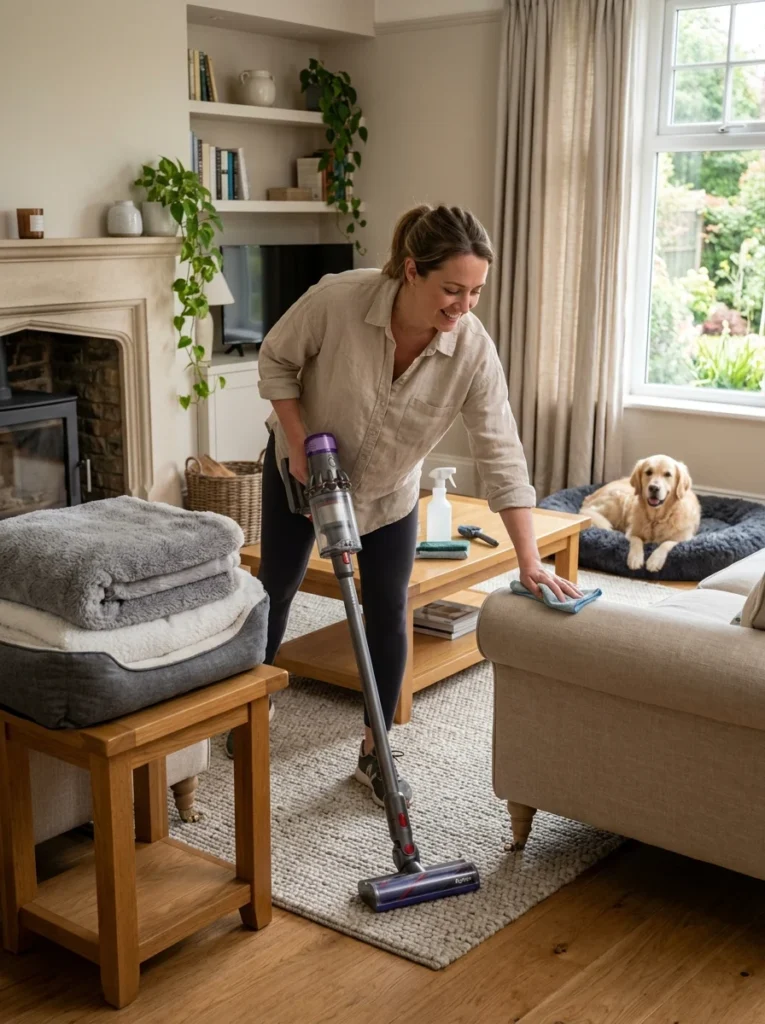
The idea of a “guard dog” gets romanticized in ways that don’t always reflect the genuine commitment required to responsibly own a breed with strong protective instincts. Having spent time around a friend’s well-trained German Shepherd, alongside research into this topic given how often it comes up from readers, I think the most useful thing I can offer is an honest picture of what this actually involves, not just a simple breed list.
(I’m an experienced dog owner, not a professional trainer specializing in protection work. Breeds with strong protective instincts genuinely require thorough socialization and often professional training guidance to develop appropriately — this is not a category where casual, under-informed ownership is appropriate, given the real safety considerations involved.)
What “Guard Dog” Actually Means, and Why This Distinction Matters
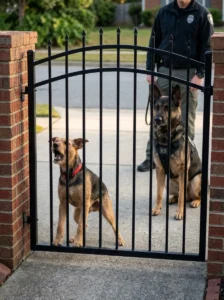
It’s worth separating two different concepts that often get conflated. A watchdog primarily alerts you to unusual activity through barking or vigilance, without necessarily intervening physically. A guard dog may take more active protective measures, which requires significantly more careful training, socialization, and ongoing management to ensure that protective instinct is appropriately controlled and doesn’t become a liability. Many breeds commonly associated with “home protection” are more accurately watchdogs with some protective tendencies, rather than dogs trained or bred for active physical intervention, which is a meaningfully different (and more responsible, for most households) category to actually pursue.
German Shepherd
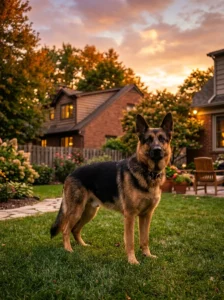
Covered in detail in our dedicated breed guide, German Shepherds combine intelligence, loyalty, and natural watchfulness, making them one of the most commonly chosen breeds for protective roles, including extensive use in police and military work. Their trainability means protective instincts can be channeled appropriately with proper guidance, though this requires genuine commitment to training and socialization, not a passive assumption that protective behavior will develop appropriately on its own.
Rottweiler
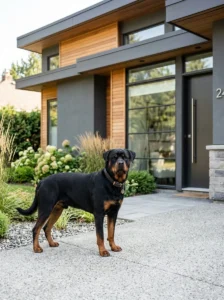
Rottweilers are known for a naturally protective, confident temperament alongside deep loyalty to their family, covered in more detail in our dedicated breed guide. Like German Shepherds, their protective instincts require thorough, early socialization and consistent training to ensure appropriate behavior, particularly given their substantial size and strength.
Doberman Pinscher
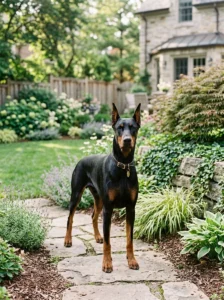
Dobermans are known for their alertness, intelligence, and loyalty, often serving in protective and working roles. Despite a sometimes intimidating reputation, well-socialized Dobermans are frequently described by experienced owners as deeply affectionate with their families, with protective instincts that, properly managed, manifest as appropriate watchfulness rather than indiscriminate aggression.
Boxer
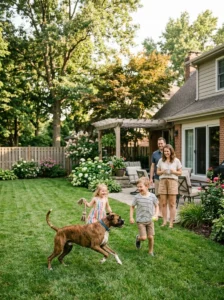
While perhaps less immediately associated with guarding than some other breeds on this list, Boxers combine a naturally protective instinct toward their family with an otherwise playful, affectionate temperament, making them a popular choice for households wanting some protective awareness alongside a generally good family temperament.
Bullmastiff
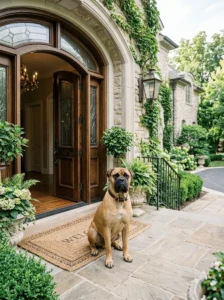
Bullmastiffs were specifically developed for guarding large estates, combining substantial size and strength with a generally calm, watchful temperament rather than constant high-alert vigilance. Their size alone often serves as a deterrent, while their temperament, with proper socialization, tends toward being a loyal, protective family companion rather than an aggressive guard.
Cane Corso
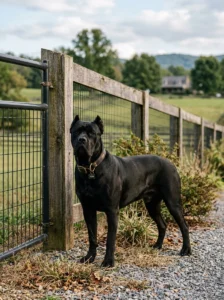
An increasingly popular breed for protective roles, Cane Corsos combine substantial size, natural confidence, and watchfulness, requiring experienced handling and thorough socialization given their significant size and strength, similar to the other large, naturally protective breeds covered in this guide.
Why Socialization Matters More Than Breed Selection Alone
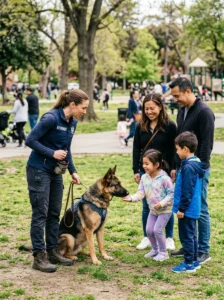
This deserves significant emphasis: even breeds with strong natural protective instincts require extensive, early, and ongoing socialization to develop appropriately. Without this, natural protective tendencies can develop into problematic fearfulness or inappropriate reactivity rather than the controlled, situational protectiveness that makes these breeds valuable family companions. Our puppy socialization guide covers the general framework, though for protective breeds specifically, this process deserves even more deliberate priority and consistency than with breeds lacking strong natural protective instincts.
The Legal and Liability Considerations Worth Understanding
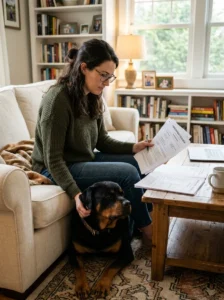
Depending on where you live, certain breeds associated with protective or guarding roles may face specific legal considerations, including homeowner’s insurance restrictions, breed-specific legislation in some areas, and genuine liability considerations if a dog’s protective behavior results in an injury, even in circumstances the owner considers justified. Researching your specific local regulations and insurance implications before committing to a breed in this category is a responsible, practical step many prospective owners overlook.
Professional Training: When It’s Worth the Investment
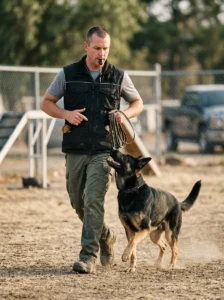
For households genuinely seeking a dog with developed protective capability (beyond natural watchfulness), working with a professional trainer specializing in protection work is worth serious consideration, rather than attempting to develop this specialized training independently. Professional guidance helps ensure protective behavior is appropriately triggered and controlled, rather than risking an undertrained dog whose protective instincts manifest inappropriately or unpredictably.
A More Realistic Expectation for Most Households
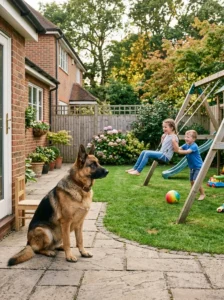
For many households interested in this general category, what’s actually being sought is reasonable alertness and a deterrent presence — a dog who will bark at unusual activity and whose general presence discourages problematic behavior — rather than a dog trained for active physical intervention. This more modest, realistic goal is achievable with proper socialization across a wider range of breeds, including some not traditionally associated with “guard dog” reputation, and generally represents a more appropriate, manageable goal for the average household than pursuing active protection training.
Doberman Pinscher: Deeper Temperament Considerations
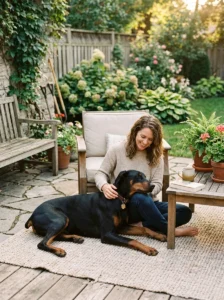
Beyond the brief mention earlier, Dobermans deserve a bit more detail given their frequent consideration for protective roles. Despite their sometimes intimidating appearance, well-bred, properly socialized Dobermans are frequently described by experienced owners as remarkably affectionate, sometimes even described as “velcro dogs” given their tendency to stay closely bonded to their family throughout the day. Their alertness and quick reactions, valuable for protective awareness, also mean consistent training and socialization matter significantly for ensuring that natural alertness translates into appropriate behavior rather than excessive reactivity.
Estrela Mountain Dog and Other Less Common Guardian Breeds
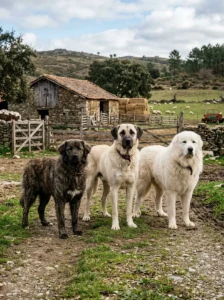
Beyond the more commonly discussed breeds covered in this guide, several less mainstream livestock guardian breeds — including the Estrela Mountain Dog, Anatolian Shepherd, and Great Pyrenees — were specifically developed for independent guardian work protecting livestock from predators, often with minimal direct human guidance during actual guarding situations. These breeds tend to show even more independent decision-making than breeds developed for closer handler cooperation, which is worth understanding if you’re researching beyond the more commonly recommended protective breeds, since their independent guardian heritage creates somewhat different training and management considerations than more handler-focused protective breeds.
The Difference Between Reactive Behavior and Genuine Protective Response
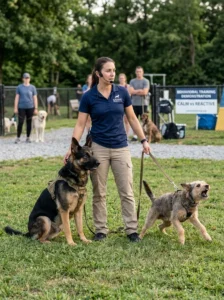
This distinction deserves emphasis for anyone navigating this breed category: a dog reacting out of fear, anxiety, or poor socialization (genuine reactivity, covered more broadly in our dog anxiety guide) is fundamentally different from a well-socialized dog showing appropriate, controlled protective awareness in a genuinely concerning situation. Learning to recognize this distinction in your own dog’s behavior — ideally with professional guidance if you’re uncertain — matters significantly for responsible ownership of any breed with natural protective tendencies.
Working With a Professional Trainer: What to Actually Look For
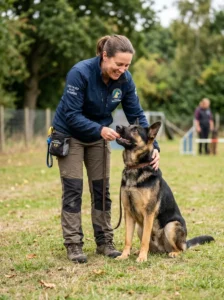
If you’re pursuing genuine protection training, choosing the right professional matters enormously, given how much variability exists in training philosophy and methodology within this specialized field. Look for trainers who emphasize positive reinforcement foundations alongside any protection-specific work, who can clearly explain their methodology and the genuine welfare considerations involved, and who ideally have verifiable experience and reputation within this specific training niche, rather than general obedience trainers claiming protection training expertise without genuine specialized background in this more demanding area.
The Responsibility That Comes With Owning a Capable Protective Dog
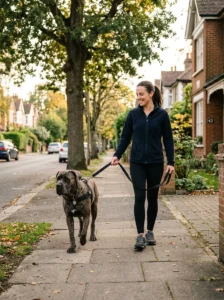
I want to close this section with a broader reflection: owning a dog with genuine protective capability carries real responsibility beyond simply the training and socialization covered throughout this guide. This includes managing the dog appropriately around guests and in public spaces, maintaining realistic awareness of your dog’s capabilities and limitations, and accepting genuine liability for ensuring that capability is never misapplied. This isn’t meant to discourage thoughtful, well-prepared ownership of these breeds, but rather to underscore that this category of dog ownership genuinely differs from choosing a breed purely for companionship, deserving the serious, ongoing commitment this guide has emphasized throughout.
Insurance Considerations Specific to This Category

Beyond the general legal considerations mentioned earlier, it’s worth proactively contacting your homeowner’s or renter’s insurance provider before bringing home a breed commonly associated with protective work, since some policies include specific breed exclusions or additional liability requirements for certain breeds. Understanding this upfront, rather than discovering a coverage gap after an incident, is a genuinely practical step that’s easy to overlook amid the more emotionally engaging aspects of choosing and training a protective breed.
A few quick answers: Is it true that any dog will protect their family instinctively, regardless of breed — Many dogs show some protective response toward their family and territory regardless of specific breed, though the intensity, reliability, and appropriateness of this response varies significantly, which is part of why breeds specifically developed with protective instincts are often sought for this purpose by owners genuinely prioritizing this trait.. Are guard dog breeds automatically more dangerous or aggressive — Not inherently — temperament depends significantly on individual genetics, socialization, and training, not breed alone. Poorly socialized or trained dogs of any breed can develop problematic aggression, while well-socialized dogs of protective breeds typically show appropriate, controlled behavior rather than indiscriminate aggression.. Do I need professional training for a guard dog breed, or is basic obedience enough — For genuine protective capability beyond natural watchfulness, professional training specializing in this area is generally recommended. For most households simply wanting a naturally alert, protective-leaning family companion, thorough socialization and solid basic obedience training is often sufficient.. Are these breeds good with children given their protective instincts — Many can be, particularly within their own family once properly socialized, though their size and strength mean supervision matters significantly with young children, and thorough socialization specifically around children (both family and visitors) is especially important for breeds with strong protective tendencies..
Pursuing a breed known for protective instincts is a genuinely significant commitment, requiring real dedication to socialization, training, and ongoing management beyond what many other breed categories demand. If you’re considering this path, I’d encourage honest reflection on whether you’re prepared for that genuine commitment, and whether professional training support fits realistically into your plans, rather than assuming protective behavior will develop appropriately without deliberate, informed effort.
For related guidance, our guides on German Shepherds and puppy socialization are essential next reads.