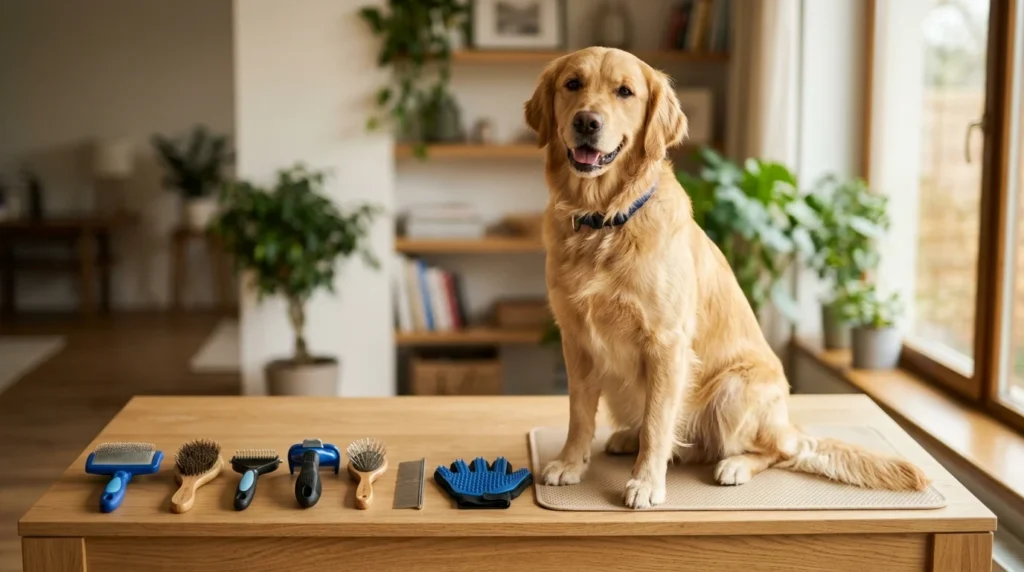
For a long time, I judged whether Bruno and Mishi were “the right weight” by eyeballing them, which, looking back, wasn’t a particularly reliable method. It wasn’t until our vet showed me a simple hands-on technique — one I now use regularly at home — that I actually understood how to assess this properly.
Unlike humans, dogs don’t have a simple universal weight chart, because healthy weight varies enormously by breed, build, and individual dog. A healthy Chihuahua and a healthy Labrador obviously look nothing alike, and even within a breed, there’s a healthy range rather than one exact target. This is part of why vets rely on a Body Condition Score (BCS) system rather than weight alone — a hands-on, visual assessment that works regardless of breed or size.
It’s worth understanding upfront why vets emphasize this over a single number on a scale. Two dogs of the same breed and even the exact same weight can have very different body compositions — one might be lean with substantial muscle mass, while another carries the same total weight with significantly more body fat and less muscle. A number alone doesn’t distinguish between these, while a hands-on check does. This also matters across a dog’s life — a senior dog often naturally loses some muscle mass, meaning the same “ideal” weight from their younger years might represent a different, less healthy composition later, even if the scale reads identically. (I’m an experienced owner, not a vet, by the way — this can help you monitor between visits, but your vet remains the right resource for an accurate assessment specific to your dog.)
The Check Itself: How to Actually Do This at Home
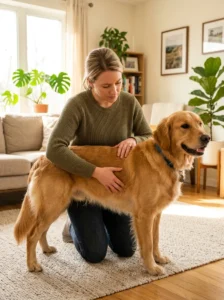
This is the technique our vet taught me, genuinely simple once you know what to feel for. Most BCS systems use a 1-9 scale, with 4-5 considered ideal for most dogs.
Feel the ribs. Run your hands gently along your dog’s sides. At an ideal weight, you should feel the ribs without significant pressure, but they shouldn’t be visibly prominent. Pressing firmly to feel them suggests overweight; sharply visible or very easy to feel with no covering suggests underweight.
Look at the waist from above. Standing over your dog and looking down, there should be a visible waist — a slight inward curve behind the ribs, before the hips. Ideal weight typically shows this tuck clearly but not dramatically.
Check the abdominal tuck from the side. The belly should tuck upward behind the ribcage, rather than hanging level with or below the chest.
Note any other indicators. Overweight dogs often have noticeable fat deposits over the base of the tail and a rounded, less defined waist. Underweight dogs often show visible ribs, spine, and hip bones, along with minimal muscle covering.
Doing this check on Bruno and Mishi every month or so has become a useful habit. It’s quick, doesn’t require any special equipment, and gives me a much better sense of trends over time than weighing them alone would. The first few times, I genuinely wasn’t confident I was feeling for the right thing, but it became noticeably more intuitive after comparing notes with our vet during a couple of routine visits, where she’d walk through the same check alongside me and confirm whether what I was feeling matched her own assessment.
Reading the Signs Clearly
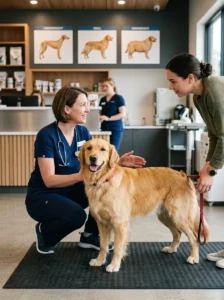
Overweight: ribs difficult to feel under a layer of fat, no visible waist from above, the belly hanging level with or below the chest, visible fat deposits around the tail base and lower back, reduced stamina, and difficulty with normal movements like jumping or stairs.
Underweight: ribs, spine, and hip bones easily visible with minimal covering, a pronounced, almost exaggerated waist, visible muscle wasting along the spine and hindquarters, and low energy that could relate to inadequate nutrition.
Being underweight is less commonly discussed than being overweight, but it’s just as worth addressing, since it can indicate insufficient calorie intake, an underlying health issue, or a digestive problem preventing proper nutrient absorption.
Why a Coat or Build Can Fool You

A coat type or build can make a dog look heavier or leaner than they actually are — exactly why body condition matters more than appearance alone. Since healthy weight ranges vary so dramatically by breed, it’s worth understanding your specific dog’s breed standard where possible, or simply asking your vet what’s typical for similar size and build dogs. This is especially useful for mixed-breed dogs like Mishi, where there isn’t a single clear breed standard to reference, making the hands-on check even more valuable than comparing against a specific number. Some breeds also naturally carry more visible muscle bulk or different body shapes that make visual assessment trickier without understanding what’s typical for that build — another reason the rib-and-waist check tends to be more reliable than appearance or weight numbers alone.
What’s Usually Behind It

Common causes of excess weight: overfeeding (often without realizing how much extra is given, especially when treats and table scraps aren’t factored into total daily intake), lack of exercise relative to calorie intake, age-related metabolism changes, spaying or neutering (which can lower metabolic needs, meaning portions that worked before may need adjusting), and less commonly, underlying health conditions worth ruling out if gain happens despite no obvious change.
Common causes of being underweight: inadequate calorie intake, sometimes simply from underestimating how much a particular dog needs; underlying health issues including dental problems that make eating uncomfortable or digestive issues affecting absorption; stress or anxiety, which can suppress appetite in some dogs; and picky eating or food aversions tied to a specific food not agreeing with a dog, even without an outright allergy.
Unexplained weight loss, in particular, should always prompt a vet visit rather than simply increasing food at home, since it can be an early sign of something needing proper diagnosis.
Why This Genuinely Isn’t Just About Appearance

Carrying excess weight is linked to a range of health issues, including increased risk of joint problems, diabetes, heart strain, and reduced life expectancy in some studies. It’s not just cosmetic — maintaining a healthy weight is genuinely one of the most impactful things an owner can do for their dog’s long-term health and comfort. On the other end, being significantly underweight can compromise immune function, energy levels, and overall resilience, particularly in puppies, senior dogs, or dogs recovering from illness.
What to Actually Do If Your Dog Is Overweight

If your at-home check suggests extra weight, the right next step is a vet visit to confirm and rule out underlying causes before making major changes. From there, weight management typically involves a controlled feeding plan with an accurate measuring cup rather than estimating portions, reducing or eliminating excess treats and table scraps (or switching to lower-calorie options), gradually increasing appropriate exercise tailored to current fitness and any joint considerations, and regular reweighing or BCS checks to track progress over a realistic timeline, since gradual weight loss is healthier than rapid change. Our feeding chart guide covers how to calculate appropriate portions.
What to Actually Do If Your Dog Is Underweight
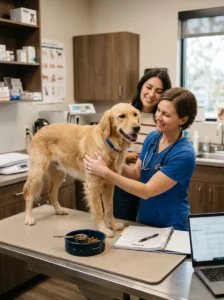
This also starts with a vet visit, since unexplained weight loss or persistent low weight deserves proper evaluation rather than just increasing food at home. Once any underlying issue is ruled out or addressed, your vet can help guide an appropriate plan to reach a healthier weight gradually and safely.
The Part Nobody Talks About: Feeling Guilty

I want to address something that doesn’t get discussed enough: it can feel uncomfortable, even guilt-inducing, to realize your dog has gradually gained excess weight, especially since it often happens slowly enough that you don’t notice until a vet points it out. I felt this myself the first time our vet gently flagged that Bruno had crept up a bit over a particularly indulgent period. What helped me move past that discomfort was reframing it as useful, actionable information rather than a failure — weight is one of the genuinely modifiable factors in a dog’s health, and catching gradual changes early means addressing them is generally much easier.
Tracking Trends, Not Single Readings

Rather than fixating on any single weigh-in, I’ve found it far more useful to track trends over months. A single reading can be affected by minor factors like how recently they ate or drank, while a consistent upward or downward trend over several checks tells a much clearer story. I jot down both dogs’ weight at every vet visit, plus periodic at-home checks, in the same simple log I use for other health notes, making a genuine trend far easier to spot than relying on memory or comparing isolated data points months apart.
When to Actually Bring It Up With Your Vet
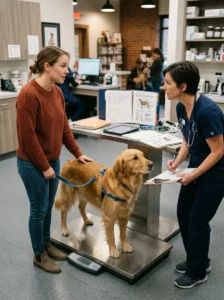
Bring up weight concerns if you notice a body condition that seems to clearly fall outside the ideal range based on the checks above, unexplained gain or loss without a corresponding diet or activity change, weight changes paired with other symptoms like lethargy or digestive issues, or difficulty assessing your dog’s body condition yourself, especially with unusual builds or heavy coats.
A few quick answers: monthly checks are reasonable for most dogs, more frequent if actively managing a change. Minor fluctuations are normal; sustained changes in either direction are what matter. For smaller dogs, weighing yourself holding them and subtracting your own weight works reasonably well; for larger dogs, your vet’s scale is more practical.
Learning the body condition score technique genuinely changed how I think about Bruno and Mishi’s weight — instead of vaguely wondering if they “look okay,” I have an actual method I trust. It takes less than a minute, but it’s made me far more confident catching gradual changes early.
For more on keeping your dog at a healthy weight long-term, our guides on how much to feed your dog and low-calorie treat options are good next reads.