Living spaces have generally trended smaller in many cities, including plenty of conversations I’ve had with friends weighing whether their apartment or smaller home could accommodate a dog at all. Small breeds open up genuine options for these situations, though as covered in our broader apartment living guide, size alone doesn’t guarantee suitability — temperament and energy level matter just as much even within the small-breed category.
(I’m an experienced dog owner, not a breeder or veterinary professional. This reflects general breed information — individual temperament varies, and meeting a specific dog gives the clearest sense of fit for your particular living situation.)
Cavalier King Charles Spaniel
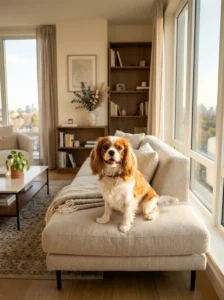
Generally affectionate, adaptable, and known for a gentle, easygoing temperament, Cavaliers combine compact size with moderate exercise needs, making them a frequently recommended choice for smaller living spaces. Their notable health predispositions, including certain heart conditions, are worth researching and discussing with a vet regardless of living situation.
Bichon Frise
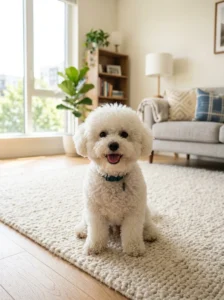
Small, cheerful, and generally low-shedding (covered in more detail in our low-shedding breeds guide), Bichons tend to adapt well to limited space, though their grooming needs and tendency toward vocalization are worth factoring into the decision.
French Bulldog
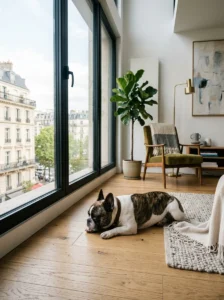
Covered in detail in our dedicated breed guide, French Bulldogs combine compact size with generally moderate exercise needs, making them popular for smaller living spaces, though their heat sensitivity and breathing considerations apply regardless of home size.
Shih Tzu
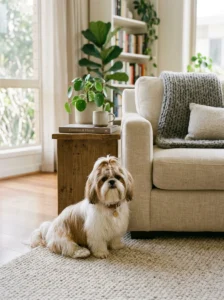
Generally affectionate and adaptable, Shih Tzus tend to do well in smaller spaces given their modest exercise needs, though their coat requires significant ongoing grooming maintenance regardless of living situation.
Pug
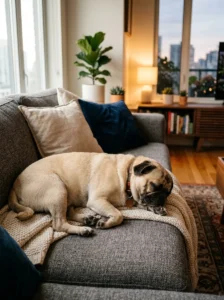
Covered briefly in our first-time owners guide, Pugs combine a generally affectionate, adaptable temperament with compact size, though the same brachycephalic health considerations relevant to other flat-faced breeds apply here too.
Dachshund
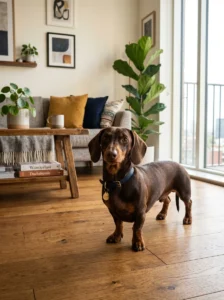
Covered in more detail in our dedicated breed guide, Dachshunds combine a distinctive small size with often surprisingly bold, characterful temperament, generally adapting reasonably well to smaller living spaces.
Pomeranian
Small, fluffy, and generally alert, Pomeranians tend to do well in limited space given their compact size, though their tendency toward vocalization and need for regular grooming are worth factoring in.
Toy Poodle
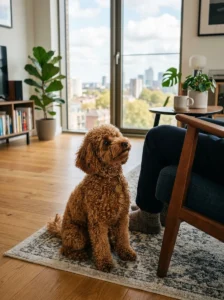
Covered as part of our comprehensive Poodle guide, Toy Poodles combine the breed’s notable intelligence and trainability with a genuinely compact size well-suited to smaller homes, alongside the grooming commitment shared across all Poodle varieties.
Maltese
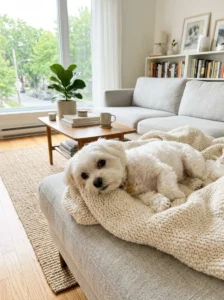
Small, generally affectionate, and adaptable, Maltese dogs tend to suit limited living space well, though like several other small breeds on this list, their coat requires consistent grooming attention.
Chihuahua
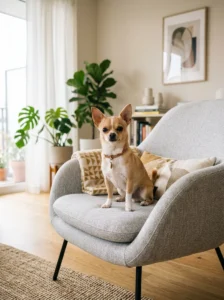
The smallest breed on this list, Chihuahuas can be excellent companions for very limited space, though their sometimes bold, occasionally wary temperament toward strangers benefits from thoughtful socialization, and their small size means extra care around handling, particularly with young children.
Why Small Doesn’t Always Mean Low-Maintenance

This is worth emphasizing clearly, since it’s a common misconception. Several breeds on this list have notable grooming requirements, some tend toward vocalization that can create apartment living friction, and small size itself brings specific care considerations — small breeds are often more vulnerable to injury from falls or rough handling, may have specific dental crowding issues given their compact jaw structure, and some are prone to their own breed-specific health predispositions, similar to how larger breeds have their own characteristic health considerations.
Exercise Needs Still Matter, Regardless of Size

Even within this small-breed list, exercise and mental stimulation needs vary meaningfully between breeds — a Chihuahua’s exercise needs differ from a Dachshund’s, which differ again from a more food-and-treat-motivated breed’s needs. Researching the specific energy level of whichever small breed you’re considering, rather than assuming uniform low energy across all small dogs, helps ensure a genuinely good match for your specific lifestyle and available time for exercise and engagement.
Small Breeds and Children: A Specific Consideration
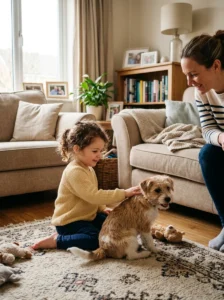
Several small breeds, given their delicate size, benefit from particularly careful supervision and gentle handling around young children, who may not yet have developed the awareness to interact appropriately gently with a smaller, more physically vulnerable dog. This is worth factoring in specifically if you have young children, alongside the breed’s general temperament reputation with kids.
Specific Small Breed Health Considerations Worth Knowing

Beyond the general care notes covered earlier, several small breeds carry their own specific, well-documented health predispositions worth researching for whichever breed you’re considering. Patellar luxation (kneecap dislocation) is relatively common across many small breeds. Tracheal collapse is a notable concern for some small breeds, particularly relevant for owners using collars versus harnesses given the additional tracheal pressure collars can create. Dental crowding, given the proportionally smaller jaw structure common to many small breeds, often means more attentive dental care, covered in our dental care guide, matters particularly for this size category.
Carrying and Travel Considerations for Small Breeds

Small breeds open up genuinely different travel and outing possibilities compared to larger dogs — many can comfortably accompany owners into more places, travel more easily, and integrate into daily errands and activities in ways that simply aren’t practical with a larger breed. This portability is a genuine, often underappreciated advantage of choosing a small breed, beyond the living-space considerations that form the main focus of this guide.
Small Breed Puppies: Handling Considerations During Early Development

Small breed puppies deserve particular gentleness during their early development, given how physically fragile they are compared to larger breed puppies at the same developmental stage. This includes careful supervision during any interaction with children, caution around stairs or furniture heights that pose disproportionate fall risk for their small size, and general awareness that small breed puppies, despite often appearing remarkably resilient and bold in personality, remain genuinely more physically vulnerable than their confident behavior might suggest.
Small Breed Temperament Stereotypes Worth Reconsidering
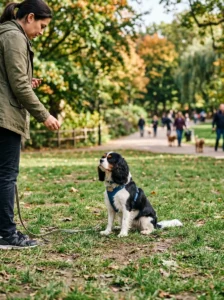
Small breeds sometimes carry a reputation for being more prone to anxiety, excessive barking, or what’s sometimes dismissively called “small dog syndrome” — a pattern of bold or reactive behavior sometimes attributed to size alone. It’s worth understanding that this isn’t an inherent size-based trait so much as a pattern that can develop from inconsistent training or boundary-setting, sometimes occurring because owners of small dogs are less likely to consistently enforce the same training expectations they might apply to a larger, more physically imposing breed. Small breeds are just as capable of solid training and good manners as larger breeds when given the same consistent, positive training approach covered throughout our training guides, and approaching a small breed’s training with the same seriousness as you would a larger dog’s tends to produce much better behavioral outcomes than assuming small size excuses inconsistent boundaries.
Small Breeds and Cold Sensitivity

Several small breeds, particularly those with minimal body fat or short coats, can be more sensitive to cold than larger, more heavily insulated breeds, which is worth knowing if you live somewhere with cold winters or are considering relocating. While less relevant to our own consistently hot climate, this is a genuine consideration for small-breed owners in cooler regions, sometimes requiring sweaters or coats during outdoor winter activity that wouldn’t be necessary for a larger, more naturally insulated breed.
Choosing a Small Breed Specifically for Seniors or Owners With Limited Mobility
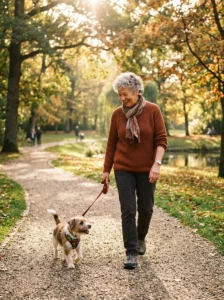
Beyond the general apartment-living focus of this guide, small breeds are also frequently recommended specifically for elderly owners or those with limited physical mobility, given their easier physical handling, generally lower exercise demands, and the genuine companionship benefits dog ownership can provide across all life stages. If this describes your specific situation, working with a rescue organization experienced in matching dogs to owners with particular physical considerations can help identify a specific dog whose energy level and temperament genuinely align with your physical capacity, beyond general breed-level assumptions alone.
Yorkshire Terrier: An Additional Small Breed Worth Considering

Beyond the ten breeds already covered, Yorkshire Terriers represent another popular small-breed option, combining a compact size well-suited to limited space with a notably bold, confident personality that often surprises people unfamiliar with this breed’s actual temperament beyond their dainty appearance. Their long, silky coat (when grown out, rather than kept in a shorter practical trim) requires significant grooming commitment, similar to several other breeds already discussed in this guide, making this another example of how small size doesn’t automatically translate to low maintenance overall.
Building a Realistic Picture Before Choosing Among These Options

With ten (now eleven, including the Yorkshire Terrier) breeds covered in this guide, narrowing down to a specific choice benefits from the same structured approach covered in our broader breed selection guide — honestly assessing your specific grooming tolerance, noise sensitivity given your living situation, and genuine interest in each breed’s particular temperament traits, rather than choosing based on appearance alone from this list of generally suitable small-space companions.
Yorkshire Terrier: An Additional Small Breed Option
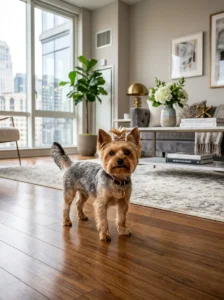
Beyond the ten breeds covered above, Yorkshire Terriers deserve mention as another genuinely popular small breed option for limited space, combining a compact size with a confident, often surprisingly bold terrier temperament. Like several other small breeds covered in this guide, their coat requires significant regular grooming maintenance, and their terrier heritage means a somewhat more independent, occasionally stubborn streak compared to some of the more naturally biddable small breeds covered earlier.
Italian Greyhound: A Small Breed With Unique Considerations
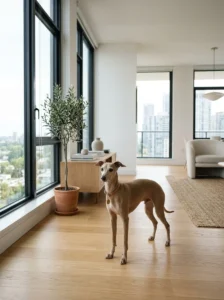
Italian Greyhounds offer a genuinely distinctive option among small breeds — combining a sleek, low-shedding coat with a generally gentle, affectionate temperament, though their delicate, slender build means they’re particularly vulnerable to injury and benefit from extra caution around rough handling or jumping from heights, even more so than some other small breeds covered in this guide.
Small Breed Dental Health: A Particularly Important Consideration
Given the dental crowding mentioned briefly earlier, small breeds as a category benefit from particularly proactive dental care, covered in detail in our dental care guide. Many small breeds are prone to more significant tartar buildup and dental disease progression than larger breeds, given their compact jaw structure and sometimes the genetic predisposition of certain small breed lines toward dental sensitivity, making a consistent dental care routine especially valuable regardless of which specific small breed you choose.
Cost Considerations Specific to Small Breeds

While general lifetime cost considerations are covered in our broader cost guide, it’s worth noting that small breeds often involve somewhat lower food costs given their smaller size, though this can be offset by potentially higher grooming costs for coat-intensive small breeds, and sometimes higher per-unit medication costs relative to their body weight for certain treatments, given how some medications are priced with minimum dosing regardless of a very small dog’s modest weight.
A few quick answers: Are small dogs generally easier to train than large dogs — Not inherently — trainability relates more to individual breed temperament and intelligence than size specifically, meaning some small breeds (like Toy Poodles) are exceptionally trainable while others can be more independently minded despite their compact size.. Do small dogs live longer than large dogs on average — Generally yes — smaller breeds often have longer average lifespans than larger breeds, sometimes reaching 14-16 years or more for some small breeds, compared to shorter average lifespans typical of larger breeds.. Are small dogs better for people with limited mobility — This can be true given generally lower physical exercise demands and easier physical handling, though it’s worth confirming a specific breed’s actual temperament and care needs align with your specific situation rather than assuming all small breeds are equally low-demand.. Can small dogs live happily in apartments without a yard at all — Generally yes, provided their specific exercise needs (which vary by breed, as covered throughout this guide) are met through regular walks and engagement, similar to the broader principles covered in our apartment living guide..
Choosing among small breeds for limited living space genuinely benefits from looking past size alone toward the same temperament, energy, and care considerations that matter for any breed decision. Whichever small breed catches your interest, I’d encourage the same thorough research and honest self-assessment recommended throughout our broader breed selection guide.
For related guidance, our guides on apartment-friendly breeds and low-shedding breeds for allergies are excellent next reads.