
I keep a version of this exact list stuck to the inside of our kitchen cabinet — not because I need to check it constantly anymore, but because it’s the kind of information I want instantly accessible in a moment of panic, not something I have to search for while my hands are shaking. After a genuine scare a few years back, when a guest unknowingly gave Bruno a couple of grapes as a treat, I decided this particular list deserved to be somewhere obvious, all the time.
This guide focuses specifically on the foods that pose the most serious, sometimes life-threatening risk — not the broader “use caution” category, but the genuine emergencies.
I’m an experienced dog owner, not a veterinarian — this reflects current, widely supported veterinary guidance on toxic foods, but if your dog has eaten any of these, contact your vet or an animal poison control hotline immediately rather than relying solely on this guide.
1. Chocolate

Chocolate contains theobromine and caffeine, compounds dogs metabolize far more slowly than humans, leading to toxic buildup. Darker chocolate (baking chocolate, dark chocolate) contains significantly more theobromine than milk chocolate, making it more dangerous in smaller amounts.
Symptoms of chocolate toxicity typically include vomiting, diarrhea, restlessness, increased heart rate, and in severe cases, seizures or worse. Symptoms can appear within a few hours of ingestion.
2. Grapes and Raisins
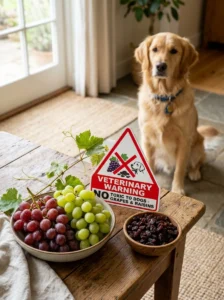
This was our scare. Grapes and raisins can cause acute kidney failure in dogs, and disturbingly, the exact toxic mechanism still isn’t fully understood by researchers — meaning there’s no known “safe” amount, and some dogs react severely to quantities that wouldn’t bother others at all.
Symptoms can include vomiting, lethargy, decreased appetite, and abdominal pain, sometimes not appearing for 24 hours or more after ingestion, which is part of why prompt veterinary attention matters even before symptoms show up. Our dedicated guide to this specific risk covers it in more depth.
3. Onions, Garlic, Chives, and Leeks

The entire allium family can damage a dog’s red blood cells, potentially leading to a dangerous form of anemia. This applies whether the food is raw, cooked, or powdered — including foods seasoned with onion or garlic powder, not just the whole vegetables themselves.
Symptoms often develop gradually and can include weakness, pale gums, elevated heart rate, and lethargy, sometimes appearing several days after ingestion rather than immediately.
4. Xylitol
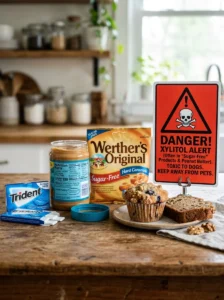
This artificial sweetener, found in many sugar-free gums, some peanut butters, baked goods, and certain medications, causes a rapid and dangerous insulin release in dogs, leading to a severe drop in blood sugar. It can also cause liver failure, even from relatively small amounts.
Symptoms can appear within 30 minutes to an hour and include vomiting, weakness, loss of coordination, and in severe cases, seizures. This is genuinely one of the most time-sensitive risks on this list.
From my experience: Since learning how common xylitol is in seemingly unrelated products, I’ve gotten into the habit of actually checking ingredient labels on peanut butter before buying it for Bruno and Mishi’s treats — it’s become more common in “natural” or sugar-free product lines than I expected.
5. Macadamia Nuts
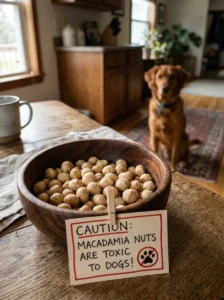
Even small quantities can cause weakness, particularly in the hind legs, along with vomiting, elevated body temperature, and tremors. The exact toxic mechanism isn’t fully understood, similar to grapes, which adds to the uncertainty around what counts as a “safe” small amount.
6. Alcohol

Dogs are far more sensitive to alcohol than humans, given their smaller body size and different metabolism. Even small amounts found in food, unattended drinks, or certain medications can cause significant effects on the central nervous system.
Symptoms include vomiting, loss of coordination, difficulty breathing, and in severe cases, dangerous drops in body temperature and blood sugar.
7. Caffeine

Found in coffee, tea, energy drinks, and some over-the-counter medications, caffeine affects a dog’s nervous and cardiovascular systems significantly.
Symptoms can include restlessness, rapid breathing, elevated heart rate, and in more severe cases, tremors or seizures.
8. Raw Yeast Dough
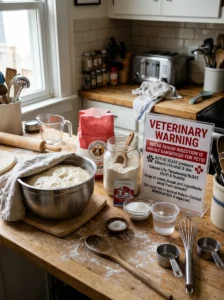
Unbaked dough containing yeast can continue to rise inside a dog’s warm stomach after being eaten, leading to a dangerous bloated stomach. As it ferments, it also produces alcohol, adding alcohol toxicity to the bloat risk simultaneously.
Symptoms include a visibly bloated abdomen, vomiting attempts without success, disorientation, and weakness — this combination should be treated as an emergency.
9. Avocado
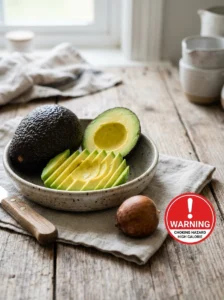
The compound persin found in avocado can cause vomiting and diarrhea in dogs. Separately, and arguably more significantly, the large pit poses a serious choking and intestinal blockage risk regardless of any toxicity concern.
10. Excessive Salt and Salty Foods
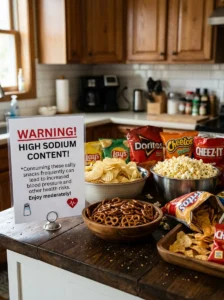
Foods high in salt — certain chips, pretzels, or salty table scraps — can lead to sodium ion poisoning in large enough quantities.
Symptoms include excessive thirst, vomiting, diarrhea, tremors, and in severe cases, more significant neurological symptoms.
Building an Emergency Action Plan

Beyond simply knowing this list, having a plan for what to do if exposure happens matters just as much:
Save the poison control number somewhere accessible — not buried in a contacts list you’d have to search for during a stressful moment.
Note your dog’s weight somewhere easy to find, since dosage-related toxicity assessments often factor in body weight.
Keep packaging when possible. If your dog gets into a product, having the packaging available (to check exact ingredients, like whether something specifically contains xylitol) can speed up the assessment process significantly.
Don’t wait for symptoms if you know ingestion happened. Many of these toxins cause internal damage before obvious symptoms appear, which is exactly why calling immediately, rather than waiting to “see if anything happens,” matters.
Never induce vomiting without specific guidance. Some toxins are more dangerous coming back up than staying down, depending on what was ingested, so this should only be done if a vet or poison control specifically advises it.
Educating Everyone Who Interacts With Your Dog

This was the actual lesson from our grape scare — Bruno wasn’t getting into something on his own; a guest, with completely good intentions, didn’t realize grapes were dangerous and offered a couple as a treat. Since then, I’ve made a point of mentioning this list (briefly, not in an alarming way) to anyone who regularly spends time around our dogs, particularly anyone likely to offer food as a friendly gesture.
How This List Differs From the Broader “Use Caution” Category
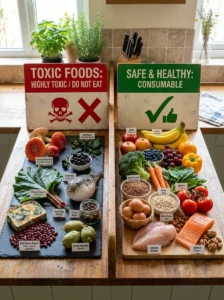
It’s worth distinguishing this specific list from the larger category of foods that need moderation or special preparation but aren’t acutely dangerous. Foods like dairy or citrus might cause mild digestive upset, but they don’t carry the same urgent, potentially life-threatening risk as the ten foods covered here. This distinction matters because it helps calibrate your response — mild digestive upset from a tolerance issue warrants monitoring, while exposure to any food on this specific list warrants immediate action regardless of how your dog appears to be doing in the moment.
Why Some Toxic Foods Are More Commonly Encountered Than Others
Certain items on this list show up in households more frequently than others, which is worth factoring into how much active vigilance each deserves. Chocolate, given how common it is in most homes, particularly around holidays, probably deserves the most consistent day-to-day awareness. Xylitol, given how it’s increasingly appearing in products marketed as healthier alternatives, deserves growing vigilance specifically because its presence isn’t always obvious or expected. Grapes and raisins, while perhaps less constantly present than chocolate, carry such severe and unpredictable risk that they deserve the same level of consistent caution despite appearing less frequently in daily household life.
Building Awareness Without Becoming Anxious

I want to be honest about something: learning this list thoroughly could understandably make a new owner feel anxious about every single moment around food. What’s helped me strike a better balance is treating this as background knowledge that informs reasonable precautions — securing dangerous items, briefly educating people who interact with my dogs, double-checking labels on new products — rather than a source of constant worry during every meal or snack time. Genuine awareness, applied calmly and consistently, protects your dog far more effectively than anxious hypervigilance that’s hard to sustain long-term.
A Note on Pet-Safe Alternatives for Holidays and Gatherings

Since several items on this list become more accessible during holidays and gatherings specifically, it’s worth thinking proactively about pet-safe alternatives you can offer during these higher-risk periods. Having a few dog-safe treats on hand (covered in our safe foods guide) means you can politely redirect a well-meaning guest’s offer of something risky toward something that’s actually appropriate, rather than relying purely on hoping nobody offers anything dangerous during a busy, distracting gathering.
How Body Size Affects Risk Level
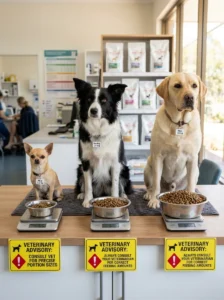
It’s worth understanding that toxicity risk generally scales with a dog’s body size relative to the amount consumed, which is part of why smaller dogs often face more severe consequences from the same quantity of a toxic food compared to larger dogs. This doesn’t mean larger dogs are somehow “safe” from these risks — several items on this list, particularly grapes, raisins, and xylitol, have caused severe reactions in dogs of all sizes, including quite large ones, which is part of what makes them so unpredictable and worth treating with the same seriousness regardless of your specific dog’s size.
What Emergency Vet Visits for Toxic Ingestion Typically Involve
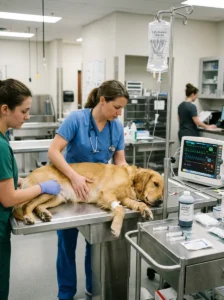
Understanding roughly what to expect can make an already stressful situation feel slightly more manageable. Depending on the specific toxin and timing, your vet may induce vomiting (if appropriate for the situation and timing), administer activated charcoal to help bind remaining toxin in the digestive system, run bloodwork to assess organ function, particularly relevant for grape/raisin exposure given the kidney risk, and provide supportive care like IV fluids, especially for situations affecting organ function. Knowing this general process in advance has made me feel less daunted by the idea of an emergency visit, since it’s not an unknown black box but a fairly structured, evidence-based response to a specific situation.
A Few Quick Answers

Symptom timing varies significantly by toxin — xylitol can cause symptoms within 30 minutes, while grape/raisin toxicity sometimes doesn’t appear for 24 hours or more, which is part of why prompt action matters even before symptoms show up. For several of these foods (grapes, macadamia nuts), no truly “safe” minimum amount has been established, since individual dogs can react differently — the safest approach is avoiding them entirely. If you’re not sure how much your dog actually ate, provide your best estimate and any available context (like an empty container or wrapper) rather than withholding the call because you’re unsure of the exact amount. And this list focuses specifically on the most severe, time-sensitive risks — our broader safe and unsafe foods guide covers the fuller picture including foods needing caution rather than outright avoidance, alongside plenty of genuinely safe options your dog can enjoy without concern.
That grape incident with Bruno turned out fine, but it was a genuine reminder that good intentions from well-meaning people aren’t a substitute for actually knowing this list. Keeping this information visible and accessible, both for yourself and anyone else who spends time with your dog, is one of the simplest, most effective things you can do to prevent a genuine emergency.
For a broader picture of safe and unsafe foods, our guides on what dogs can eat and dog allergies are worth reading next.